America’s Waning Consensus — The Iran War and the Fracturing of Global Alignment
In
Login if you are already registered
(votes: 2, rating: 5) |
(2 votes) |

Prof. Engr., Founding Chair GSRRA, Sinologist, Diplomat, Editor, Analyst, Advisor, Consultant to Global South Economic and Trade Cooperation Research Center, and Non-Resident Fellow of CCG, Islamabad, Pakistan
In the evolving landscape of international politics, moments arise that redefine power, credibility, and alliances. The recent confrontation involving the United States, Iran, and Israel appears to be one such moment. Far from consolidating American leadership, the conflict has exposed deep fractures in Washington’s global partnerships, raising critical questions about the sustainability of its strategic dominance.
At the center of this unfolding crisis stands Donald Trump, whose decision to escalate tensions with Iran—reportedly during a sensitive phase of diplomatic engagement—has drawn skepticism not only from adversaries but also from traditional allies. The narrative emerging from global reactions suggests not a united coalition, but a hesitant, fragmented international community unwilling to fully endorse the rationale for war.
In the evolving landscape of international politics, moments arise that redefine power, credibility, and alliances. The recent confrontation involving the United States, Iran, and Israel appears to be one such moment. Far from consolidating American leadership, the conflict has exposed deep fractures in Washington’s global partnerships, raising critical questions about the sustainability of its strategic dominance.
At the center of this unfolding crisis stands Donald Trump, whose decision to escalate tensions with Iran—reportedly during a sensitive phase of diplomatic engagement—has drawn skepticism not only from adversaries but also from traditional allies. The narrative emerging from global reactions suggests not a united coalition, but a hesitant, fragmented international community unwilling to fully endorse the rationale for war.
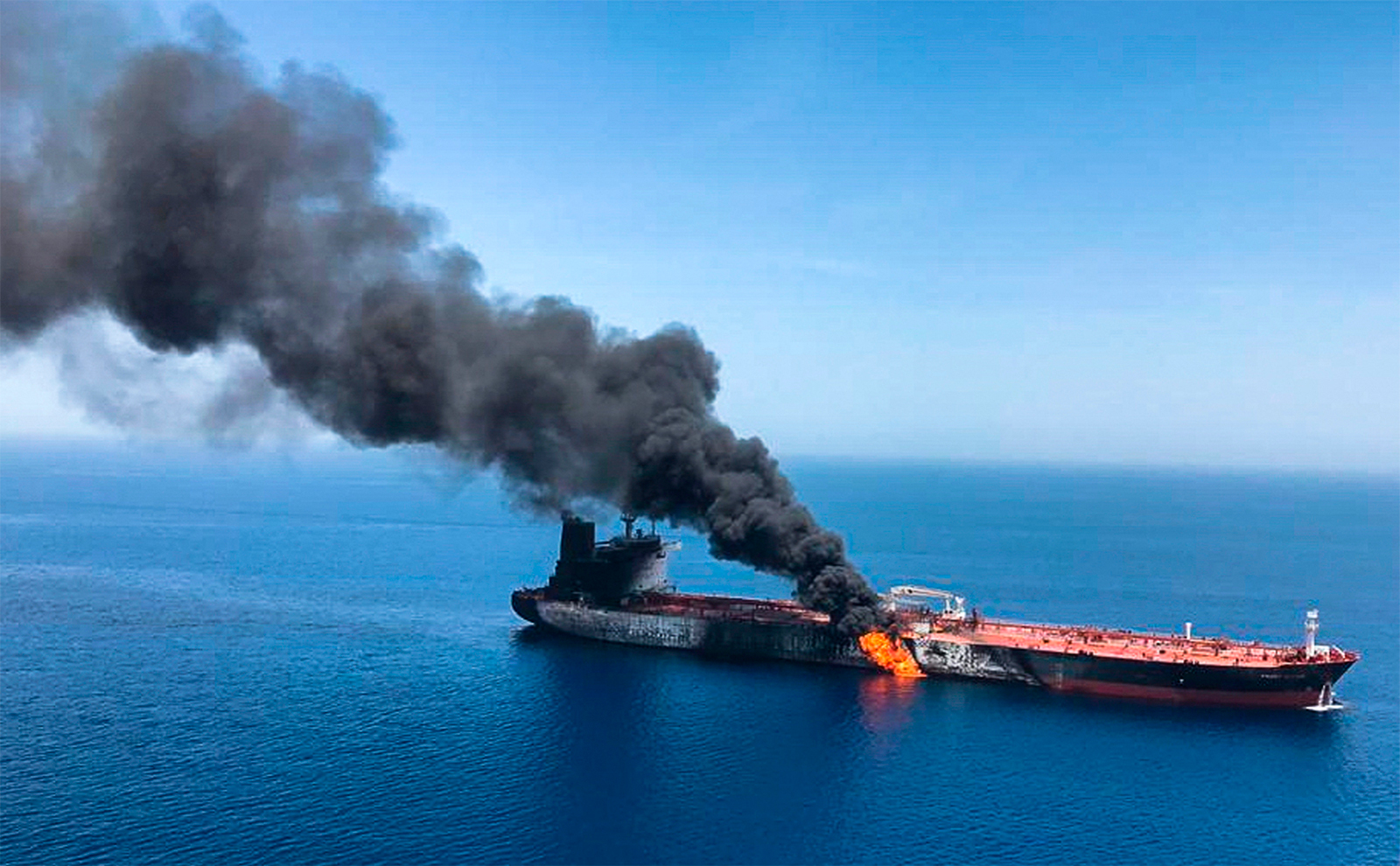
Attack on Iran: A Balance of Results
A War Without a Coalition
Unlike previous American military campaigns—such as the 1991 Gulf War or even the early stages of the Iraq War—the current confrontation with Iran lacks a broad-based international coalition. Major European powers, including France, Germany, and Italy, have refrained from offering unequivocal support. Instead, their leaders have emphasized restraint, de-escalation, and the revival of diplomatic channels.
Even the European Union, historically aligned with Washington on security matters, has issued carefully worded statements urging “all parties” to avoid escalation—language that reflects neutrality rather than endorsement. The NATO bloc, often seen as the backbone of Western military cooperation, has similarly avoided collective military involvement.
In Asia, key American partners such as Japan and South Korea have expressed concern over regional instability and energy security, but stopped short of supporting military action. Their cautious stance underscores the economic risks associated with conflict in the Gulf, a region critical to global energy supplies.
Perhaps more striking is the response from the Global South. Countries like India, Brazil, and South Africa have maintained strategic neutrality, calling for dialogue rather than confrontation. This reflects a broader shift in global politics, where emerging powers increasingly prioritize sovereignty and multilateralism over alignment with any single hegemon.
Voices of Dissent: Global Leaders Speak
A survey of global leaders’ reactions reveals a consistent pattern: skepticism toward the war’s timing, rationale, and potential consequences.
Leaders in Turkey have openly criticized the escalation, framing it as destabilizing for the broader Middle East.
Officials in Pakistan have emphasized the need for diplomacy and warned against actions that could trigger wider regional conflict.
China has called for restraint and reiterated its support for negotiated solutions, positioning itself as a stabilizing force in global affairs.
Vladimir Putin has criticized unilateral military actions, advocating instead for adherence to international law.
Even within the United States, divisions have surfaced. Reports of internal disagreements among advisors—such as concerns allegedly raised by figures like Dan Caine—point to a lack of consensus within the administration itself. Public opinion, too, appears divided, with segments of American society questioning the necessity and costs of another prolonged conflict.
The Netanyahu Factor and Strategic Calculations
The role of Benjamin Netanyahu in shaping the trajectory of the conflict cannot be overlooked. Israel’s security concerns regarding Iran are longstanding, rooted in geopolitical rivalry and ideological differences. However, the perception that Washington’s actions were influenced—if not driven—by Israeli priorities has complicated the narrative.
Critics argue that this dynamic has undermined the legitimacy of the U.S. position, particularly in the eyes of neutral or non-aligned states. The timing of the military action, reportedly coinciding with ongoing diplomatic engagements, has further fueled speculation about strategic motivations.
While claims regarding leverage or “blackmail” remain unverified and should be treated with caution, the broader issue is clear: the perception of external influence on U.S. decision-making has weakened its credibility.
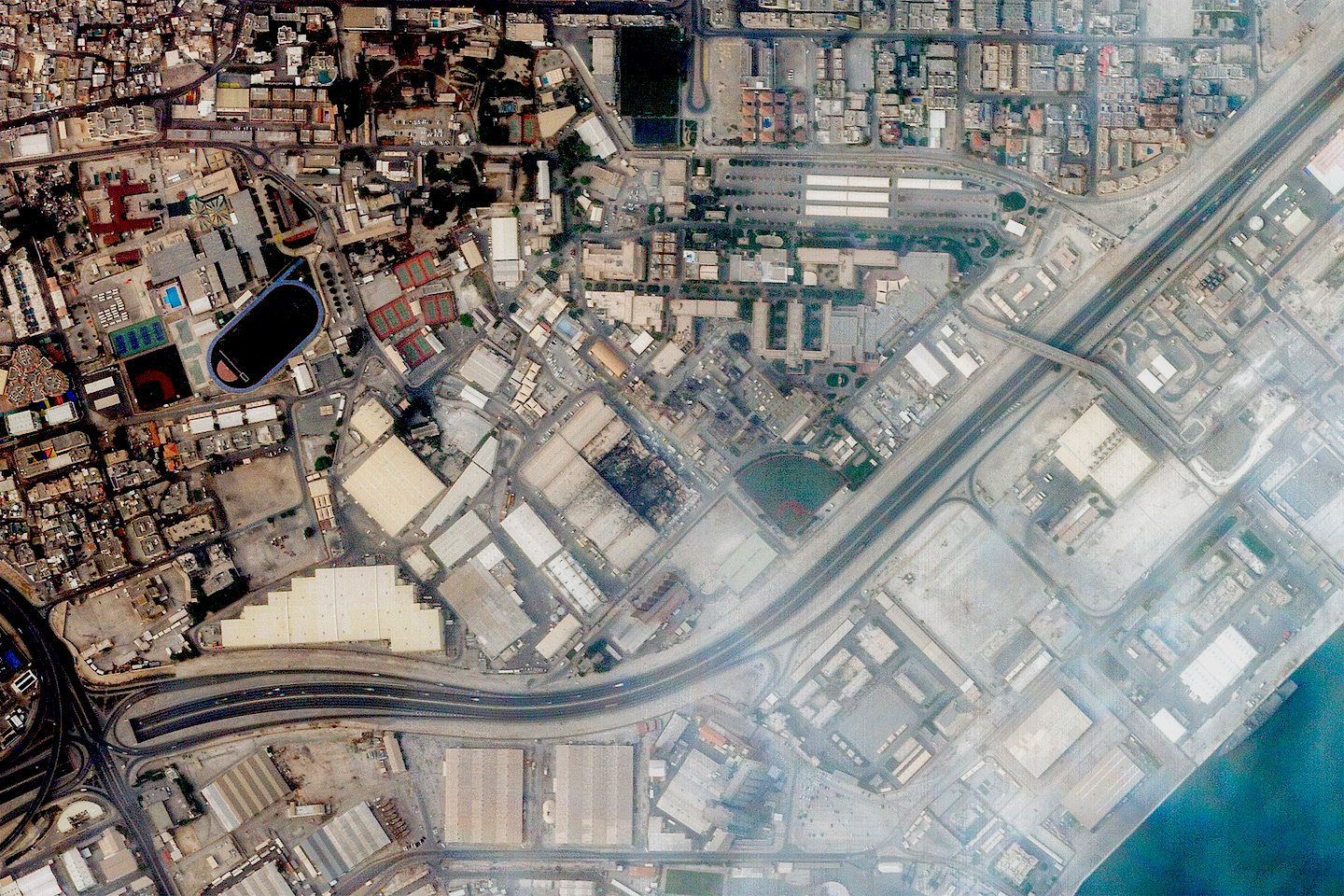
Iran War: Strategic Defeat for Israel and America
Why the World Is Hesitant
The reluctance of countries to support the U.S. in this conflict stems from several interrelated factors:
1. Lack of Clear Justification
Many governments remain unconvinced by the rationale for war. Without a widely accepted casus belli, support becomes politically and diplomatically costly.
2. Fear of Regional Escalation
The Middle East is already a volatile region. A full-scale conflict involving Iran risks drawing in multiple actors, including non-state groups, potentially leading to a wider wars.
3. Economic Considerations
Global economies are deeply interconnected. Disruptions in the Gulf can impact oil prices, trade routes, and financial markets, making stability a shared priority.
4. Changing Global Power Dynamics
The rise of multipolarity—driven by countries like China and Russia—has reduced the willingness of states to align automatically with U.S. policies. Strategic autonomy is increasingly valued.
5. War Fatigue
After decades of conflict in Afghanistan and Iraq, there is a global—and domestic—aversion to prolonged military engagements with uncertain outcomes.
Iran’s Strategic Posture and Resilience
Despite facing one of the world’s most powerful military coalitions, Iran has demonstrated notable resilience. Its ability to sustain operations, adapt to evolving scenario, and project deterrence has surprised many observers.
Iran’s defense strategy—built on asymmetric warfare, regional alliances, and indigenous capabilities—has enabled it to withstand pressure while maintaining operational momentum. Its network of partnerships across the region adds depth to its strategic position.
Moreover, Iran’s narrative of resistance resonates with segments of the international community, particularly in the Global South, where historical experiences with external intervention shape perceptions.
The Limits of Military Power
The conflict has also highlighted the limitations of conventional military superiority. Advanced technology and large defense budgets do not guarantee decisive outcomes, especially against a determined and strategically adaptive adversary.
Reports of strain on defense systems and logistical challenges underscore the complexities of modern warfare. The notion that depends on military power alone can dictate outcomes is increasingly being questioned.

Potential Scenarios of Iran’s Conflict with the US and Israel Post-Khamenei
Toward a Face-Saving Exit?
As the conflict evolves, attention is turning toward pathways for de-escalation. Countries such as Egypt, Turkey, and Pakistan are reportedly playing facilitative roles, seeking to create space for dialogue.
For President Trump, the challenge lies in balancing domestic political considerations with international credibility. A negotiated settlement—while potentially perceived as a compromise—may offer the most viable path forward.
Iran, for its part, appears to be negotiating from a position of confidence, seeking terms that reflect its strategic gains. Whether these terms are accepted remains to be seen, but the dynamics suggest a shift in bargaining power.
A Turning Point in Global Order?
The broader implications of this conflict extend beyond the immediate results. If current trends continue, the United States may find its influence increasingly contested, creating opportunities for other powers to expand their roles in global governance.
China’s emphasis on development and diplomacy, alongside Russia’s strategic assertiveness, points to an emerging multipolar order. In this context, the ability to build consensus—not just project power—will define leadership.
Conclusion
The Iran conflict has become more than a regional confrontation; it is a test of global alignment, credibility, and future of international relations. The apparent reluctance of allies to support the United States reflects deeper shifts in how power is perceived and exercised.
For Washington, the lesson may be clear: in an interconnected and multipolar world, unilateral actions carry significant risks. For Iran, the moment underscores the potential of resilience and strategic depth.
Ultimately, the path forward lies not in escalation, but in engagement. The world is watching—not just the outcome of the conflict, but the choices that shape it.
(votes: 2, rating: 5) |
(2 votes) |
From the Vietnam War to the Iraq War, history repeatedly demonstrates that technologically superior militaries can struggle to secure durable political settlements
Attack on Iran: A Balance of ResultsMajor players are less sensitive to crises; asymmetry of potential is hardly an obstacle to resistance; a lack of allies is a problem; but being a junior partner can lead to being held hostage to a major player’s game
Potential Scenarios of Iran’s Conflict with the US and Israel Post-KhameneiEven if Israel and the Trump administration entered the battle against Iran together, there is probably a difference in their perspectives on the goals of the current conflict