Pakistan and Russia: A Renewed Resolve Against Terrorism and for Regional Stability
In
Login if you are already registered
(no votes) |
(0 votes) |

Prof. Engr., Founding Chair GSRRA, Sinologist, Diplomat, Editor, Analyst, Advisor, Consultant to Global South Economic and Trade Cooperation Research Center, and Non-Resident Fellow of CCG, Islamabad, Pakistan
The tragic suicide bombing in Islamabad in February 2026 was yet another painful reminder that terrorism remains a persistent threat to peace and stability in South Asia. The attack, widely condemned as barbaric and inhumane, not only targeted innocent lives but also sought to undermine Pakistan’s hard-earned gains against extremism. In the immediate aftermath, messages of solidarity poured in from across the world. Among the most significant was the strong and unequivocal condemnation by Russian President Vladimir Putin, who reaffirmed Moscow’s readiness to step up cooperation with Pakistan in countering terrorism.
This gesture was not simply symbolic. It reflected a steadily deepening partnership between Pakistan and Russia—two countries whose relations have evolved remarkably over the past two decades, moving from cautious engagement to pragmatic cooperation grounded in shared interests, particularly in regional security.
The trajectory of Pakistan-Russia relations suggests continued expansion in security cooperation, economic engagement, and diplomatic coordination. Counter-terrorism will remain central, but it will likely be complemented by collaboration in energy, trade, and regional connectivity.
In a world marked by shifting alliances and emerging challenges, principled partnerships rooted in shared security concerns carry particular value. Russia’s reaffirmed commitment to stand with Pakistan against terrorism is both timely and strategically significant.
The Islamabad attack was intended to spread fear and division. Instead, it has reinforced solidarity and cooperation. As Pakistan and Russia deepen their counter-terrorism partnership, they send a clear message: violence will not prevail, and those who sponsor, finance, or facilitate terrorism will face collective resistance.
The road ahead requires vigilance, coordination, and sustained political will. But with strengthened bilateral ties and broad international support—including the unequivocal condemnation from the UN Security Council—Pakistan’s resolve stands firm.
Terrorism has inflicted immense pain and economic loss on Pakistan. Yet it has not broken its spirit. With partners like Russia reaffirming their commitment to joint action, the prospects for enhanced regional stability and durable peace become stronger. In this shared struggle, solidarity is not merely diplomatic courtesy—it is a strategic necessity.
The tragic suicide bombing in Islamabad in February 2026 was yet another painful reminder that terrorism remains a persistent threat to peace and stability in South Asia. The attack, widely condemned as barbaric and inhumane, not only targeted innocent lives but also sought to undermine Pakistan’s hard-earned gains against extremism. In the immediate aftermath, messages of solidarity poured in from across the world. Among the most significant was the strong and unequivocal condemnation by Russian President Vladimir Putin, who reaffirmed Moscow’s readiness to step up cooperation with Pakistan in countering terrorism.
This gesture was not simply symbolic. It reflected a steadily deepening partnership between Pakistan and Russia—two countries whose relations have evolved remarkably over the past two decades, moving from cautious engagement to pragmatic cooperation grounded in shared interests, particularly in regional security.
Pakistan: A Frontline Victim of Terrorism

Russia-Pakistan Strengthening Ties Against Terrorism
Pakistan’s experience with terrorism is both long and painful. For over two decades, the country has been at the frontline of the global fight against violent extremism. Since the early 2000s, thousands of terrorist incidents have claimed the lives of more than 80,000 Pakistanis, including civilians, armed forces personnel, and law enforcement officials. The economic cost has been staggering—estimated at well over $150 billion in direct and indirect losses.
Major cities, markets, mosques, educational institutions, and security installations have been targeted. From the Army Public School tragedy in Peshawar to repeated attacks on police, intelligence agencies, and minority communities, the toll has been immense. These attacks were not isolated incidents but part of a sustained campaign by extremist networks, including Tehreek-e-Taliban Pakistan (TTP) and affiliates of ISIS-K, often operating with external facilitation and cross-border sanctuaries.
Despite these immense sacrifices, Pakistan has demonstrated resilience. Through comprehensive operations such as Zarb-e-Azb and Radd-ul-Fasaad, the country dismantled terrorist infrastructure, reclaimed lost territories, and restored relative stability. However, the evolving regional security landscape—particularly developments in neighboring Afghanistan—has created new challenges, necessitating continued vigilance and international cooperation.
Global Solidarity and UNSC Condemnation
The February 2026 attack in Islamabad was met with strong global condemnation. Leaders from across Asia, Europe, the Middle East, and beyond expressed condolences and solidarity with the Pakistani people. The United Nations Security Council (UNSC) also issued a statement condemning the terrorist attack in the strongest terms, reaffirming that terrorism in all its forms and manifestations constitutes one of the most serious threats to international peace and security.
The UNSC reiterated the need to hold perpetrators, organizers, financiers, and sponsors of terrorism accountable. Such statements carry diplomatic weight and signal collective recognition that Pakistan’s struggle is not an isolated national issue but part of a broader international fight against extremism.
Russia’s response stood out not only because of its clarity but also because of the context of growing bilateral engagement. President Putin’s message to Pakistani leadership described the attack as a “barbaric” act and underscored Russia’s readiness to intensify counter-terrorism cooperation. This expression of solidarity resonated deeply at a time when Pakistan was mourning yet another national tragedy.
Foreign-Sponsored and Cross-Border Terrorism
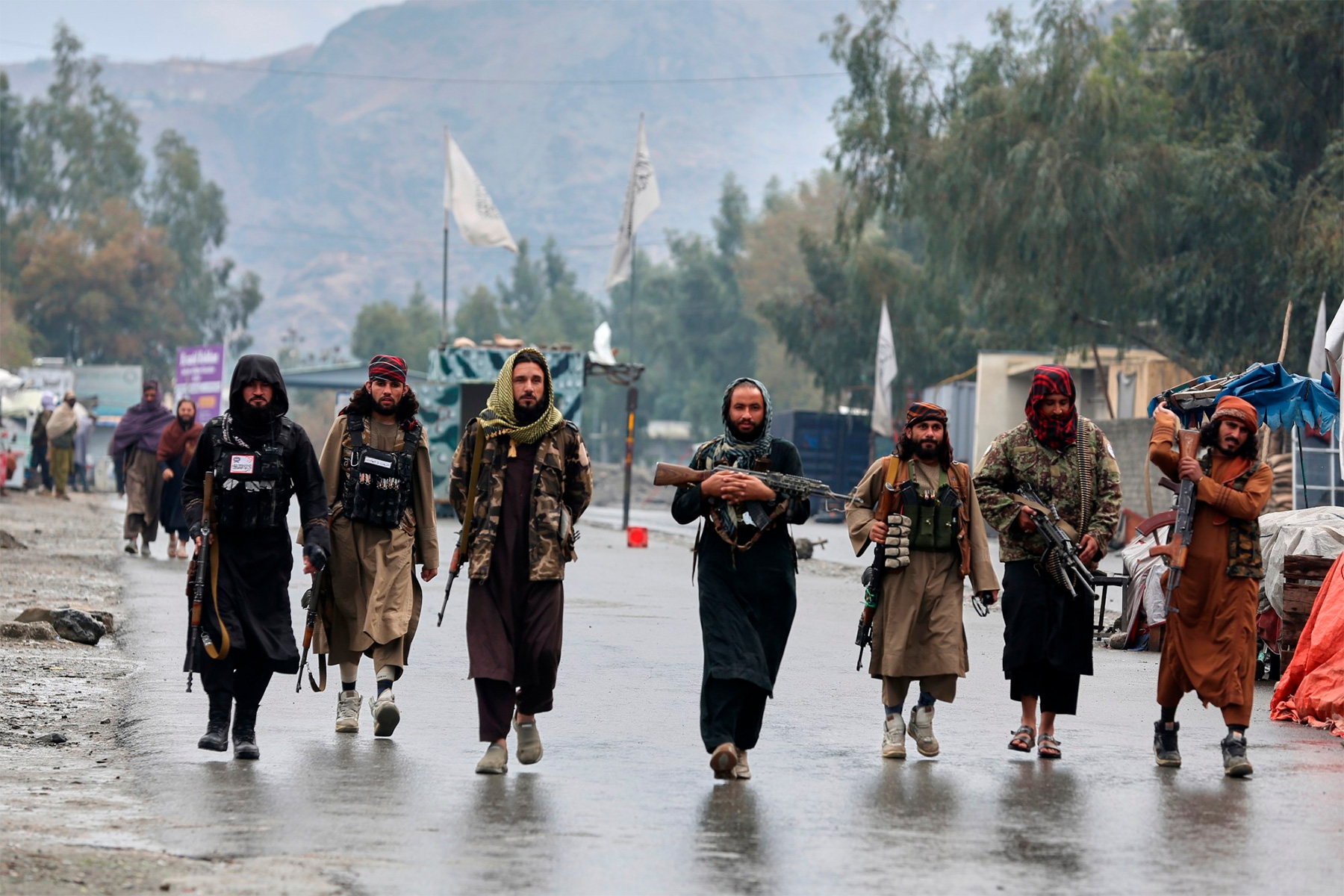
Why Pakistan’s Foreign Policy to Afghanistan Backfired
Pakistan has consistently maintained that many terrorist networks targeting its territory operate with foreign support, safe havens, and facilitation. Cross-border terrorism remains a serious concern, particularly in the context of porous frontiers and regional instability. External interference in Pakistan’s internal affairs not only undermines its sovereignty but also destabilizes the broader region.
The persistence of extremist elements across borders highlights the urgent need for coordinated regional responses. No single country can address transnational terrorism alone. Intelligence-sharing, border management, financial tracking of terror networks, and dismantling ideological support structures require collective resolve.
In this context, Pakistan’s call for greater international cooperation is neither rhetorical nor political—it is grounded in hard-earned experience. Countries that have suffered from terrorism understand that complacency is not an option. Russia, having faced its own challenges with extremism, particularly in the North Caucasus and in the fight against international terrorist organizations, appreciates the gravity of this threat.
Evolution of Pakistan-Russia Relations
Pakistan-Russia relations have undergone a significant transformation in recent years. Once constrained by Cold War alignments, the relationship has matured into a pragmatic partnership based on mutual respect and converging strategic interests.
High-level exchanges, defense cooperation, energy collaboration, and regional diplomacy have strengthened ties. Russia’s support for Pakistan’s inclusion in regional frameworks and its growing engagement in South Asian affairs signal a broader realignment driven by shared security concerns and economic opportunities.
The defense and security dimension has become particularly prominent. The “Druzhba” (Friendship) series of joint military exercises, launched in 2016, symbolizes this new phase. Focused primarily on counter-terrorism operations, these exercises enhance interoperability between the armed forces of both countries, improve tactical coordination, and build mutual trust. The latest iterations, including those held in late 2025, reaffirm a sustained commitment rather than episodic engagement.
Counter-Terrorism Cooperation: Substance and Significance
Russia’s recent reaffirmation of cooperation following the Islamabad attack underscores the institutionalization of counter-terrorism collaboration. According to official statements from the Russian embassy and foreign ministry, cooperation encompasses intelligence-sharing, joint training, and coordinated approaches to emerging threats.
Ambassador Albert Khorev has emphasized that combating international terrorism and enhancing regional security remain top priorities in Pakistan-Russia relations. This long-term strategic outlook is significant. It signals that both countries view counter-terrorism not as a transactional engagement but as a structural pillar of bilateral ties.
For Pakistan, deeper cooperation with Russia offers multiple advantages. First, it diversifies security partnerships in an increasingly complex geopolitical environment. Second, it facilitates the exchange of operational experience in counter-insurgency and urban counter-terrorism. Third, it reinforces Pakistan’s message that its fight against extremism is supported by responsible global actors.
For Russia, engagement with Pakistan contributes to broader regional stability. South Asia’s security dynamics are closely linked with Central Asia and the wider Eurasian region—areas of strategic interest to Moscow. The threat posed by ISIS-K and other transnational groups has implications that extend far beyond national borders.
Regional Stability and Shared Responsibility
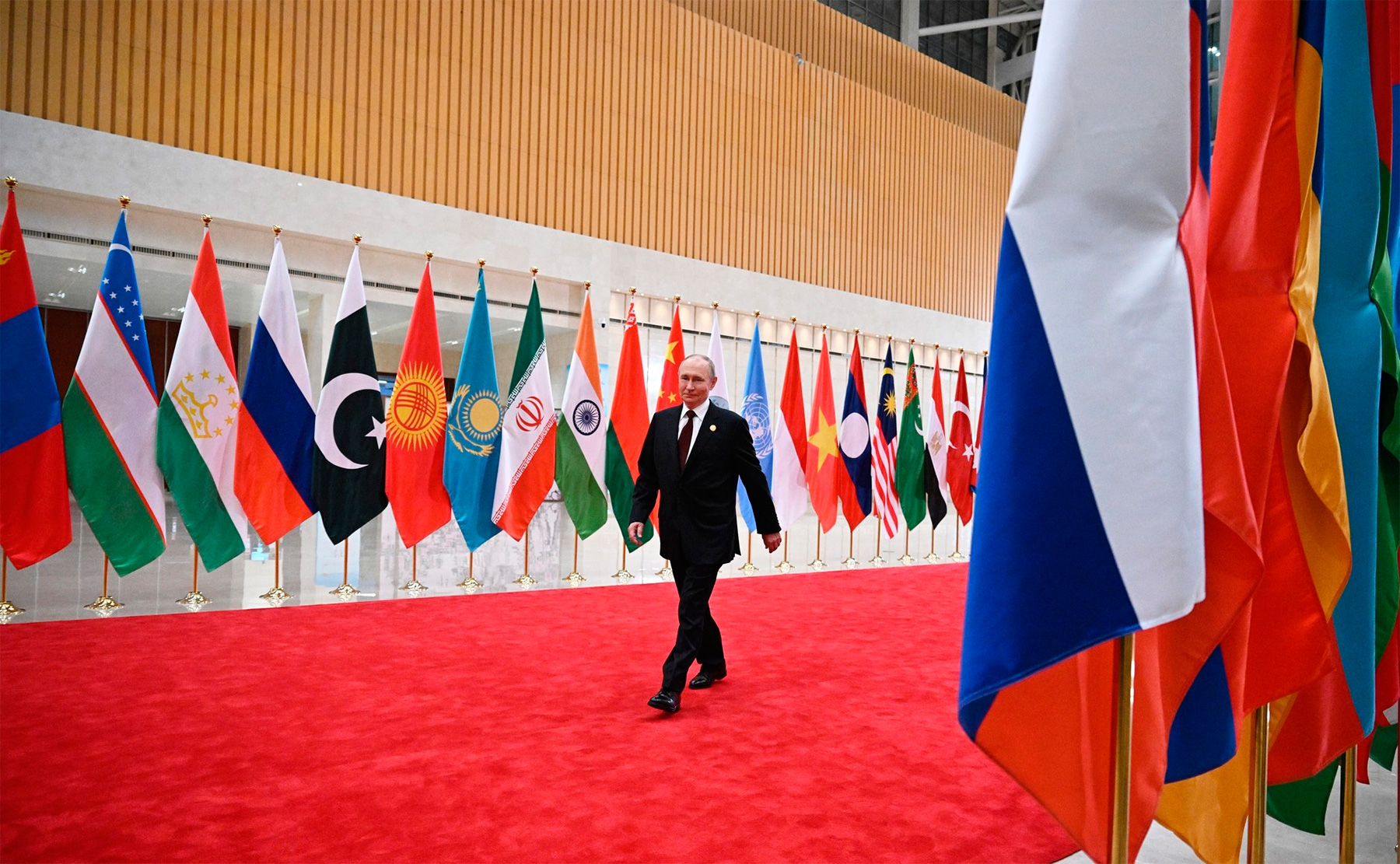
The convergence of interests between Islamabad and Moscow is rooted in a shared understanding that terrorism is a transnational threat requiring coordinated action. The instability in Afghanistan, the mobility of extremist fighters, and the digital radicalization of youth demand comprehensive strategies.
Joint military exercises such as Druzhba strengthen operational readiness. Intelligence cooperation enhances early warning capabilities. Diplomatic coordination in multilateral forums amplifies collective efforts against extremist ideologies and financial networks.
Importantly, such cooperation does not target any third country. Rather, it seeks to create a stable regional environment conducive to economic development and connectivity. As Pakistan advances infrastructure projects, trade corridors, and regional integration initiatives, security becomes an indispensable prerequisite.
Pakistan’s Resilience and Determination
While Pakistan continues to mourn the victims of terrorism, it also reaffirms its determination to defeat those who seek to destabilize it. The resilience of its people, the professionalism of its armed forces, and the support of international partners have collectively strengthened its counter-terrorism architecture.
The February 2026 attack, tragic as it was, has once again united the nation and galvanized international solidarity. Russia’s strong condemnation and pledge to enhance cooperation add a meaningful dimension to this collective response.
Pakistan does not seek sympathy alone; it seeks partnership based on mutual respect and shared objectives. The fight against terrorism is not a favor to one country but a shared obligation to humanity.
Looking Ahead: A Partnership for Peace
The trajectory of Pakistan-Russia relations suggests continued expansion in security cooperation, economic engagement, and diplomatic coordination. Counter-terrorism will remain central, but it will likely be complemented by collaboration in energy, trade, and regional connectivity.
In a world marked by shifting alliances and emerging challenges, principled partnerships rooted in shared security concerns carry particular value. Russia’s reaffirmed commitment to stand with Pakistan against terrorism is both timely and strategically significant.
The Islamabad attack was intended to spread fear and division. Instead, it has reinforced solidarity and cooperation. As Pakistan and Russia deepen their counter-terrorism partnership, they send a clear message: violence will not prevail, and those who sponsor, finance, or facilitate terrorism will face collective resistance.
The road ahead requires vigilance, coordination, and sustained political will. But with strengthened bilateral ties and broad international support—including the unequivocal condemnation from the UN Security Council—Pakistan’s resolve stands firm.
Terrorism has inflicted immense pain and economic loss on Pakistan. Yet it has not broken its spirit. With partners like Russia reaffirming their commitment to joint action, the prospects for enhanced regional stability and durable peace become stronger. In this shared struggle, solidarity is not merely diplomatic courtesy—it is a strategic necessity.
(no votes) |
(0 votes) |
In a significant development reflecting their commitment to countering terrorism, Pakistan and Russia have commenced the Druzhba VII military exercise
Why Pakistan’s Foreign Policy to Afghanistan BackfiredThe current challenge Pakistan faces is dangerous and surrounded by concerns and risks
Eurasian Security Architecture: Origins, Core Principles, and Prospects for EvolutionValdai Discussion Club Report