
Sanctions on Russia: Counterproductive Measures that Harm the World
(votes: 2, rating: 5) |
(2 votes) |

Prof. Engr., Founding Chair GSRRA, Sinologist, Diplomat, Editor, Analyst, Advisor, Consultant to Global South Economic and Trade Cooperation Research Center, and Non-Resident Fellow of CCG, Islamabad, Pakistan
The recent US sanctions, aimed at pressuring Russia by restricting the operations of Rosneft and Lukoil, may seem potent on paper. Yet history shows that sanctions rarely achieve their intended political objectives. Over the decades, sanctions have often been applied to political adversaries under the guise of enforcing international norms, but their actual outcomes frequently diverge from expectations.
Russia has robust mechanisms to mitigate economic shocks and can redirect energy exports to alternative markets, particularly in Asia, including China and India. The Russian economy, while facing external pressures, has demonstrated resilience through careful fiscal management, energy diplomacy, and diversification strategies. Meanwhile, the countries imposing sanctions—and those heavily dependent on Russian energy—may bear disproportionate costs. Europe, for instance, relies on Russia for a significant portion of its natural gas and oil needs. Disruptions caused by sanctions could exacerbate energy shortages, increase prices, and undermine industrial and domestic stability across the continent.
The broader implications of sanctions extend beyond economics. They distort international trade, reduce energy security, and create global market volatility. Unilateral sanctions are particularly problematic because they bypass established multilateral frameworks designed to mediate disputes fairly and peacefully. The United Nations Charter, for instance, explicitly emphasizes the resolution of international disputes through dialogue, negotiations, and consensus-based mechanisms. Circumventing these principles undermines international law and sets a dangerous precedent where a single nation or a small group of countries claims the authority to impose economic coercion on others.
The world is entering a critical phase where the legitimacy of sanctions, the integrity of international law, and the resilience of global energy systems are under scrutiny. The recent moves by the United States are not just an economic maneuver; they are a test of whether unilateral power can dictate global norms or whether collective diplomacy, fairness, and rational negotiation will prevail. Countries like Russia, China, and Iran have rightly emphasized the need to resist unfair sanctions, protect national sovereignty, and ensure that economic tools serve stability rather than coercion.
The recent imposition of sanctions by the United States on two of Russia’s major oil companies has once again highlighted the counterproductive nature of unilateral economic restrictions. The targeted firms—Rosneft and Lukoil—are cornerstones of the Russian energy sector, not only underpinning the country’s economy but also playing a vital role in the stability of the global energy market.
Rosneft is Russia’s largest oil producer and a major global player in the energy industry. The company operates across the entire oil and gas value chain, from exploration and production to refining and sales. Rosneft’s daily production capacity exceeds 4.5 million barrels per day, contributing significantly to global oil supplies. Its export network extends across Europe, Asia, and the Middle East, making it a central player in international energy markets. In terms of global market share, Rosneft ranks among the top five oil producers worldwide, generating annual revenues that form a substantial portion of Russia’s federal budget. This revenue not only supports public spending and social programs in Russia but also underpins the country’s economic resilience.
Lukoil, Russia’s second-largest oil company, also wields considerable influence over the energy landscape. With a production capacity of roughly 2 million barrels per day and a strong presence in over 30 countries, Lukoil is a major exporter and a trusted supplier to European and Asian markets. Its operations contribute significantly to Russia’s GDP, energy security, and employment. Both companies are strategically important, representing the backbone of Russian economic stability. Any attempt to destabilize them is not only an economic maneuver but also a direct challenge to the broader energy markets worldwide.
The recent US sanctions, aimed at pressuring Russia by restricting the operations of Rosneft and Lukoil, may seem potent on paper. Yet history shows that sanctions rarely achieve their intended political objectives. Over the decades, sanctions have often been applied to political adversaries under the guise of enforcing international norms, but their actual outcomes frequently diverge from expectations.
Consider North Korea, for example. Despite decades of US-led sanctions intended to curb its nuclear ambitions, Pyongyang has steadily advanced its nuclear and missile programs. Similarly, sanctions imposed on Iran over its nuclear program did not halt progress for many years; only through negotiations, such as the Joint Comprehensive Plan of Action (JCPOA), was meaningful progress achieved. Other examples of similar outcomes are endless: Cuba has faced a US embargo since the early 1960s, yet the regime remains intact, impacting ordinary Cubans far more than the political elite. Venezuela, another case, has endured extensive sanctions, yet the government has maintained control and continues to export oil to willing markets. These examples illustrate a consistent pattern: sanctions often fail to compel compliance and instead punish populations, destabilize global markets, and provoke geopolitical tensions.
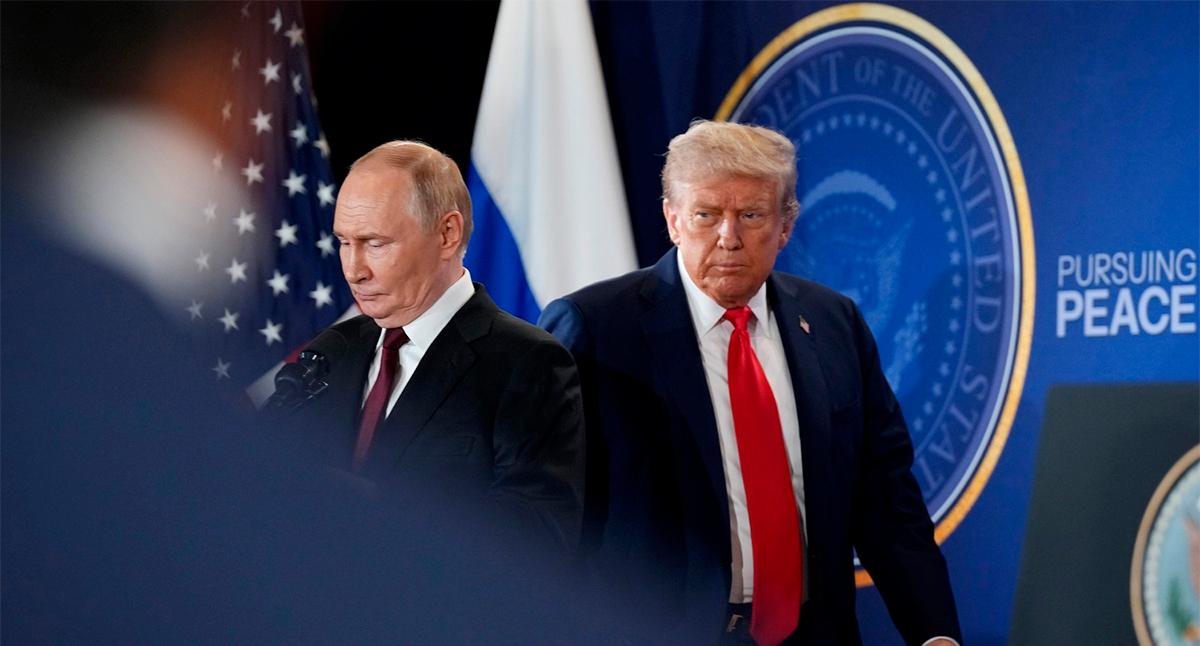
New Sanctions as a Political Signal
In the context of Russia, it is reasonable to expect that the recent US sanctions may similarly fail to achieve their intended goals. Russia has robust mechanisms to mitigate economic shocks and can redirect energy exports to alternative markets, particularly in Asia, including China and India. The Russian economy, while facing external pressures, has demonstrated resilience through careful fiscal management, energy diplomacy, and diversification strategies. Meanwhile, the countries imposing sanctions—and those heavily dependent on Russian energy—may bear disproportionate costs. Europe, for instance, relies on Russia for a significant portion of its natural gas and oil needs. Disruptions caused by sanctions could exacerbate energy shortages, increase prices, and undermine industrial and domestic stability across the continent.
The broader implications of sanctions extend beyond economics. They distort international trade, reduce energy security, and create global market volatility. Unilateral sanctions are particularly problematic because they bypass established multilateral frameworks designed to mediate disputes fairly and peacefully. The United Nations Charter, for instance, explicitly emphasizes the resolution of international disputes through dialogue, negotiations, and consensus-based mechanisms. Circumventing these principles undermines international law and sets a dangerous precedent where a single nation or a small group of countries claims the authority to impose economic coercion on others.
Recent statements from Iran have underscored the growing concern about unilateral sanctions. Iran has called on Russia, China, and other nations to counter practices that impose one-sided economic restrictions, highlighting the need for a more equitable international order. The argument is compelling: if global stability and fairness are to be preserved, sanctions must not be wielded as instruments of political leverage by individual powers. Instead, they should be discussed in the UN Security Council and applied only through collective agreement. Such an approach would ensure legitimacy, proportionality, and global acceptance.
The issue also resonates when considering other ongoing international crises. In Gaza, for example, reports of grave humanitarian violations, including acts that many observers describe as war crimes and genocide, have triggered calls for accountability. If sanctions are to serve a principled purpose, they should be applied universally, not selectively. Economic sanctions, trade restrictions, travel bans, social boycotts, and diplomatic isolation could be legitimately considered against nations committing mass atrocities. A coordinated initiative led by countries such as Russia and China could galvanize global support, particularly among the OIC’s 57 member states, African states, Latin and South American countries, and several European countries. This would test the credibility and fairness of international norms while challenging unilateral US hegemony.
Returning to Russia, it is important to recognize that the targeted companies, Rosneft and Lukoil, are not just corporate entities; they are strategic pillars of national energy security. Rosneft alone generates tens of billions in revenue annually, providing crucial funding for infrastructure, social programs, and public services. Lukoil supports employment, technological development, and Russia’s energy independence. Attempts to cripple these companies via sanctions will inevitably have ripple effects: global oil and gas markets will feel increased volatility, inflationary pressures may rise, and dependent economies will struggle to maintain stability.
Sanctions are often justified as a tool of moral or political enforcement, but their efficacy is deeply questionable. Historical records consistently show that unilateral sanctions, even when carefully designed, fail to compel meaningful change. They may isolate governments temporarily but rarely alter underlying policies or strategic objectives. What they do achieve, however, is the disruption of international commerce, increased global instability, and suffering among ordinary citizens—outcomes that benefit no one.
The alternative path is clear and grounded in international law: negotiation, dialogue, and multilateral consensus. Disputes between nations, whether related to energy policy, territorial conflicts, or humanitarian concerns, should be resolved through diplomacy, not coercion. The UN Charter provides the framework for such engagement, emphasizing consultation, mediation, and conflict resolution through agreed-upon mechanisms. For the United States and Europe, this would mean abandoning unilateral punitive measures in favor of cooperative problem-solving. For Russia and China, it entails reinforcing the importance of a rules-based international order while protecting their national interests and the interests of the global economy.
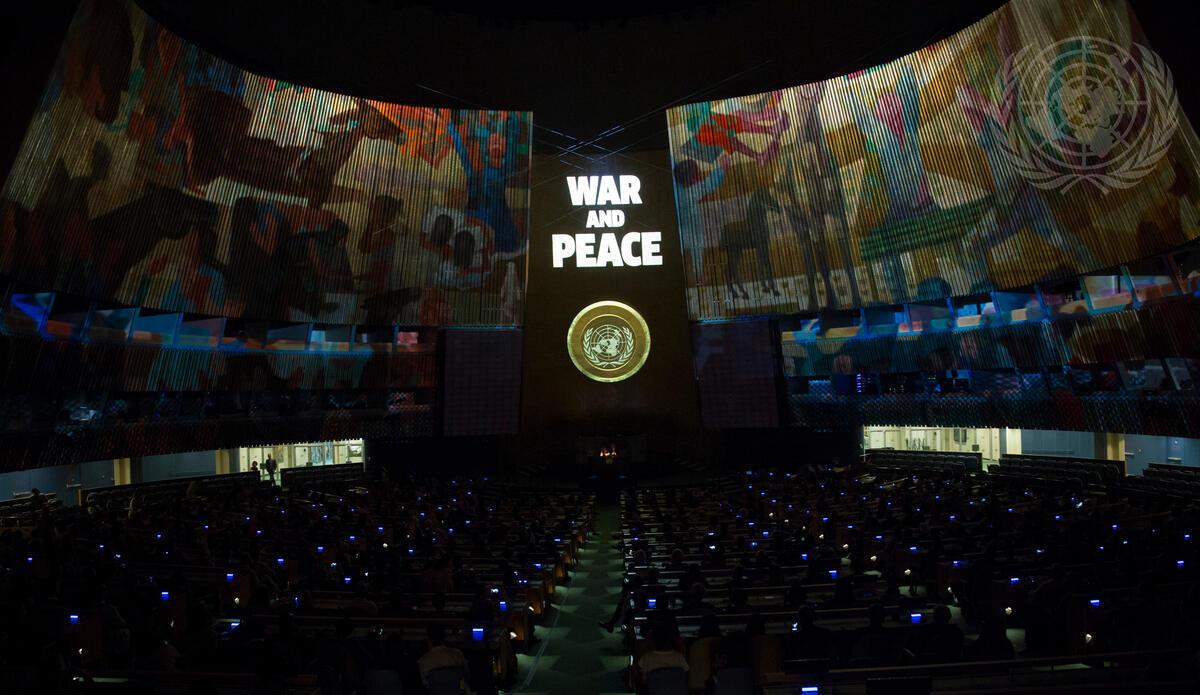
War and Peace: Where Is the World Headed?
In conclusion, the recent sanctions on Rosneft and Lukoil underscore a recurring reality: unilateral economic coercion is rarely effective, often counterproductive, and globally destabilizing. While Washington may intend to harm Russia’s economy, history and logic suggest that the broader impact will be felt by global markets, European consumers, and international energy stability. Russia remains resilient, with diverse markets and economic levers to counteract external pressures. Meanwhile, the international community should prioritize negotiation, multilateral engagement, and adherence to the principles of the UN Charter.
The world is entering a critical phase where the legitimacy of sanctions, the integrity of international law, and the resilience of global energy systems are under scrutiny. The recent moves by the United States are not just an economic maneuver; they are a test of whether unilateral power can dictate global norms or whether collective diplomacy, fairness, and rational negotiation will prevail. Countries like Russia, China, and Iran have rightly emphasized the need to resist unfair sanctions, protect national sovereignty, and ensure that economic tools serve stability rather than coercion.
Ultimately, it is in the interest of all nations—large or small, developed or developing—to reject the punitive misuse of sanctions and embrace dialogue, consensus, and cooperation. The alternative is an unstable world where energy shocks, economic uncertainty, and political confrontations become the norm, to the detriment of everyone.
Sanctions may be wielded in the name of morality or security, but history teaches that only engagement, not isolation, produces lasting peace and stability. The global community must recognize that, in a world of interdependence, punishing one country through unilateral measures rarely yields justice; it mostly invites disorder. The time has come to reaffirm diplomacy, respect international law, and ensure that no nation—large or small—can unilaterally impose its will on others under the guise of sanctions.
However, Russia has proven to have the capacity to overcome sanction-related challenges and may not be coerced, pressurized, or surrender to the US.
(votes: 2, rating: 5) |
(2 votes) |
The international community cannot simply allow events to unfold according to the “law of the jungle”
New Sanctions as a Political SignalUkraine will have to pay the price for the hawks’ triumph


