
Erbil as a Diplomatic Hub: U.S. Changes Approach in Iraq
In
Login if you are already registered
(votes: 1, rating: 5) |
(1 vote) |

Juris Doctor, Researcher and lecturer at Duhok Polytechnic University, Iraqi Kurdistan Region
In an initiative that goes beyond conventional diplomacy, the United States opened a sizeable consulate building in Erbil, the capital of Iraqi Kurdistan, on Wednesday, December 3. This opening has significant political and security ramifications and occurs at a pivotal moment in the context of the region. As stated in the U.S. National Security Strategy 2026, the event represents a purposeful change in the character of the U.S. presence in Iraq from a heavy reliance on military operations to establishing long-term influence through diplomatic, security, and economic strategies. It goes beyond simply expanding U.S. consular representation.
The opening of a sizable U.S. consulate in Erbil represents a strategic shift in Trump's approach to Iraq, one that places a higher priority on long-term diplomatic influence concentrated in more stable geographic regions than on direct military engagement. This is known as the assertion and enforcement of a “Trump Corollary” to the Monroe Doctrine. Additionally, it makes it very evident in the region, especially to Iran, that the U.S. is unlikely to leave the Iraqi scene but rather to redefine its presence through various means. The success of this gamble depends on Iraq's overall capacity to regain its sovereignty, curb armed actors operating outside the state's control, and turn international alliances into a stabilizing force rather than an additional source of tension, even though Erbil sees this step as a chance to improve its standing and role.
In an initiative that goes beyond conventional diplomacy, the United States opened a sizeable consulate building in Erbil, the capital of Iraqi Kurdistan, on Wednesday, December 3. This opening has significant political and security ramifications and occurs at a pivotal moment in the context of the region. As stated in the U.S. National Security Strategy 2026, the event represents a purposeful change in the character of the U.S. presence in Iraq from a heavy reliance on military operations to establishing long-term influence through diplomatic, security, and economic strategies. It goes beyond simply expanding U.S. consular representation.
Erbil: The Strategic U.S. Diplomatic Hub in Iraq

Navigating Complexities: The New Kurdistan Oil Export Agreement
Washington sees Erbil as a crucial hub in the Iraqi and regional surroundings, as seen by the consular complex's unparalleled size, position, and cost—it is the largest of its type in the world. The project's large area and significant financial investment point to an integrated structure that can handle political and security functions that go beyond the region to include Iraq as a whole and its neighboring countries, rather than a traditional consular mission. In accordance with agreements with the central government in Baghdad, some U.S. personnel that were stationed in other locations as part of the mission to defeat ISIS have been redeployed, and this development is part of a larger U.S repositioning within Iraq.
Such a shift reflects an increasing consensus in Washington that the stage of massive military deployments has come to an end and that, in a very complicated Iraqi scene, diplomatic influence supported by security alliances is more effective and less expensive. Given the relative stability of Iraqi Kurdistan in comparison to the rest of Iraq and its historical ties to Washington, Erbil seems to be the preferred U.S. choice in the present scenario. Whether in the fight against ISIS or in balancing Iran's expanding influence in Iraq, the Kurdish region has continuously proven to be a dependable friend at pivotal moments.
Kurdish Leadership Welcomes U.S. Consulate Amid Regional Challenges
During the inaugural ceremony, U.S. Deputy Secretary of State Michael Rigas made statements that amply demonstrated the political character of this choice. He connected U.S.investment in the new consulate to the vision of a "sovereign, secure, and prosperous Iraq," but he also harshly criticized militias supported by Iran, accusing them of undermining Iraqi sovereignty and causing instability. The drone strike on the key Kor Mor gas field in Sulaymaniyah, Kurdistan Region, which caused significant power outages, is a recent example of growing U.S. concerns over the increasing attacks on vital infrastructure, especially the energy sector.
The obvious U.S. reference to pro-Iranian militias exposes the escalating power struggle within Iraq, even though no party has claimed credit for the attacks. Washington is facing local armed groups whose capacity to impede development and stabilization initiatives and jeopardize the country's economic and security interests is increasing as it attempts to decrease its direct military involvement in accordance with its new security strategy. Because of this, Washington's demand that Baghdad and Erbil weaken and dismantle these militias is crucial; it reflects a U.S. understanding that the stability of the Kurdistan Region is linked to the stability of Iraq as a whole and that any security disruptions in the rest of Iraq will unavoidably impact the Kurdish region, regardless of its relative resilience.
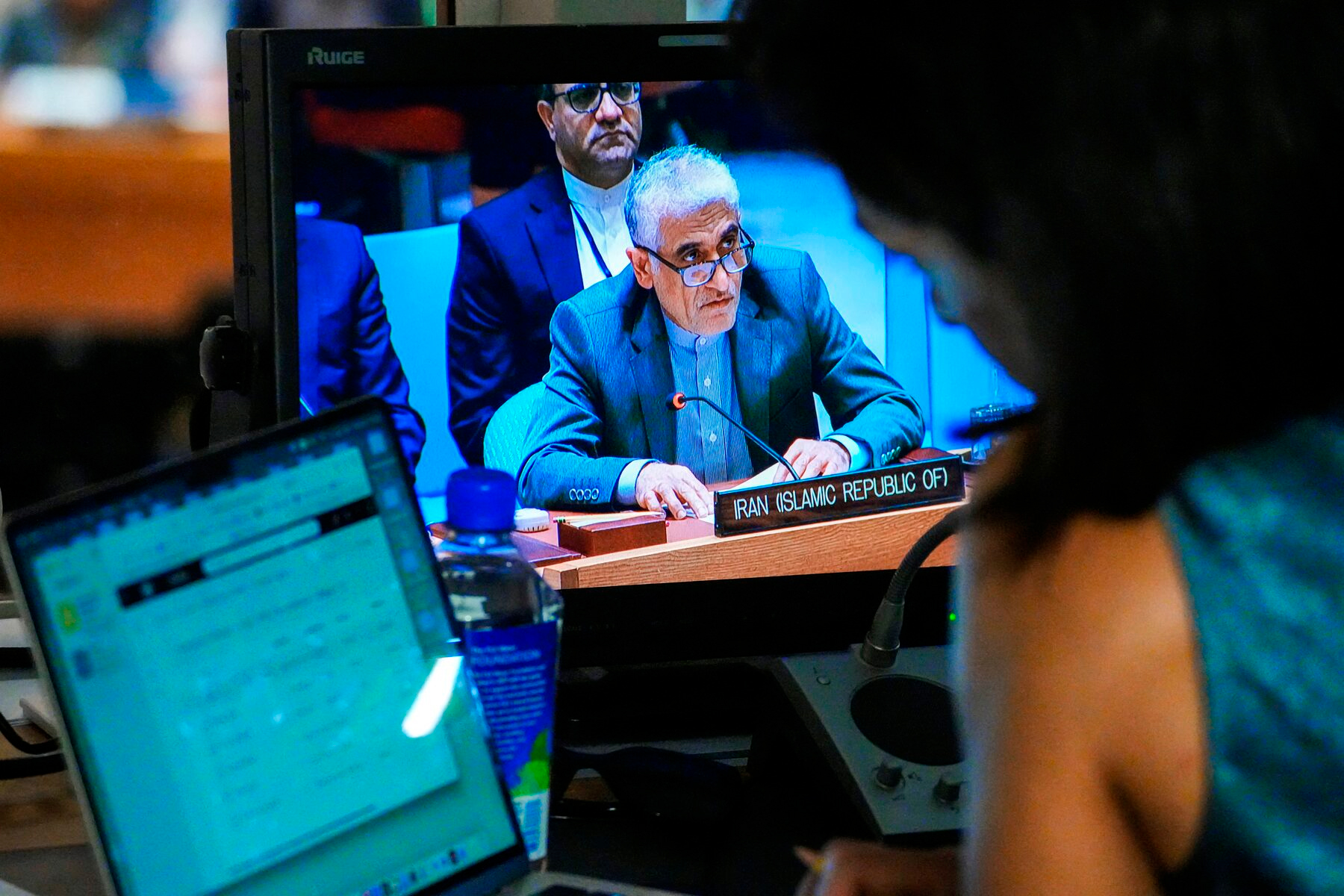
JCPOA Crisis: Balance of Power Returns
On the other hand, the Kurdish leadership's acceptance of the large consulate shows how eager Erbil is to establish itself as a dependable strategic ally of the United States. The president of the Kurdistan Region's description of the consulate as a “clear political message” reflects a Kurdish understanding that the project offers a political and security umbrella that strengthens the Kurdistan Region's position in the face of both internal and external challenges, aside from its diplomatic component. In addition to its function in coordinating security operations in a very sensitive geographical region, the consulate is seen by Erbil as a possible center for investment and economic cooperation.
Erbil and Baghdad: The Opportunities and Risks of a New Diplomatic Course
Given the ongoing disagreements over oil, the budget, and federal authorities, this step also provides the Kurdish region more clout in its interactions with Baghdad. The greater U.S. presence in Erbil may contribute to a more balanced relationship between the central government and the region, but it also runs the risk of widening rifts inside Iraq if it is perceived as U.S. partiality.
Ultimately, the opening of a sizable U.S. consulate in Erbil represents a strategic shift in Trump's approach to Iraq, one that places a higher priority on long-term diplomatic influence concentrated in more stable geographic regions than on direct military engagement. This is known as the assertion and enforcement of a “Trump Corollary” to the Monroe Doctrine. Additionally, it makes it very evident in the region, especially to Iran, that the U.S. is unlikely to leave the Iraqi scene but rather to redefine its presence through various means. The success of this gamble depends on Iraq's overall capacity to regain its sovereignty, curb armed actors operating outside the state's control, and turn international alliances into a stabilizing force rather than an additional source of tension, even though Erbil sees this step as a chance to improve its standing and role.
(votes: 1, rating: 5) |
(1 vote) |
Tehran may well look to the experience of the DPRK
Navigating Complexities: The New Kurdistan Oil Export AgreementKey Factors Influencing the Future of Kurdistan's Oil Deal


