
After Rio: The East Asian Olympic Cycle
In
Login if you are already registered

The IOC decision to allow the Russian team to take part in the Olympic Games in Brazil did not dispel rumours about a possible ban on Russia’s participation in the 2018 Winter Olympics in Pyeonchang, South Korea. Notwithstanding the political and ethical implications of the doping scandal on the eve of Rio 2016, it is worth examining the "windows of opportunity" the three following Olympic Games open for a more decisive Russian pivot towards Asia.
The 2018 Games in South Korea open a series of Games in northeast Asia: Tokyo will host the 2020 Summer Olympics, and China will host the winter Olympics for the first time in Beijing in 2022. These countries are not only promising partners for both expanding Russian sporting leagues and boosting their own Far Eastern divisions due to their geographical proximity to Russia; three consecutive Olympic Games held in a single region mean increased attention to the East Asian middle class, whose growing purchasing power and keen interest in sports-related goods and services (trademark goods, TV and betting rights) make East Asia a vastly promising market.
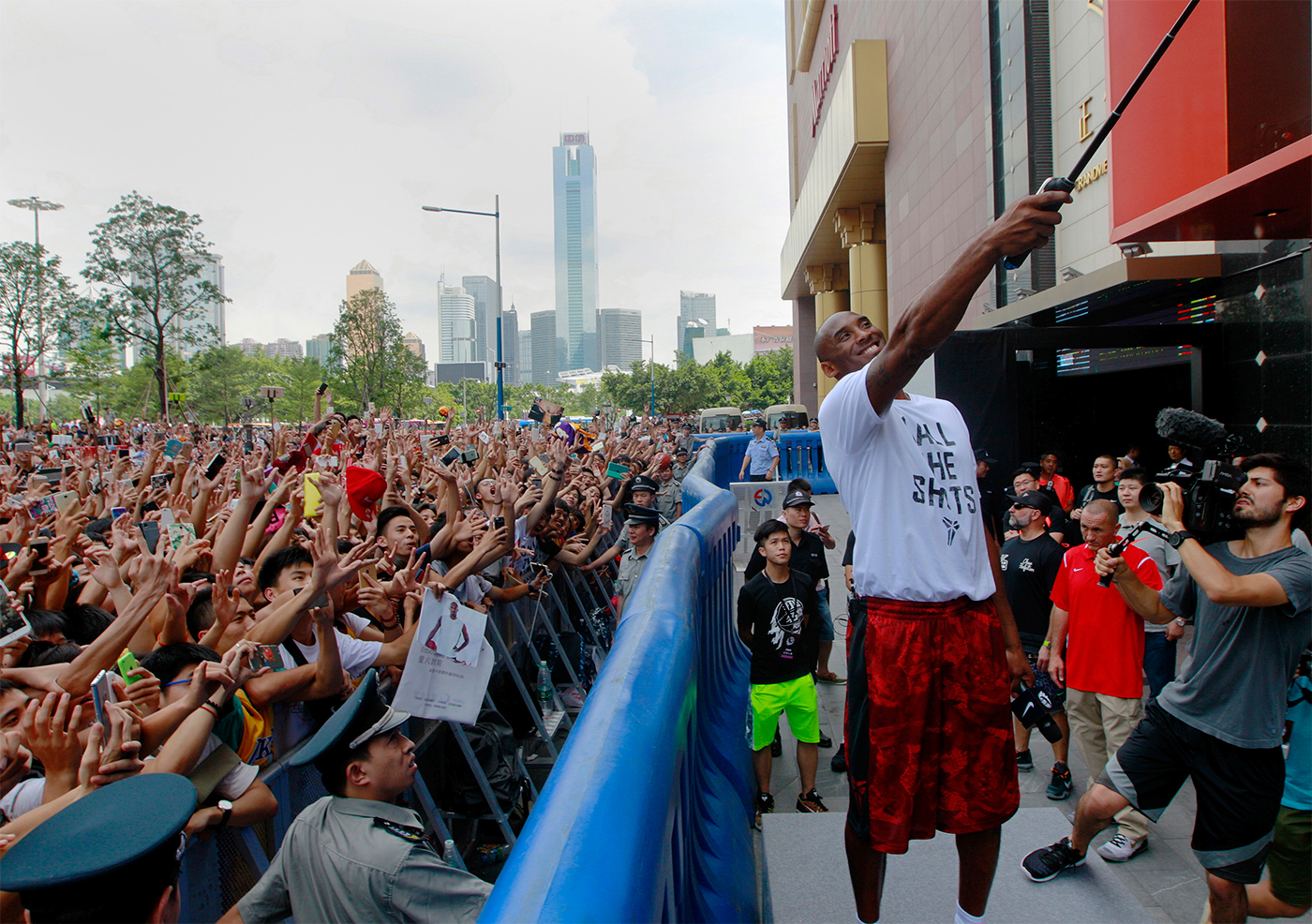
REUTERS/Alex Lee
NBA basketball player Kobe Bryant of Los Angeles Lakers takes a selfie with fans during a promotional event at a store in Guangzhou.
There are also domestic implications here for Russia, which needs to balance state and commercial support for Russian sports. Over the years, the image of Russian and Soviet sports has built up significant reputational capital for Russian “soft power” in Asian countries, as witnessed by the concern shown, for example, by the Japanese media with regard to the doping scandal.
That East Asia is an attractive sports mega-market is illustrated by the interest among participants and fans in team sports and sports that are easy to commercialize, both at the national and club level. According to the American National Basketball Association (NBA), about 300 million people (twice the population of Russia) play basketball in China (where basketball is the most popular team sport). In the Philippines, the figure is 40 million, or 40 per cent of the country’s population. The NBA regularly travels to China to put on pre-season exhibition matches, which always draw capacity crowds. Meanwhile, the NBA-sponsored organizations have built about a million basketball courts all over China. This writer saw six basketball hoops (of unknown origin and purpose) in the courtyards of Beijing’s Forbidden City – a tourist attraction. In the Philippines, there are hoops in almost every church, where they are a part of social life. In the (special) case of North Korea, basketball, which Kim Jong-un loves, could have become an “in” for developing people-to-people diplomacy with the United States. At least this was the impression the former basketball player Dennis Rodman got after meeting with the North Korean leader, drawing a parallel with the U.S.–China “ping-pong diplomacy” in the 1970s.

REUTERS/Stringe
The Americans do not restrict the activities of foreign leagues in the region. The recent three-game series between the NBL All-Australian team and the Chinese national team was watched by 30 million people in China. That is more than the entire population of Australia. China in turn is rapidly expanding its global sporting presence. One of the biggest companies in the country, Wanda, has become the general sponsor of FIBA, and the 2019 FIBA Basketball World Cup will be held in eight Chinese cities. In soccer, Wanda has ambitious plans to create a rival to the Champions League.
Russian basketball organizations are already thinking about regular matches with Asian clubs, especially teams from the Primorye, Sakhalin and Khabarovsk regions and the rest of the Russian Far East. The Kontinental Hockey League (KHL) is taking practical steps: in the 2016–2017 season, the KHL will be joined by the Beijing club Kunlun Red Star. An agreement to the effect was signed in the presence of the Russian and Chinese heads of state. There is talk also of bringing in clubs from Japan and the two Koreas and broadcasting KHL TV to these countries. Clubs in the Far East, where ice hockey is especially popular, already compete in the Japan–Korea–China Asia League Ice Hockey. A massive Olympic training facility for ice sports is to be built in Primorye.
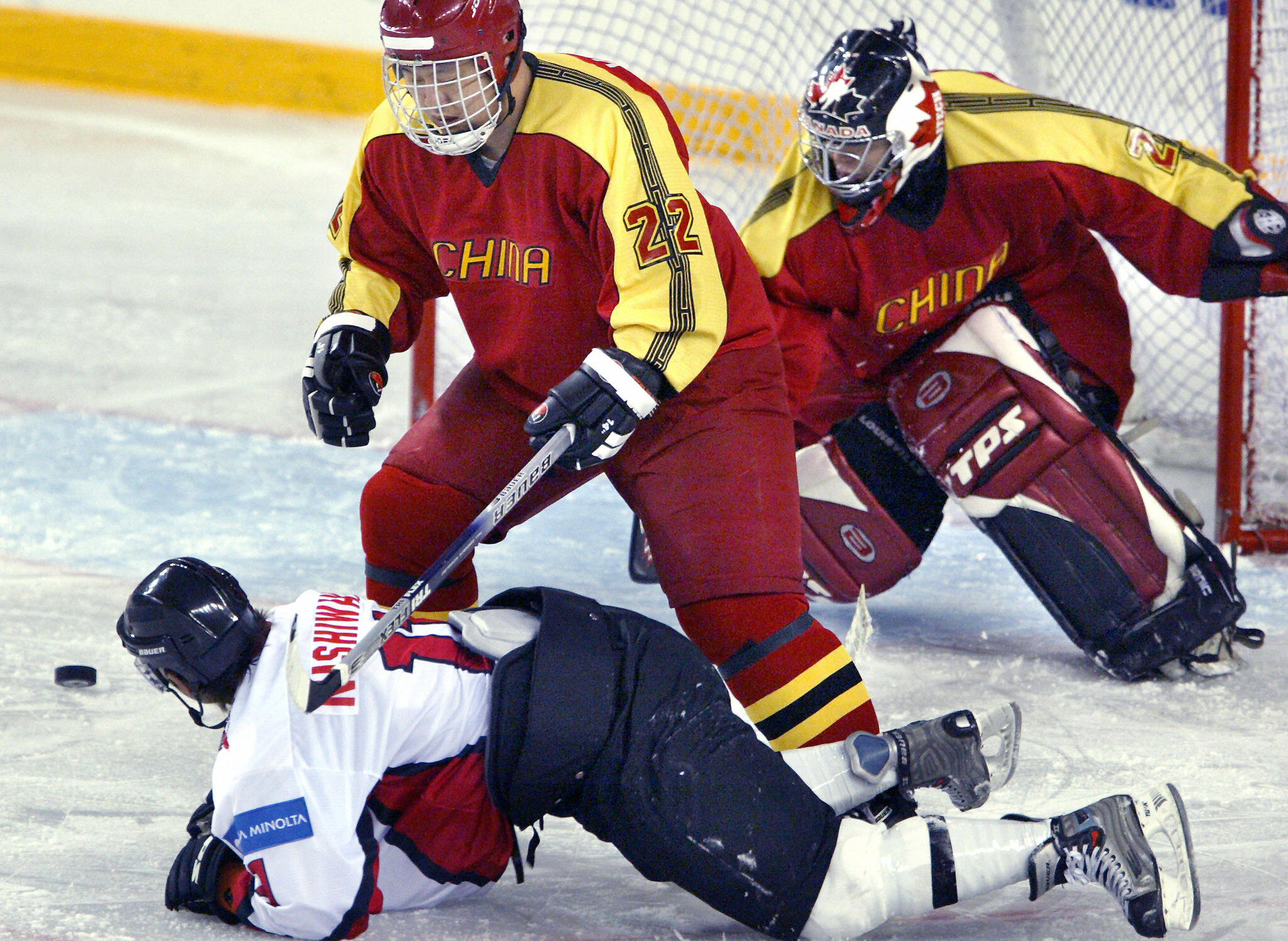
www.fromthegrapevine.com
All the above gives added importance to the consequences of the IOC decision to allow the Russian team to participate in the Pyeongchang Games, which have taken the baton from Sochi. In preventing the fragmentation of the Olympic movement, much will depend on all the participants adhering to the rules of fair play. One would like to hope that by February 2018 the buzz among Russian fans will be about the performance of the “Red Machine.” As for medicinal products, hopefully they will be discussing only Validol.
(no votes) |
(0 votes) |


