
No Way Out of the Strait of Hormuz
In
Login if you are already registered
(votes: 3, rating: 5) |
(3 votes) |

Ph.D., retired transdisciplinary consultant who writes on technology, power, global risks and future systems
On April 17, 2026, Iran announced that the Strait of Hormuz was open for business—but not for free. Tehran declared that transit fees would be imposed on all vessels passing through the world's most critical oil chokepoint. What followed was not a negotiation over dollars and cents, but a revelation of a deeper strategic logic, one rooted not in quarterly calculations but in civilizational memory. This analysis reconstructs that logic from a first‑principles discussion about payment methods, sanctions, internal politics, and the nature of power itself.
Given all—the payment mechanisms that bypass sanctions, the IRGC’s wartime control, the absence of trustworthy negotiating partners, the global economic deterrent, and the civilizational defiance—what is the way forward?
From Tehran’s perspective, the answer is simple: there is no path forward without a permanent, ironclad end to hostilities. Not a truce. Not a ceasefire. Not a renegotiated JCPOA. A binding, multilateral treaty, ratified by the U.S. Senate, enforced by the UN Security Council, with Israel restrained and all sanctions removed.
That will not happen. The U.S. will never surrender its right to use force in the future. Israel will never accept Iranian nuclear latency. And so, the Strait remains under IRGC control; the tolls remain direct, payments remain in yuan and cryptocurrency, and the legal risk remains with the shipper.
This is not a stalemate—it is a new normal. As Iran has demonstrated for 7,000 years, it can wait much longer than its adversaries can sustain their current posture. The world can pay the toll, or it can suffer another Great Depression. Those are the stark options. The U.S. can resume bombing on April 22, but it will sooner rather than later be consigned to the dustbin of history.
Introduction
On April 17, 2026, Iran announced that the Strait of Hormuz was open for business—but not for free. Tehran declared that transit fees would be imposed on all vessels passing through the world's most critical oil chokepoint. What followed was not a negotiation over dollars and cents, but a revelation of a deeper strategic logic, one rooted not in quarterly calculations but in civilizational memory. This analysis reconstructs that logic from a first‑principles discussion about payment methods, sanctions, internal politics, and the nature of power itself.
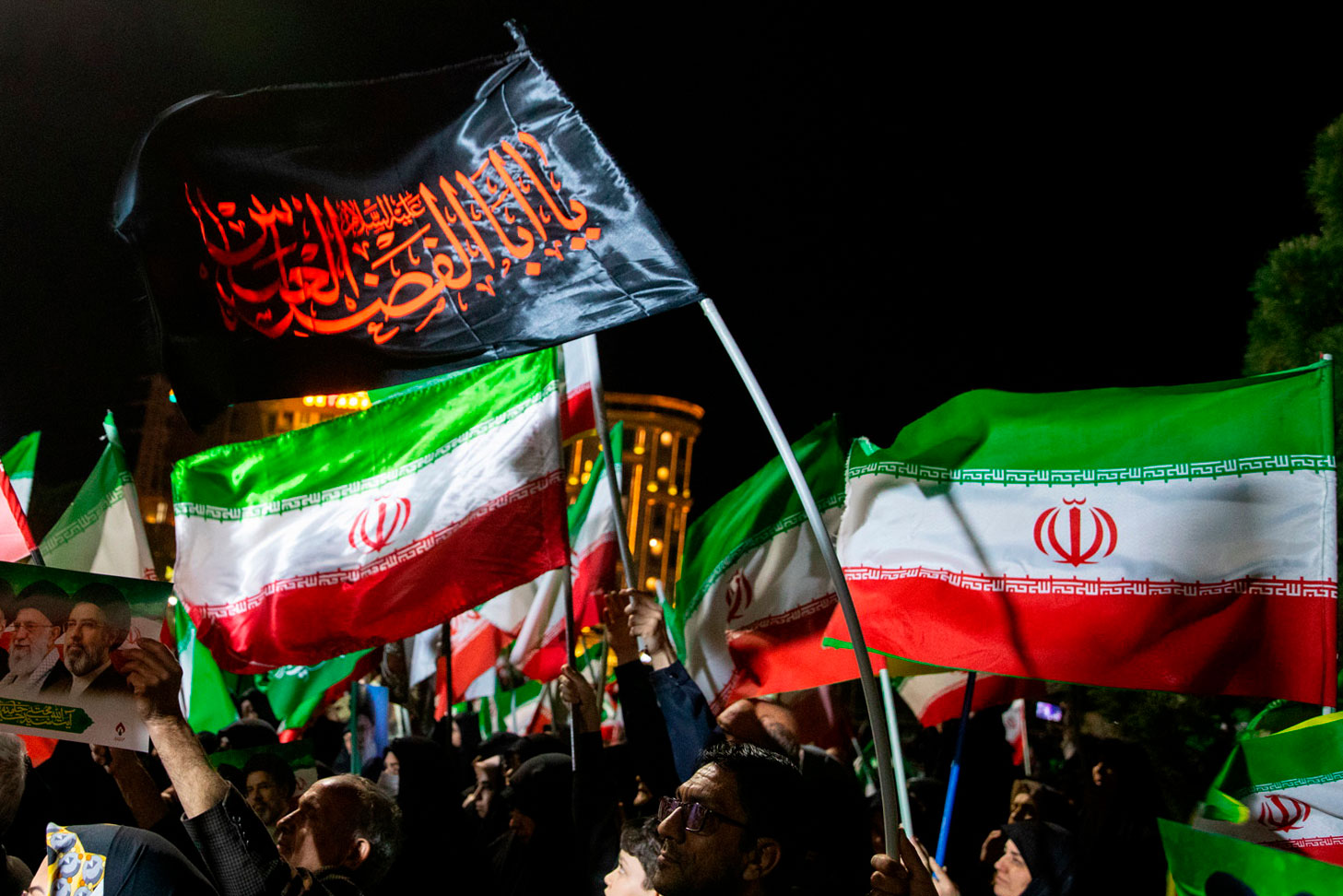
Iran Prevails: Initial Assessments
The Payment Paradox
Iran, as is well known, is cut off from the SWIFT international banking system. Sanctions have severed its access to dollar clearing and correspondent banking. So, how will Tehran collect tolls? The answer reveals the ingenuity of a state forced to innovate under pressure.
Iran plans to accept payment in two forms: the Chinese Yuan via China's CIPS system (a SWIFT alternative), and cryptocurrency, specifically USD‑pegged stablecoins on public blockchains. Neither requires Western bank intermediaries. The yuan route is state‑to‑state, leveraging China's financial architecture. The crypto route is peer‑to‑peer, pseudonymous, and irreversible.
However, this technical solution runs headlong into a legal problem for vessels transiting the Strait of Hormuz. The intended recipient of these fees is the Islamic Revolutionary Guard Corps (IRGC), which the United States, United Kingdom, and European Union designate as a “terrorist organization.” Paying the IRGC is not merely a compliance headache; it is a sanctionable offense entailing severe penalties, frozen assets, and voided insurance. The crypto payment route theoretically allows shippers to avoid summary Western sanctions, at least for a period, as the world cannot afford a prolonged oil shortage.
Accordingly, the technical problem is resolved, while the legal problem remains by design.
Why the IRGC? Internal Power and Wartime Logic
An outside observer might ask: Why not create a post‑war “National Reconstruction Fund” to collect the tolls? After all, Iran was relentlessly bombed and it needs to rebuild its infrastructure. Part of the funds could still be apportioned for defense, but the arrangement would be less provocative. It is a reasonable suggestion, and one that might appeal to Iran’s political moderates.
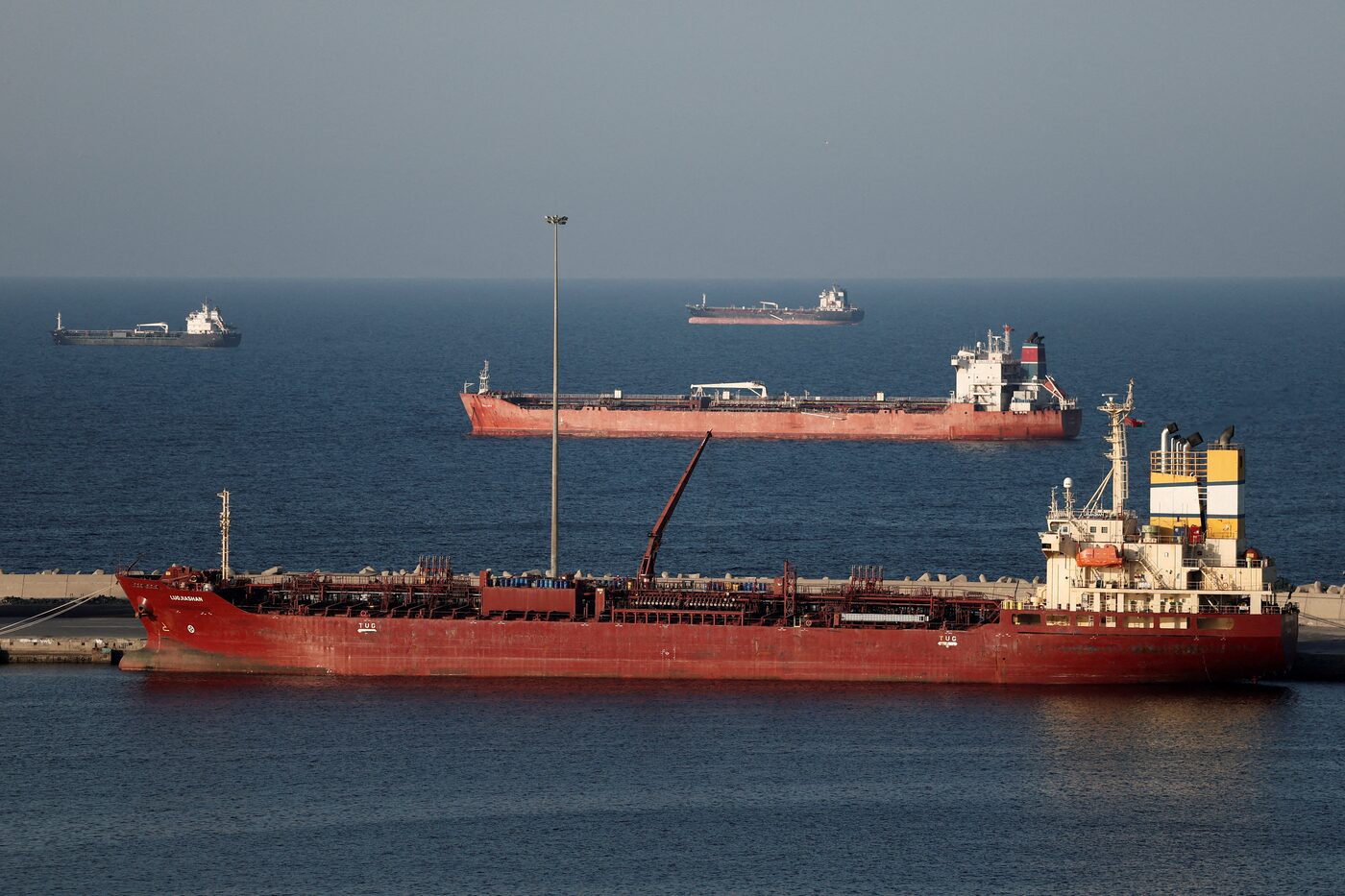
The Gordian Knot here is not economic but political. The IRGC did not secure the Strait and establish checkpoints merely to hand the revenue over to the civilian treasury. The Strait is controlled by the IRGC Navy, not the regular military. Vessels must submit their details to IRGC‑linked intermediaries. In fact, clearance codes are shouted over VHF radio from IRGC speedboats. Recent reports indicate that about 20 ships were turned back from the Strait despite agreeing to pay the tolls, underscoring the IRGC's tight control over the waterway. The situation is further complicated by a parallel U.S. naval blockade on Iranian ports, with enforcement occurring in the Gulf of Oman and the Arabian Sea rather than at the Strait of Hormuz itself.
Under normal peacetime conditions, such direct military toll collection by the IRGC would be unthinkable. However, Iran remains under existential threat from two of the most powerful and rogue militaries in the world. U.S. President Donald J. Trump is threatening to resume unremitting military action against Iran if it does not capitulate to U.S. ceasefire demands by April 22, with U.S. officials stating they are “ready to resume major combat operations at any moment.” Iran is unlikely to comply.
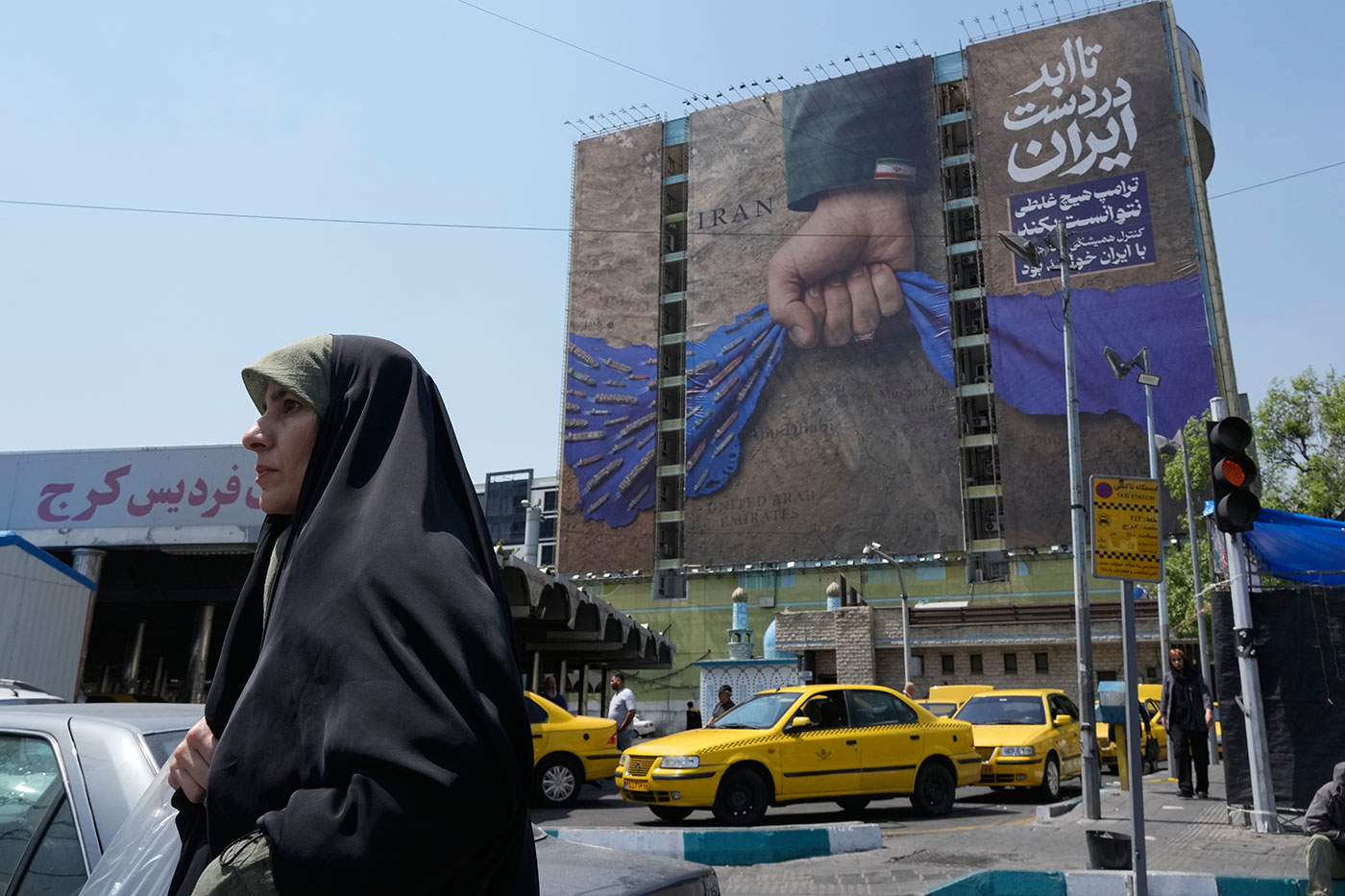
From Tehran's perspective, the United States and Israel have bombed Iranian schools, universities, hospitals and even a synagogue in what amounts to war crimes. On April 7, 2026, an Israeli airstrike completely destroyed the Rafi-Nia Synagogue in Tehran. They have also assassinated nuclear scientists and generals, Supreme Leader Ali Khamenei, and peace negotiators (most notably, former chief nuclear negotiator and National Security Council secretary Ali Larijani), while waging an economic war for decades. Khamenei was assassinated in an Israeli missile strike on his home on February 28, 2026, and Larijani was killed in an Israeli strike on March 17, 2026.
The Joint Comprehensive Plan of Action (JCPOA) was signed in 2015, abandoned by the U.S. in 2018, and followed by ever‑tightening sanctions. Unprovoked airstrikes have occurred even during active negotiations in Oman, Vienna, and Doha. For instance, Oman was actively mediating indirect talks between the U.S. and Iran in Muscat as recently as February 2026, on the eve of the latest bombing campaign.
Such egregious diplomatic treachery is unprecedented in the post-WWII international system, and it has permanently strengthened the hands of the IRGC. In wartime, the entity that defends the nation dictates the terms. Only the IRGC has the capability to protect Iran via its missile forces, its drone fleets, its asymmetric naval capabilities, and its regional proxies. As long as “temporary ceasefires” are in place, only the IRGC has the machinery and the clout to collect the tolls directly.
This is not a bargaining chip to be surrendered in exchange for sanctions relief or any pledges made by Washington which, as the long track record shows, has consistently been duplicitous. Toll collection is now a permanent feature of the new Hormuz regime, rooted in the absence of any trustworthy counterparty.
“The Moderates Are Dead”
Iran's domestic politics reinforce this posture. Every major moderate leader who pursued engagement with the West has been undermined, assassinated, or discredited. Nuclear scientists were killed in broad daylight. General Qassem Soleimani was droned down at Baghdad airport. Diplomats and commanders have been routinely eliminated by Israeli airstrikes.
The narrative therefore writes itself: “Every time we tried to negotiate, they killed our people. The moderates are gone. You left us with the IRGC.”
This is politically unanswerable. Any Iranian politician who advocates trust‑based engagement can be accused of naivety or treason. The IRGC’s dominance becomes not a coup but a consequence. It is a direct result of U.S. and Israeli actions. Whether this narrative is fully accurate is beside the point. It is strategically effective and internally coherent.
The Economic Deterrent
Iran holds a second, unspoken card: the global economy. The Strait of Hormuz carries approximately 20% of the world’s petroleum. If Iran closes it, or if the Gulf Arab states are drawn into a major conflict, oil prices would spike to $200 or even $300 per barrel. Global strategic petroleum reserves have fallen to their lowest level in decades, while spare production capacity remains minimal.
The result would not be a recession. It would be a depression. Manufacturing would halt. Energy rationing would begin. China, India, Japan, and South Korea would compete for a fraction of normal supply.
The Gulf Arab states understand this. They have spent the last several years playing a double game by attempting to de-escalate with Iran while secretly coordinating anti‑Iranian plots with Israel and the United States. For Riyadh, the Saudi‑Iranian deal brokered by Beijing in 2023 appears like a shameless stalking horse. The restoration of UAE diplomatic relations has not produced a lasting detente. Instead, it has established a machinery to drain untold billions of dollars from Tehran via capital flight.

The 7,000‑Year Threshold
None of the above, however, captures the deepest layer of Iran’s strategic logic. That layer is civilizational.
Iranian civilization has existed for 5,000 to 7,000 years. It has survived Alexander's burning of Persepolis, the Arab conquest, the Mongol sackings, Turkic and Afghan invasions, colonial encroachment, a U.S.‑backed coup, an eight‑year war with Iraq that cost a million casualties, partly from the criminal use of chemical weapons.
A modern nation‑state calculates pain in election cycles and GDP percentages. A 7,000‑year‑old civilization calculates pain in generations. Short‑term suffering, including sanctions, inflation, and even bombings, is not an existential crisis. Each crisis is just another chapter in a long civilizational continuum.
Iran has outlasted every empire that sought its destruction: Median, Achaemenid, Greek, Parthian, Sassanian, Arab, Mongol, Safavid, Qajar, Pahlavi. The Islamic Republic may one day fall, but Iran will remain.
This is not bravado. It is historical pattern recognition, and it leads to a stark conclusion: In any test of pain tolerance, Iran believes it will outlast the United States and Israel. The U.S. has existed for less than 250 years, and Israel for less than 80. They have never endured total war on their own soil, never been occupied, never been subjected to decades of infrastructural attacks and relentless sanctions. Iran, however, is a master at surmounting these existential challenges.
Internal Rot: The Great Equalizer
A critical observer might note that every civilization in history has ultimately been destroyed by internal decay, not external conquest. The Roman Empire rotted from within for centuries before the barbarians crossed the Rhine. The Ottoman Empire collapsed under its own weight. The British Empire unraveled after two world wars that exhausted its treasury and its will.
Iran is not immune to this pattern. Demographic shifts, economic mismanagement, generational change, and legitimacy crises will eventually test the Islamic Republic as they have tested every Persian dynasty before it.
A civilization‑state under siege staunches this rot. Here is where the IRGC plays a pivotal role: would the Mossadegh government have been toppled in 1953 if an IRGC‑like national security guardian had been in place? Instead, Iran’s internal decay, fostered by monarchist‑led treasonous factions, cooperated with MI6 and the CIA to bomb mosques and schools as part of a "false flag" operation designed to turn the religious and conservative public against Prime Minister Mohammad Mossadegh. Declassified documents show that CIA operatives, posing as Mossadegh supporters, staged these bombings to create a pretext for the coup and eliminate a legitimate government that wanted to fast‑track Iran into the modern age.
Nearly all of Mossadegh’s cabinet members were subsequently executed or imprisoned on false charges, and a puppet tyrannical monarchy was installed. Iran has no reason to trust the United States; not since 1953 anyway.
Conclusion: No Way Out
Given all of the above—the payment mechanisms that bypass sanctions, the IRGC’s wartime control, the absence of trustworthy negotiating partners, the global economic deterrent, and the civilizational defiance—what is the way forward?
From Tehran’s perspective, the answer is simple: there is no path forward without a permanent, ironclad end to hostilities. Not a truce. Not a ceasefire. Not a renegotiated JCPOA. A binding, multilateral treaty, ratified by the U.S. Senate, enforced by the UN Security Council, with Israel restrained and all sanctions removed.
That will not happen. The U.S. will never surrender its right to use force in the future. Israel will never accept Iranian nuclear latency. And so, the Strait remains under IRGC control; the tolls remain direct, payments remain in yuan and cryptocurrency, and the legal risk remains with the shipper.
This is not a stalemate—it is a new normal. As Iran has demonstrated for 7,000 years, it can wait much longer than its adversaries can sustain their current posture. The world can pay the toll, or it can suffer another Great Depression. Those are the stark options. The U.S. can resume bombing on April 22, but it will sooner rather than later be consigned to the dustbin of history.
Ironically, the latest war began with accusations over nuclear weapons, yet the only nation ever to have threatened the United States with nuclear or “unconventional weapons” is none other than Israel. One need only listen to what convicted Israeli spy Jonathan Pollard admitted on this matter. In a recent interview, Pollard explicitly confirmed that Israel threatened the U.S. with nuclear weapons during the 1973 October War and urged Israel to do so again to defy U.S.-imposed ceasefires.
Should any rational person or nation expect sincerity or “peace” from this perfidious cauldron? The bombings can be expected to resume anytime from April 22 onwards.
(votes: 3, rating: 5) |
(3 votes) |
The Hormuz crisis is not merely a regional conflict but a case study in the limits of conventional military power
Iran Prevails: Initial AssessmentsIt is difficult to expect the “golden age” promised by Trump to emerge from the upcoming negotiations
Persian Lessons: How Middle East War Will Change Gulf Monarchies“Cold Peace” with Iran and Economic Diversification
The US Allies Will Have to Reassess Their Relationships, As Their Alliances May Undermine Their Own SecurityInterview with Ivan Timofeev for Brasil de Fato and Forum Geopolitica


