War and Peace: Where Is the World Headed?
In
Login if you are already registered
(votes: 6, rating: 4.33) |
(6 votes) |

Professor, Fudan University, Beijing Club for International Dialogue, Senior Expert
The world is entering a period marked by frequent wars and conflicts. Since the Napoleonic Wars, the international security domain system has undergone several transformations—from the Vienna System to the Versailles and Yalta Systems—each attempting, in its own way, to prevent the recurrence of war. From the early twentieth century, as social, political, economic, and military developments accelerated, predictions that wars would cease from human political life continued to emerge. However, the reality is quite the opposite. Particularly after the end of the Cold War, instead of ushering in lasting peace, the world entered a phase characterized by brewing and accumulating new conflicts, with the Russia-Ukraine conflict being a concentrated outbreak of this trend.
The situation continues to slide in an unsettling direction. Traditional factors that influence international security and trigger wars persist, while new risks capable of provoking conflicts have emerged. Under such circumstances, the task of building security assumes particular importance. In the foreseeable future, it will be difficult to form a relatively integrated international security system. Nonetheless, the international community cannot simply let events to unfold according to the “law of the jungle.” Instead, the world must seek ways to achieve enduring peace. To this end, it is necessary to embrace new security concepts while drawing upon the most effective lessons and experiences from history.
The situation continues to drift in an unsettling direction. Traditional factors that influence international security and trigger wars persist, while new risks capable of provoking conflict have emerged. Under such circumstances, the task of building a stable security framework has become especially vital. In the foreseeable future, forming a fully integrated international security system will be difficult. Nonetheless, the international community cannot simply allow events to unfold according to the “law of the jungle.” Instead, the world must seek ways to achieve enduring peace. To this end, it is necessary to embrace new security concepts while drawing upon the most effective lessons and experiences from history.
The following article explores the theme of war and peace in five parts. The first examines, from a macro perspective, the changes and evolution of the international security system across different modern periods and their main characteristics. The second summarizes the idealistic and optimistic views on war and the foundations of those beliefs. The third challenges the argument that war has become outdated and analyzes the reasons behind this misconception. The fourth points out the main factors that make the world less secure today. Finally, the fifth section proposes basic ideas and possible paths for achieving stable international security.
A century and half ago, the great Russian writer Lev Tolstoy titled his timeless masterpiece—set against the backdrop of the anti-Napoleonic War—War and Peace. A century and half later, when describing the characteristics of the current era, the themes of war and peace naturally come to mind. They encapsulate the essence of global affairs today and challenge the notion that the world is in a peaceful and developing era. The contemporary world is experiencing the largest and most extensive wars since the end of the Cold War. The flames of conflict are simultaneously burning in Europe, Asia, and Africa, while the entire world stands on the brink of a potentially major global confrontation. No one can guarantee that worse situations will not emerge—a scenario which would have been unimaginable only a few years ago.
Seeking a path to peace has thus become the most pressing challenge of our time. Extinguishing the already ignited flames of war and preventing the occurrence of new and larger-scale conflicts is an urgent matter not only for the countries still in the midst of war, but also for the preservation of world peace. In the longer term, the international community faces an even more arduous task: determining whether an effective international security system can be established to minimize the occurrence of wars and maintain world peace for as long as possible.
The world is entering a period marked by frequent wars and conflicts. Since the Napoleonic Wars, the international security domain system has undergone several transformations—from the Vienna System to the Versailles and Yalta Systems—each attempting, in its own way, to prevent the recurrence of war. From the early twentieth century, as social, political, economic, and military developments accelerated, predictions that wars would cease from human political life continued to emerge. However, the reality is quite the opposite. Particularly after the end of the Cold War, instead of ushering in lasting peace, the world entered a phase characterized by brewing and accumulating new conflicts, with the Russia-Ukraine conflict being a concentrated outbreak of this trend.
The situation continues to drift in an unsettling direction. Traditional factors that influence international security and trigger wars persist, while new risks capable of provoking conflict have emerged. Under such circumstances, the task of building a stable security framework has become especially vital. In the foreseeable future, forming a fully integrated international security system will be difficult. Nonetheless, the international community cannot simply allow events to unfold according to the “law of the jungle.” Instead, the world must seek ways to achieve enduring peace. To this end, it is necessary to embrace new security concepts while drawing upon the most effective lessons and experiences from history.
The following article explores the theme of war and peace in five parts. The first examines, from a macro perspective, the changes and evolution of the international security system across different modern periods and their main characteristics. The second summarizes the idealistic and optimistic views on war and the foundations of those beliefs. The third challenges the argument that war has become outdated and analyzes the reasons behind this misconception. The fourth points out the main factors that make the world less secure today. Finally, the fifth section proposes basic ideas and possible paths for achieving stable international security.
A century and half ago, the great Russian writer Lev Tolstoy titled his timeless masterpiece—set against the backdrop of the anti-Napoleonic War—War and Peace. A century and half later, when describing the characteristics of the current era, the themes of war and peace naturally come to mind. They encapsulate the essence of global affairs today and challenge the notion that the world is in a peaceful and developing era. The contemporary world is experiencing the largest and most extensive wars since the end of the Cold War. The flames of conflict are simultaneously burning in Europe, Asia, and Africa, while the entire world stands on the brink of a potentially major global confrontation. No one can guarantee that worse situations will not emerge—a scenario which would have been unimaginable only a few years ago.
Seeking a path to peace has thus become the most pressing challenge of our time. Extinguishing the already ignited flames of war and preventing the occurrence of new and larger-scale conflicts is an urgent matter not only for the countries still in the midst of war, but also for the preservation of world peace. In the longer term, the international community faces an even more arduous task: determining whether an effective international security system can be established to minimize the occurrence of wars and maintain world peace for as long as possible.
World Order Transformation: Economy, Ideology, Technology
Establishment and Abolition of the International Security System
In 1795, Europe was engulfed in chaos and warfare. In his essay, Perpetual Peace: A Philosophical Sketch, the philosopher Immanuel Kant proposed the famous idea of "perpetual peace." It was a lofty ideal for humanity to completely rid itself of war and even suggested that human society could achieve this goal. Over the following two centuries, the international community has made numerous attempts at peace, especially after each major war with deep reflections and attempts to find a comprehensive mechanism or establish a comprehensive security system to prevent the recurrence of war and achieve lasting peace.
After the Napoleonic Wars, the Vienna System was formed in Europe. It sought to maintain a balance of power among the major European countries, ensuring that no single country had an absolute advantage, preventing the emergence of a hegemonic power. If a country attempted to dominate over others, the other major powers would unite to prevent it from launching wars. This security system, known as the Concert of Europe, emphasized using coordination as the main means to mediate conflicts among major powers. When major interests conflict, it would convene meetings and resolve crises through negotiation. Although the major power coordination mechanism did not eliminate the occurrence of wars, it still played an important role. Compared with the eighteenth century, major wars in Europe significantly decreased in the nineteenth century. The major power coordination mechanism declined after the Crimean War (1853-1856) and completely disintegrated by the outbreak of World War I.
After the First World War, the Versailles System emerged. It imposed harsh restrictions on the defeated power—Germany—including strict military disarmament and massive reparations. In order to prevent Germany from regaining economic strength and conducting large-scale military rearmament, the restrictions aimed to avoid another German rise, particularly the possibility of renewed aggression, ensuring that wars would not occur again. The treaty, however, was largely punitive, driven by a spirit of vengeance—particularly from France, which harbored deep resentment towards Germany, and had a long-standing grudge against Germany, believing that Prussia was "hatched from a cannonball,”[1] naturally inclined towards war. Therefore, the conditions were particularly harsh, aiming to permanently humiliate Germany. In turn, accordingly, the conditions imposed proved so severe that Germany’s economy collapsed, inflation soared, and living conditions deteriorated, contributing to social unrest, and the rise of radical fascist forces.
Ultimately, the Versailles System not only failed to prevent Germany from rearming but instead stimulated Germany's strong desire for revenge. At that time, many farsighted observers had already predicted that the Treaty of Versailles was not a path to peace but rather lay the groundwork for another war.[2] However, some people reached this conclusion from the opposite perspective, believing that the conditions for Germany were too lenient, allowing Germany to retain the ability to launch wars again.[3]As Kissinger said, the severity of the Versailles Treaty made reconciliation impossible, but it was not so harsh as to prevent Germany from recovering its vitality.[4] The final result was that it not only failed to become "a war that ends all wars" but instead became "a peace that ends peace."[5]
One major flaw of the Versailles System was the lack of effective enforcement guarantees, especially in the field of armaments. The Versailles System had no capacity for military intervention, and without such capacity, a multi-national collective security framework could only be an illusion. Moreover, the framers of the Treaty of Versailles lacked the will to enforce it. After the trauma of World War I, pacifism prevailed in post-war Europe. Britain and France pursued a policy of appeasement, hoping to avoid war with Germany by making concessions and sacrificing the interests of other countries. As a result, when Germany continuously violated the restrictions of the Treaty by rearming and even openly sending troops into the demilitarized zone of the Rhineland, both Britain and France turned a blind eye. This continued until Germany annexed the Sudetenland of Czechoslovakia. Even after Germany invaded Poland, Britain and France were half-hearted in their war against Germany. It was only after Germany invaded the Low Countries and France itself that they were forced to resist with all their might.
The Versailles System also included the League of Nations, which was established under the proposal and insistence of the idealistic US President Woodrow Wilson. A total of 63 countries joined the league as it attempted to maintain world peace by establishing a world government, a prototype of global governance. The League of Nations was originally intended to be a world organization, but the United States, one of its founding countries, failed to join due to domestic opposition. As a result, Britain and France became its dominant forces. The League of Nations was an idealistic approach, but it lacked both the will and the ability to carry out its functions. It mainly served the interests of Britain and France and was powerless in the face of the aggressive acts of Germany, Italy and Japan, failing to play a role in resolving regional conflicts and preventing wars. Even before the outbreak of World War II, the Versailles System had become a mere formality.
After World War II, the Yalta System followed, which dominated the post-war international order. The Yalta System was composed of a series of different elements. One of its core pillars was the United Nations and the principles of international law surrounding it. The UN represented an upgraded and institutionalized version of the League of Nations, with far greater authority and inclusivity—it came closest to resembling a genuine world government. Most importantly, the United Nations was and continues to be recognized internationally as a high authority with decision-making power. The UN has own constitution, the Charter of the United Nations, its own budget, the membership fees of member states, the UN Security Council, key decision-making body that could adopt legally binding resolutions. Five nations (France, Russia, China, the UK, and US) were granted permanent status and given veto power. The United Nations General Assembly (UNGA), separate from the Security Council, holds annual meetings with the participation of all member states and operates permanent functional bodies that play vital roles in global governance. Despite the various shortcomings of the United Nations, its significant role in maintaining world peace and resolving regional conflicts is irreplaceable.
Another core pillar of the Yalta system is the emergence of a bipolar world system dominated by the United States and Soviet Union. The two clashing blocs—political groups, military organizations, economic markets, and ideological systems—led by the Soviet Union and the United States constituted a macro-level geopolitical framework, supporting the international structure during the Cold War era. Though the two states opposed one another, their overall power was relatively balanced, and each strongly followed a pattern of restraint. This prevented either side from taking reckless actions. Therefore, although there were instances of intense tension and several serious crises, the system maintained an underlying stability that prevented direct great-power conflict.

The World in 2035: The Good, The Bad, and The Ugly
The emergence of nuclear weapons was a significant milestone in post-World War II. It changed the perception of war and had a revolutionary impact on international security. With their immense destructive power, nuclear weapons put human existence in danger. Nuclear war has a different meaning for humanity compared to traditional wars; it was linked to the destruction of the entire world and the fate of humanity itself.
Nuclear weapons have brought unprecedented security risks to the world. However, due to the unbearable consequences they cause, they have also played a role in preventing wars between nuclear powers. The use of nuclear weapons by nuclear powers will inevitably lead to a nuclear counterattack from the other, resulting in mutual annihilation. During the Cold War, the United States and the Soviet Union engaged in a nuclear arms race, accumulating nuclear weapons sufficient to destroy the Earth multiple times. Neither side could avoid destroying the other without being destroyed themselves. Therefore, the idea of conducting a nuclear war became unimaginable. The "Gorbachev-Reagan model" of "nuclear war cannot be won and cannot be fought" became the default rule. Nuclear war originated from conventional warfare; to avoid nuclear war, nuclear powers must not engage in war with each other. At the same time, because nuclear war poses a threat to the survival of humanity itself, it has also become a major moral issue. Nuclear weapons have become an internationally recognized taboo and a political and moral threshold that cannot be crossed. Any country using nuclear weapons will be opposed by the entire international community.
After World War II, another significant factor that had a profound impact on European security emerged, namely the integration of politics, economy and security in Europe. This was a major event that had never occurred in European history. Since the Roman Empire, Europe had never been unified. Napoleon and Hitler once had the ambition to control all of Europe, but both ended in failure. More importantly, the integration of Europe after World War II was different from the passed examples of a unified Europe. It was a community achieved through the peaceful combination of multiple countries, rather than the military conquest of one country by another. Its goal was to establish collective security, rather than peace under imperial rule. The integration of Europe evolved from the Coal and Steel Community to the European Community, and then to the European Union. Aspects of a European confederation—or a supernational sovereign state such as a European Federation—appeared to vaguely take shape, as certain “government functions” emerged, although the EU can hardly be compared to a true national government. However, the EU does succeed in representing Europe as a whole, their shared political culture, ideology and management. The Union does include high decision-making and executive institutions, unified tariff boundaries, a unified currency, implemented alliance fiscal standards, and coordinates state foreign policies. In terms of security, the North Atlantic Treaty Organization was established, including not only European countries, but also formed a long-term military alliance with the United States.
The significance of a unified Europe for European security lies in the fact that, apart from its external functions, it has eliminated the root causes of internal wars within Europe, which is a historic breakthrough. Europe's history is filled with war. On this relatively small expanse of land, numerous small countries exist, engaged in intrigues and power struggles, with never-ending conflicts between monarchies, families, religions, states, and great powers. For thousands of years, wars have been occurring continuously and without interruption. The formation of a unified Europe has changed this situation, and the interrelationships among European countries have thus undergone significant changes, evolving from independent individuals to members of a collective. Each member is subject to the constraints of the collective and acting against collective will has become difficult, if not impossible. The defeated powers of World War II were notably incorporated into the emerging European collective—most prominently Germany, which internalized the lessons of the preceding system. Rather than relying on external coercion or destructive suppression to prevent renewed aggression, the postwar order sought to integrate Germany within the collective, facilitate its internal transformation, intertwine its interests with those of its neighbors, and subject it to close oversight, thereby preventing any deviation from the prescribed path. NATO’s first Secretary General, Lord Ismay, summarized the alliance’s mission as “to keep the Soviet Union out, the Americans in, and the Germans down.” This policy of Europe has achieved positive results, with no wars or military conflicts occurring within unified Europe for nearly half a century during the Cold War, another rare example in European history. It has also indirectly had an important positive impact on international security. The two World Wars of the twentieth century were caused by the external spillover of internal wars in Europe. In fact, in the Western-dominated globalized world of that era, only Europe was "global," and only European wars could drag the entire world into it.
However, it should be noted that this positive impact on security is largely confined to a unified Europe. Beyond this context, the effect—particularly that of NATO—has been more complex. Following the end of the Cold War, NATO became a significant driving force influencing the security dynamics of Eurasia.
Following this period, the confrontation between the two major blocs, the US and USSR, came to an end. The Warsaw Pact dissolved, the Soviet Union disintegrated, and the bipolar structure collapsed, toppling one of the principal pillars supporting the Yalta System. This led to a serious imbalance in the international power structure, with the United States becoming the sole superpower, its national strength leaving other nations far behind. With no counterbalancing forces, US arrogance and unilateralism expanded unchecked. Viewing the outcome of the Cold War as a victory, the United States regarded itself as the winner and Russia as the defeated party—embracing the notion that “the winner takes all.” The imperialistic thinking of the United States rapidly developed, as it attempted to reorganize the world and push its system and values onto all countries. It was willing to use political intervention and military means to establish a world centered around the United States and dominate the entire world.
In this context, the so-called “rules-based international order,” namely the liberal international order, emerged. The United States began to replace the original global rules with new standards that met its individual needs. Correspondingly, many new concepts emerged, providing theoretical support for the new rules and new order that the United States wanted to establish, including such concepts as the theory of the end of history, the theory of imperial stability, the theory that human rights are superior to sovereignty, the theory of democratic peace, and so on. At this time, in certain aspects, the international system and international rules centered around the United Nations made the United States feel inconvenient and even became an obstacle for it. US contempt for the United Nations became increasingly obvious and public; it began to bypass the United Nations more and more frequently, selectively applying the principles advocated by the United Nations. Principles of international law were repeatedly violated, the authority of the United Nations seriously challenged, as the Council’s role in international affairs was greatly reduced, until eventually, the other pillar supporting the Yalta system also began to waver.
The hegemonic policies of the United States and the paralysis of the Yalta system led to the rapid fading of the initial rosy ideals in the post-Cold War era, entering a "cold peace" period. Although the bipolar confrontation had ended, the international security situation in the post-Cold War era became even worse and more severe than that during the Cold War. Established security mechanisms were dismantled, while no new effective structures emerged to replace them. The Organization for Security and Co-operation in Europe (OSCE) became largely symbolic; the Helsinki Final Act was forgotten. International politics slid into a state of disorder—unregulated, unmediated, and lacking credible authority. What was even more unusual was that after maintaining peace for half a century, crises were constantly reigniting in Eurasia. There were successive conflicts, including the Yugoslav civil wars, the Kosovo conflict, the Nagorno-Karabakh confrontation, the Russia–Georgia conflict, and the ongoing Russia–Ukraine crisis. In addition, the United States initiated the military campaign in Afghanistan, carried out the invasion of Iraq, and undertook armed interventions in several Middle Eastern states, including Libya and Syria.
Among all these conflicts, the situation between Russia and Ukraine has proven to be most destructive to international security. This conflict took place in the heartland of Europe and—in terms of the countries involved, population affected, and area—it has become a truly global conflict concerning all of Europe. Its scale and brutality have been some of the worst seen in Europe in the twenty-first century.
The particularly dangerous aspect of this conflict is that it involves not only Russia and Ukraine, but also the North Atlantic Treaty Organization (NATO). Although NATO military forces have not entered the battlefield directly, their involvement has been extensive and deeply embedded in the conflict’s military dimension. NATO and Ukraine are on the same front line but with distinct roles: Ukraine is fighting on the front lines, while NATO provides strategic support in the back. The main combatants are the Ukrainian army, but the funds for the war come from NATO. The Ukrainian army is equipped by NATO and uses NATO weapons. NATO provides Ukraine with aircraft, artillery, tanks, missiles, intelligence information, logistical support, military training, and even mercenaries. At the same time, the United States and NATO maintain strategic military deterrence against Russia, conduct information warfare and hybrid warfare with Russia, and impose unprecedentedly severe economic sanctions and total blockades on Russia to deplete Russia's survival resources and prevent Russia from continuing the conflict. Any of these actions are, without doubt, acts of war that far exceed the threshold of mere participation. In fact, all parties are fully aware of this, but they tacitly agree to maintain the appearance of no direct military confrontation between NATO and Russia on the surface to maintain the facade of NATO and Russia not engaging in direct military confrontation. Since the conflict between Russia and Ukraine is, to a certain extent, also a conflict between Russia and NATO, it is also a conflict between nuclear powers. Four out of the five major nuclear powers are involved in the crisis, which brings about the risk of a nuclear conflict. After the outbreak of the Ukraine crisis, the nuclear security environment deteriorated, and the risk of nuclear war rose accordingly.[6] From the earliest stages of the conflict, nuclear factors have accompanied its progression. Russia and the United States have been engaged in an almost open nuclear game, as UN Secretary-General Guterres said, "Humanity is playing with a loaded gun." The world has not faced such an acute nuclear risk since the 1962 Cuban Missile Crisis, and the proximity of potential escalation has become a genuine concern for global security.

Hybrid War and Hybrid Peace
The Tenacity and Setbacks of Idealism
Looking back at history—that is, from the nineteenth to the twentieth century—as the world entered the modern era, there was an optimistic expectation that war would no longer occur. The view that aggression and conflict would fade from the historical stage and that humanity would eventually escape the nightmare of war that emerged for a time. This was notably from a Eurocentric perspective, and it specifically referred to wars inside Europe and between major powers, not all wars in all regions.
The sources of this optimistic thinking are not exactly the same, and arguments also vary, with economic factors being one of the most important. This view holds that a war in the twentieth century, given its scale, would bring disaster to both the victor and the vanquished. Both sides would suffer heavy losses, economic collapse, financial bankruptcy, and countless casualties. Even if the victor annexed the defeated country's territory and received reparations, the gains from the war would no longer be able to cover the costs. Therefore, war was no longer profitable. These inevitable consequences would contain the power to prevent the outbreak of war. No country would be so foolish as to launch a large-scale war, and thus war was no longer possible.[7]
The development of weapon technology is another explanation. With the rapid advancement of science and technology after the Industrial Revolution, the emergence of new types of weapons has increased their lethality several times over, and their destructive power has undergone a qualitative change compared to traditional weapons. Based on this, some hold the view that modern warfare is almost a war of attrition and depletion, not only becoming extremely costly but also unprecedentedly cruel, and may even lead to total annihilation. Therefore, countries will no longer choose war, and war is in fact impossible to occur again.[8] Such a view existed early as the beginning of the twentieth century, long before the advent of nuclear weapons.
Another explanation is based on social evolutionism. This view holds that as civilization progresses, war will eventually disappear. Throughout history, human society has successively experienced tribal wars, dynastic wars, and holy wars. In the future, peace among sovereign states can be achieved.[9] This perspective corresponds closely to Kant’s reasoning, as Kant also advocated a pluralistic system composed of sovereign states to achieve perpetual peace.[10] This wave of optimism reached its peak before the First World War. Even after the war broke out, optimists still hoped that this war would be the last war that would bring an end to all wars. The phrase "the war that will end all wars" became a famous saying that spread rapidly.[11]
The occurrence of the First and Second World Wars dealt a heavy blow to idealism, causing it to almost disappear from international political discourse. However, after a long period of relative peace following these wars (referring to the absence of new world wars), particularly with the advent of a knowledge-based economy, the idea of ultimate peace quietly reemerged. The renowned writer Yuval Harari observes that throughout human history, the present era has unprecedentedly broken two rules. One is the "law of the jungle" or the principal of the survival of the fittest: wars are generally no longer an option for countries. The main source of wealth in the past was material assets, while now it is knowledge. Waging war can seize mineral resources, but it cannot seize knowledge, so seizing wealth through war has become impossible. Wars are increasingly confined to specific regions that maintain old-style material economies, such as parts in the Middle East and Central Africa.
Another rule that has been broken is the "Chekhov Rule,” originating from the works of the Russian writer Anton Chekhov, which states that "the gun that appears in the first act must inevitably be fired in the third." In other words, once a new weapon appears, it is only a matter of time before someone feels compelled to use it. However, now this rule appears to no longer apply. The mere existence of weapons does not mean they will be used. Nuclear weapons are the most prominent example. Currently, the arsenals of nuclear powers are filled with mountains of nuclear warheads, but since the bombings of Hiroshima and Nagasaki they have never been used.[12] Of course, this does not mean that they will not be used in the future.
Unfortunately, in the face of harsh reality, the optimistic predictions once again failed to come true. This does not suggest that its ideas lack validity; peace is an eternal pursuit of humanity. Nor does it mean that its arguments are unreliable or wrong; in fact, all arguments are true and reasonable. Nor does it mean that its reasoning is not coherent; rather, it can be said that its argument conforms to common logic. However, the seemingly reasonable predictions have never been realized. This must indicate that there are more powerful factors beyond its reasoning and logic.
The cost-benefit framework is the most commonly used analytical approach in predicting the disappearance of war. As a macro-level method, it is undoubtedly correct. From a macro perspective, the investment of a country in war fundamentally cannot deviate the fundamental logic of costs and benefits. The problem lies in that the correctness of the formula does not imply the correctness of the conclusion. In specific cases, different entities with different backgrounds—from different perspectives, and under different temporal and spatial conditions—will have different understandings of costs and benefits, sometimes even opposite. Therefore, multiple results may be obtained from the same formula. The reason for incorrect predictions lies in that its users only see—or rather, only want to see—one of its results, while ignoring its other possible outcomes.
In the cost-benefit model, economic gains are usually regarded as the most important parameter, or even the sole parameter. This reflects an underlying mindset of economic determinism and represents a rather narrow interpretation of the cost–benefit principle. Undoubtedly, economic benefits have fundamental significance. However, for war, it is far from being the sole factor and is not always decisive in all circumstances. Alongside economic gains, there are other significant interests, such as security, international power, honor, religion, regime security, etc. In some cases, they even outweigh economic gains and are obtained at the expense of economic benefits.
Even in a mindset that primarily considers economic gains, certain economic losses are not unacceptable. The goal is to cause the other party greater losses, making it unbearable. That is to say, it focuses more on relative gains. In such cases, even if it is known that the country will suffer significant economic losses, it does not necessarily eliminate the intention to wage war. Moreover, when a country initiates a war, it believes it can win, the winner will obtain spoils from the war to compensate for the losses. Failure or mutual defeat is only known after the war. Countries vary in size and strength, and not all wars end with the same losses. Therefore, drawing conclusions based on this as a certain outcome is not entirely reliable.

Explaining China’s Response to the Russia-Ukraine Crisis
Although technology and knowledge have become the main symbols of a country's development, they have failed to eliminate the traditional causes of wars - issues such as security concerns, ethnic conflicts, disputes over land and resources, etc. are still pushing countries towards war. In recent conflicts like the Russia-Ukraine conflict, the Israel-Hamas conflict, and the India-Pakistan conflict, the interconnection of these three factors can be observed.
Optimism regarding war and peace is a form of idealism that places faith in human rationality and the advancement of civilization. However, both the former and the latter are an extremely complex phenomenon. While they may be explained at the macro level, their manifestations at the micro level are far more diverse and inconsistent.
People are not always rational. The assumption that, in matters as grave as war, actors invariably follow political or economic rationality oversimplifies the complex nature of human beings. Emotions are also part of human nature. In fact, some wars have been greatly influenced by emotions and even emerged because of emotions. This emotion is not only the personal emotion of those in power but also includes the national and public emotions at that time, which can also be the causes of wars. Although this is not universal, this factor cannot be excluded.
Rationality is merely a set of rules for rational individuals, but not everyone follows this rule. In international politics, rationality is concrete rather than abstract or general. Different people may have different "rationalities," which are influenced by various factors such as politics, economy, religion, national culture, etc., all differing in their own way. What some people consider rational, others may consider irrational; what some people think is not worth the cost, while others consider it worthwhile. This is a relativist explanation, but it is not without merit. The contrast between the Islamic holy war ideology and secular concepts is the most extreme example. Even within the commonly accepted rational narrative, some people may choose to wage war at all costs, while others may choose to avoid war to protect life and material security. Therefore, it is difficult to judge which choice is rational and which is not. Moreover, rational individuals can also make misjudgments and errors. Misjudgments and errors do not necessarily violate normal rationality; they may also constitute normal rational behavior, but deviate in the understanding of the problem. Therefore, as an argument for the disappearance of war, rationality is a very important factor, but abstract and general rationality is not completely reliable.
The theory of historical progress is also an important argument for the disappearance of war. Undoubtedly, from a macro perspective, history is progressive. Compared to the past, humanity has made significant progress in its understanding of war. Before the First World War, the belief that war could have positive value and serve as a means of national advancement was still widely shared across Europe. It was believed that war could purify the soul, cleanse society, and promote world development. Such views were not just the casual opinions of ordinary people but came from the mouths of social and cultural elites and were also highly respected by some political and military figures. This is unimaginable in today's era. Now, the legitimacy of war as a political tool has been universally rejected by the international community, and openly advocating war is no longer acceptable or tolerated by the world. However, although history has made great strides, the development and advancement of civilization has not yet reached the point of eliminating war. Moreover, historical progress is not always linear; it can also reverse, and civilizations can regress, falling into a period of historical regression. The current international political situation, especially the ongoing conflict between Russia and Ukraine, is the most vivid example.
Among all the arguments regarding the disappearance of war, nuclear deterrence and nuclear annihilation are the only factors that have been proven to be effective. However, although this formula has not yet been broken, it is beginning to face challenges. Indeed, the emergence of nuclear weapons has had a revolutionary impact on war. During the past half-century, no new world wars have occurred. The existence of nuclear deterrence is the most important restraining factor. However, what nuclear deterrence has prevented is mainly wars between nuclear powers, but not necessarily other types of wars. In fact, it has failed to eliminate war altogether. From this logic, nuclear powers will not engage in war, yet this does not mean that war will no longer occur.
Now, this conclusion is no longer a definitive one. It is based on the experience of the Cold War era and can be used to explain the Cold War period, but it may not be applicable to the future. The development of the situation has already raised doubts: the conflict between Russia and Ukraine is actually one between Russia and NATO and both are the world's largest nuclear powers. In April-May 2025, armed conflict broke out between India and Pakistan, and both sides used fighter jets and missiles. They are also both nuclear-armed countries. These two cases have broken the conclusion that nuclear powers will not engage in war. Based on these cases, there is a view that the nuclear deterrence theory, which has been in effect for half a century, has ultimately failed. However, this conclusion is neither absolute nor fair. The reason why the conflict between Russia and Ukraine did not escalate into a direct Russia-NATO confrontation, and the conflict between India and Pakistan did not develop into a major war between the two countries, is that the existence of the nuclear threat continues to play an important role. In any case, given the realities of the day, the theory that nuclear deterrence can prevent wars between nuclear powers proves to be outdated, as the argument that wars between nuclear powers will inevitably lead to a nuclear war continues to be tested.

Facing a More Dangerous World
Over the past two and a half centuries, the international community has established various security mechanisms and experimented with different security models. They have witnessed the emergence of many factors that were believed to eliminate wars, including economic globalization, changes in warfare methods, rising costs of war, the advent of nuclear weapons, advancements in social civilization, and so on. These factors may have played a role in varying degrees, reducing the chances of war occurrence, changing the forms of war, and forming some more civilized rules of war. However, none of them has enabled humanity to completely escape war. To put it simply, in the past several hundred years, or since the dawn of humanity, the issue of war and peace has yet to truly be resolved.
Thus, one might be inclined to agree with this ancient view that peace is not the natural state of human society. It is neither a natural thing nor something that can be maintained naturally. Peace is created and requires careful maintenance. On the contrary, the gene of war is naturally present in human life. Without constraints, it can trigger conflicts at any time.
Compared with the previous historical periods, namely the Cold War era, today’s world has not become more stable, safer or more predictable. On the contrary, it has become more turbulent, dangerous and more unpredictable.
The world is currently in a period of destruction rather than construction. The existing international mechanisms have become paralyzed, semi-paralyzed or ineffective. The existing rules have been disregarded and violated. Their binding force has weakened or been lost. A new mechanism with new universally accepted rules has yet to be established. The world is sliding towards division and fragmentation, including in politics, diplomacy, security, economy, finance, industry, technology, and even in ideological and social-cultural fields. Even with global issues such as climate and environment, international cooperation is becoming increasingly difficult.
State relations have been "weaponized," and all its elements can potentially become tools or targets of sanctions. Just a few years ago, politicizing economic relations was still considered taboo, but now it is taken for granted. All aspects of state relations have fallen victim to political struggle, including the humanistic sphere. The ideological aspect of state relations has deepened, and value diplomacy has gained the upper hand in Western countries. State relations are divided based on ideology, being classified into so-called “democratic” and “authoritarian” camps.
Relations among major powers have entered a more unstable period. Great power relations remain a key factor for international peace and security, not only affecting bilateral relations but also directly influencing regional and international security. Current relations among major powers are at their worst since the end of the Cold War and are deteriorating further. Geopolitical confrontation among major powers is escalating step-by-step, and the targeting and even hostility among them are deepening, particularly that of the United States and the West towards China and Russia. They view China and Russia as security threats, which has been officially confirmed in their national strategic documents. International security is now placed on a confrontational and antagonistic foundation similar to that of the Cold War period. However, unlike the Cold War period, there is no mutually accepted structural balance: no open or tacit rules, and no followed agreements, treaties or mechanisms for handling related matters. In other words, its foundation is even less stable than that of the Cold War period.
The Russia-Ukraine conflict will have a lasting and profound negative impact on international security. At present, the conflict has not yet ended, and negotiations and talks of a ceasefire have only just begun. The dawn of peace is still faintly visible on the horizon. However, before the guns fall silent, the possibility of various sudden changes still exists, and the risk of an escalation cannot be ruled out. Even after the conclusion of the conflict, its negative consequences will not disappear so quickly as the situation in Ukraine has greatly deepened the opposition between Russia and Europe. The mutual perception of one another as security threats will continue, prompting both sides to adopt increasingly adversarial and hostile security policies and military deployments.
The Russia-Ukraine conflict has shattered some of the notions, concepts and rules that many have taken for granted. What was once deemed impossible has become possible, and what was unimaginable has turned into a harsh reality. There was a time when the classic assertion that "war is a tool of politics" became outdated, and the non-use of force or the threat of force in handling state relations had become the norm. Although traditional regional conflicts often broke out, especially in the Middle East and Africa, it was unbelievable that large-scale wars between countries would recur in civilized Europe. The outbreak of the Russia-Ukraine conflict exceeded people's wildest imagination. In this sense, Europe has regressed by half a century and returned to the old path of traditional warfare. Now, war is increasingly being used in international politics as an alternative to diplomacy to resolve conflicts. Individual fear of war seems to have faded, and discussions regarding world conflicts have become commonplace, even including nuclear war. In addition, support for war has become more blatant.
Three Years of Stress Test: Interim Results for Russia
It can be argued that from a macroscopic and historical perspective, the conflict between Russia and Ukraine is a historical turning point in international politics. Its occurrence has opened the door to a more insecure world. Strictly speaking, the negative trends in international politics and relations among major powers had already emerged before the conflict between Russia and Ukraine. However, the conflict gave a huge boost to this trend, making it deepen and strengthen significantly, even making it difficult to reverse for a certain period. In this sense, it is a distinct symbol, representing that the post-Cold War era that once inspired hope ultimately ended in tragedy, indicating the arrival of a period with a clearer front, more pronounced opposition, and greater instability. The world is shifting from the process of arms control to that of an arms race, which is another significant factor making the world less safe.
After the end of the Cold War, contrary to people's expectations and predictions, not only was there no significant reduction in armaments, but there was instead an increase in armaments, which continued to accelerate and gave rise to a new arms race. As UN Secretary-General Guterres said, a new arms race is accelerating. The basic background for the restart of the arms race is that major powers are moving toward confrontation in geopolitics, lacking trust, having pessimistic expectations for future relations, and the regional security situation remaining unstable and turbulent. In turn, this further reinforces this trend, forming a vicious cycle.
The arms race is first reflected in the irregular increase in military expenditures. According to the statistics of the Stockholm International Peace Research Institute (SIPRI), global military spending has been increasing for nine consecutive years, exceeding 2 trillion in 2023, reaching a historical high of 2,443 billion US dollars. Moreover, in all five geographical regions defined by SIPRI, there was a simultaneous increase, the first since 2009. The continuous abnormal increase in world military spending is the most direct and honest reflection of the international security situation.
The United States is the world's largest military spending country, with its military expenditure going far beyond that of any other country. Even so, regardless of the Cold War ending, the US military expenditure continues to increase significantly; in the past ten years, it has risen by one level every five years or so. From 2014 to 2018, the US annual military budget remained around 650 billion US dollars. In the next five years, (2019 to 2023), it rose to around 700 billion US dollars, with an absolute increase of approximately 50 billion US dollars each year. In 2024, it increased by another 50 billion US dollars, reaching 755 billion US dollars. However, even this is not the peak; after Trump assumed office, he proposed a military budget of 1.01 trillion US dollars for 2026, breaking through the trillion-dollar mark for the first time, with a year-on-year increase of 13%, reaching the highest level in history.
The situation with NATO is similar. Over the past ten years, it has continued to reach new levels. From 2014 to 2018, NATO's annual military expenditure basically remained between 900 billion and 1 trillion US dollars. From 2019 to 2023, it exceeded 1 trillion US dollars annually, and in 2024, it soared to 1.47 trillion US dollars, an increase of approximately 400 billion US dollars. In 2024, only 23 out of the 32 NATO member states reached the 2% target.
Over the past few years, military spending in Europe has also increased significantly. In 2024, European military spending reached 326 billion euros, an increase of 31% compared to 2021, accounting for 1.9% of the EU's gross domestic product. By 2027, it is planned to increase by at least 100 billion euros. With the drastic shift in US policy towards Europe, the Trump administration intensified its pressure on European states, demanding that they assume the primary responsibility for ensuring European security. It has become impossible for Europe to continue relying on the US for security, prompting European states to move towards greater defense autonomy. Their main goal is to make Europe a rival military bloc that can confront Russia and China. In March 2025, the EU released a document, revealing its plans to invest 800 billion euros in rearming Europe over the next five years. In June 2025, at a NATO meeting in the Hague, it was announced that the military spending of NATO's European allies would increase to 5% of their national GDP in the next decade. In 2024, NATO's national GDP was nearly 54 trillion US dollars, with the United States accounting for approximately 30 trillion US dollars. Although NATO's plans may not be fully realized, it is certain that military spending will increase significantly, and the scale of this increase being considerable.
The nuclear risk has significantly increased, posing an extremely dangerous situation whose implications for global security are potentially devastating. It can be argued that the world has quietly entered a new period of nuclear competition. The United States believes that the deteriorating international nuclear security situation began in 2018, especially between the two largest nuclear powers, Russia and the United States. Its manifestations are not mainly an increase in quantity, but rather the implementation of extensive nuclear development plans by both sides by developing new generations of weapons, enhancing performance, improving penetration capabilities, increasing deterrence, and replacing and modernizing their nuclear warheads, missiles, aircraft, submarines, delivery systems, nuclear weapons production facilities. The development of the US and Russian nuclear forces will inevitably have an impact on other nuclear powers.
Can Nuclear Weapons Help Avert a Russia-NATO War?
During the Cold War, specifically starting from the 1960s, the United States and the Soviet Union established bilateral security mechanisms to control the intense arms race and reduce the possibility of war. They reached a series of important treaties in the field of strategic security and formed a strategic weapons control mechanism. This process continued until after the dissolution of the Soviet Union, with the last treaty being the New Strategic Arms Reduction Treaty (START-3) signed in 2010. However, these security measures that were painstakingly established over several decades have almost been completely abolished. In 2001, the United States withdrew from the Anti-Ballistic Missile Treaty (1972), and in 2019, it withdrew from the Intermediate-Range Nuclear Forces Treaty (1987). The Comprehensive Nuclear-Test-Ban Treaty, which was adopted in 1996, was not accepted by major nuclear countries, and Russia, which had ratified the treaty, withdrew its ratification in 2023. START-3 is the only remaining and most important nuclear arms control treaty, however it has also become defunct after Russia decided to suspend its implementation in February 2023. The treaty is soon to expire in February 2026. Under the condition that the Russia-Ukraine conflict is still ongoing, new negotiations are difficult to hold. If no new agreement is reached before the treaty expires, it will completely free Russia and the United States from any constraints, opening the door to unlimited nuclear competition.
There is also a possibility that the scale of nuclear weapons in European countries may expand. Due to concerns that the nuclear protection umbrella of the United States might weaken, Europe is also considering establishing an independent nuclear deterrence system separate from the United States. Especially after Trump explicitly stated that he would reduce US military presence in Europe, this issue appears more realistic to Europe. The most likely choice for Europe would be to extend the nuclear deterrence of Britain and France to the entire Europe. In this case, the nuclear arsenals of Britain and France will partially take over the responsibilities previously borne by the United States, and the expansion of their functions will inevitably prompt Britain and France to strengthen their nuclear capabilities. Britain has already announced that in order to deal with the dangers it faces, it will invest 20.25 billion US dollars to build 12 attack nuclear submarines.
The United States and Russia have repositioned their short-range missiles in the European region, conducted strategic and tactical exercises on the use of nuclear weapons that more closely resemble actual combat conditions, and revised their nuclear strategies. The fundamental goal is to strengthen their nuclear forces and lower the threshold for using nuclear weapons. During his presidential campaign, former US President Joe Biden proposed the adoption of a no-first-use policy regarding nuclear weapons. However, the 2022 Nuclear Posture Review released after his election declined to commit to such a stance, arguing that it would expose the United States to an unacceptable level of risk. It did, however, designate both Russia and China as nuclear adversaries for the first time. The US plans to invest 634 billion US dollars in modernizing its nuclear weapons from 2021 to 2030, an increase of 28% compared to the previous budget. Russia, in November 2024, introduced an executive order, Approving the Basic Principles of State Policy of the Russian Federation on Nuclear Deterrence. This updated version—the previous written in June 2020—is notable in that it significantly expanded the scope of application for the use of nuclear weapons.
In addition, both the United States and Russia have spread nuclear weapons to their allies. NATO is a nuclear alliance, and it adheres to the policy that nuclear deterrence is the cornerstone of NATO. The expansion of NATO also means the extension of the nuclear alliance to new member states, and it does not rule out the possibility of deploying nuclear weapons on the territory of new member states. French President Emmanuel Macron has expressed his readiness to provide nuclear protection for European allies by deploying France's nuclear deterrent forces to allied nations in Europe. Poland has actively requested that the United States deploy nuclear weapons on its territory. Ukraine has also proposed that if it cannot join NATO, it demands that NATO provide it with nuclear weapons. The nuclear partners of the United States in the Asia-Pacific region are also expanding. In September 2021, the United States announced the establishment of the US-UK-Australia Trilateral Security Partnership (AUKUS), a military alliance. One of its main provisions is that the United States, the United Kingdom, and Australia will provide nuclear submarines to Australia, and help Australia acquire the production capacity for nuclear submarines. In March 2023, Russia announced the deployment of tactical nuclear weapons in Belarus. This is the first time that Russia has deployed nuclear weapons in another country since the disintegration of the Soviet Union. Indeed, while the nuclear proliferation undertaken by the United States and Russia proceeds in different directions, the process itself has nonetheless crossed a significant threshold.
The long-standing nuclear test moratorium between Russia and the United States may also be of risk of being broken. In November 2023, Putin revoked Russia's 1996 ratification of the Comprehensive Nuclear-Test-Ban Treaty as a preparatory countermeasure against the potential resumption of nuclear testing by the United States. Calls for resuming nuclear testing have long been heard within the US, and Trump's return to the White House appears unlikely to halt this trend. On the eve of Trump's re-inauguration, the Heritage Foundation—an organization with close ties to Trump—released a report advocating that the United States must resume nuclear testing.
Nuclear Doctrine and Strategic Stability
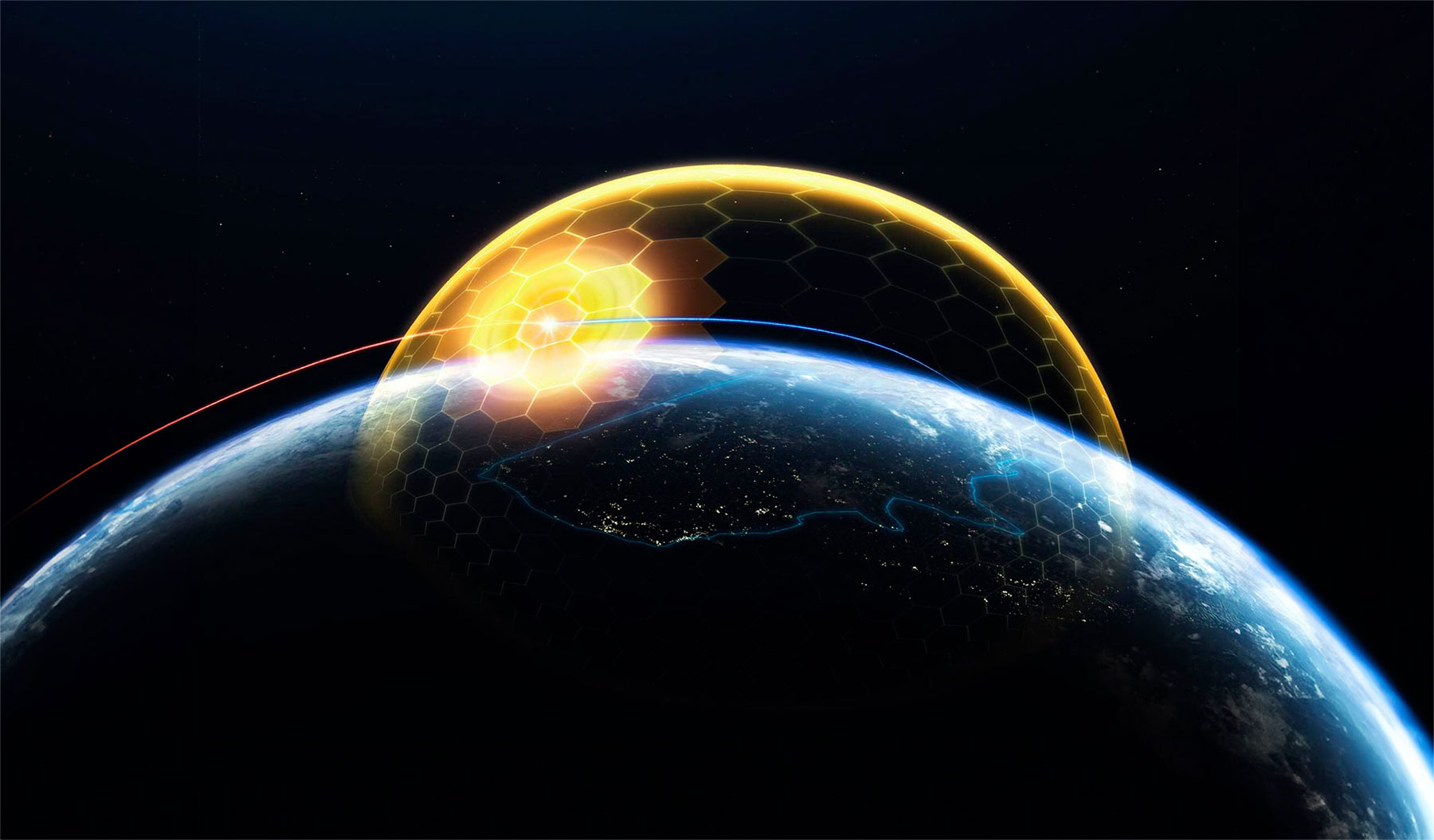
Inspired by Israel’s Iron Dome, Trump signed an executive order shortly after taking office to develop a US “Golden Dome” missile defense system. This project, with a planned cost of $175 billion, aims to integrate ground-based interceptors, fighter aircraft defenses, ship-based systems, and space-based systems under a unified command and control structure. It seeks to establish an unconstrained, global, multi-layered, and multi-domain missile defense system, completely disregarding the principle of the inseparability of strategic offensive and defensive weapons, hence threatening international strategic stability. Both China and Russia oppose this initiative. Russia particularly views it as a Trump version of “Star Wars,” representing a step towards the deployment of strategic weapons in space that would inevitably intensify nuclear competition.
Perceptions and concepts regarding nuclear weapons are also notably shifting in a dangerous direction. Simply put, attitudes toward the use of nuclear weapons and nuclear warfare are becoming reckless. The formula that “nuclear war cannot be won and must not be fought” is facing serious backlash. The fear of nuclear deterrence is diminishing, while irresponsible strategic gambling is increasing. There is a growing tendency to treat nuclear weapons as conventional arms, believing that the use of small tactical nuclear weapons would not cause the commonly perceived nuclear catastrophe, nor necessarily lead to a nuclear war. Some even hold the increasingly accepted view that nuclear war can be fought and won. The significance of this shift in nuclear warfare perception is self-evident. Renowned nuclear scholar S. Plokhy observes that this change in mindset is precisely the primary source of today's nuclear peril. He argues that the generation of Kennedy and Khrushchev keenly understood that the atomic bomb could destroy a nation or even all of humanity. Consequently, they treaded carefully, with their fear of nuclear war consequences playing a decisive role in policymaking. Yet today, some national leaders treat nuclear weapons and war with casual disregard.[13] For instance, the former President of Lithuania publicly declared atomic bombs obsolete and advised citizens to stop fearing the threat of nuclear attack.
Here, the Russia-Ukraine conflict also carries negative implications and consequences: it will make quasi-nuclear states even less likely to abandon their nuclear weapons, stimulating other nations to seek nuclear capabilities, thereby increasing the risk of nuclear proliferation, making the world even more dangerous. Nuclear weapons constitute the ultimate instruments of power, uniquely enabling smaller states to offset strategic asymmetries in relation to major powers. Once small nations possess nuclear weapons, the advantages of larger nations in terms of population, land area, and economic scale are significantly neutralized.[14] Even a small country can exert a deterrent effect on a major power by adopting a posture of "burning the jade and stone together”[15] thereby preventing a major power from taking any rash actions against it.
The Russia-Ukraine conflict has thus dealt a severe blow to the credibility of security assurances provided by major powers. In 1994, the United States, Russia, the United Kingdom, and Ukraine signed the Memorandum on Security Assurances in Budapest. Ukraine renounced its nuclear weapons and joined the Treaty on the Non-Proliferation of Nuclear Weapons, while the United States, Russia, and the United Kingdom pledged to respect Ukraine's sovereignty and territorial integrity and provide security assurances to Ukraine. The outcome is well known. Nevertheless, the Budapest Memorandum was not entirely without merit; it prevented the emergence of a new superpower with nuclear capabilities second only to the United States and Russia. Its tragedy lies in the failure of major powers to deliver on their security assurances. It is understandable that this would foster distrust among smaller nations towards the commitments of major powers, reinforcing the belief that only by possessing nuclear weapons can they ensure their own security. Furthermore, some non-nuclear countries also have projects to develop nuclear weapons, which raises new questions regarding how to ensure compliance with the Nuclear Non-Proliferation Treaty.
The existence and expansion of exclusive military blocs constitute a significant factor in the outbreak of major wars. This factor has not diminished but continues to grow. NATO has established that it will continue its expansion, with Ukraine as the primary target. At the NATO summit in Washington in July 2024, the alliance explicitly declared that Ukraine's accession to NATO is an irreversible direction. Although Ukraine's accession will face multiple obstacles, even if formal membership is not achieved, NATO and Ukraine have already formed a security community, approaching a de facto security alliance. It is foreseeable that after the Russia-Ukraine conflict concludes, NATO and Ukraine will continue to pursue deep security integration.
NATO is also expanding its presence into Asia and the Pacific region, both along continents and across oceans. Through various initiatives such as the Partnership for Peace, NATO Plus, and the Individual Tailored Partnership Program (ITPP), it has established channels to project its military presence and influence into the Asia-Pacific region. This expansion has created a linkage with the US-led security mechanisms in the region. NATO has developed military cooperation with several Asia-Pacific nations, including establishing liaison mechanisms, conducting joint military exercises, engaging in cyber cooperation, and collaborating on fighter jet production. Its warships and fighter jets have appeared in the South China Sea and even the Taiwan Strait. Across the Eurasian landmass, NATO has extended its reach into the Caucasus, Central Asia, and Mongolia. Across the oceans, NATO has reached Australia, New Zealand, Japan, South Korea, South Asia, and Southeast Asia. The organization’s objective in the Asia-Pacific is not to recruit new members but to pursue functional expansion. Its relationships with various countries vary in depth, with the closest and most substantive ties being those with Japan, South Korea, Australia, and New Zealand. Its direction is unambiguous: targeting China, Russia, and North Korea—a fact NATO does not hide. NATO's penetration and expansion into the Asia-Pacific region introduce new security risks to the area.
Nuclear Boomerang
Donald Trump's return to power in January 2025 delivered a seismic shock to international politics. US-European and US-Russian relations underwent sudden transformations: ties between the US and Europe fractured, while engagement with Russia resumed. The validity of certain established concepts was shaken, including the Atlantic alliance—a pillar of US foreign policy—with NATO bearing the brunt of the impact. Nevertheless, it is reasonable to conclude that the exclusive US-European military alliance will persist and continue to evolve, albeit in altered forms. Even if the United States partially withdraws from European security affairs, Europe will maintain its own military bloc targeting Russia through its own capabilities.
As attention to European security wanes, the United States is accelerating its strategic pivot towards the Asia-Pacific region. The de-emphasizing of the Atlantic alliance represents merely a shift in the strategic focus of the US, not an abandonment of its alliance policy. Unlike the Atlantic alliance, the United States cannot establish a unified alliance in the Asia-Pacific. Instead, it primarily builds a composite alliance network through bilateral alliances and small multilateral partnerships. Its objective is squarely aimed at China, not Russia—a fact the United States now openly acknowledges. At the Shangri-La Dialogue in May 2025, US Secretary of Defense P.B. Hegseth openly challenged China, urging Asian nations to align with the United States in jointly addressing the “threat” posed by China.
Regional conflicts are major factors affecting international and regional security. Globally, the present and foreseeable future remain periods of frequent regional armed conflicts, including in Eurasia, the Middle East, East Asia, South Asia, and Africa. Looking ahead, even after the Russia-Ukraine conflict and the Israel Hamas conflict come to an end, peace will remain fragile, leaving behind smoldering embers that could easily reignite. Regional conflict hotspots show no signs of diminishing and are unlikely to disappear.
Traditional drivers of insecurity, conflict and war in the international system persist. Advances in technology and shifts in profit-making methods have not rendered traditional war objectives obsolete, while simultaneously introducing new risks that could provoke conflicts. Terrorism, extremism, and separatism remain as real dangers. Scientific and technological progress has revolutionized warfare, with tools like cyber, information, artificial intelligence, and unmanned technologies creating new forms of conflict. The scope of warfare is expanding beyond traditional battlefields into broader domains, including cyberspace, outer space, the polar regions, and the deep sea. The rapid advancement of artificial intelligence technology introduces a significant new factor into future international security considerations. Its widespread military application is inevitable, though the extent of its capabilities remains difficult to fully assess at present. The depth and nature of its impact on international security also remain uncertain.
Artificial intelligence is a technology that can have both positive and negative effects, depending on how it is applied. Considering the characteristics of artificial intelligence—particularly unmanned systems—it can be concluded that, due to their flexible applications, low cost, high efficiency, ease of production and operation, difficulty of interception, and the uncertainty surrounding the identity of the attacking entity, as well as their capacity to avoid direct military engagement and minimize casualties among one’s own personnel, such technologies possess distinct advantages in modern warfare. Moreover, as artificial intelligence technologies can effectively offset the advantages of dominant powers and compensate for the weaknesses of less advantaged actors, their military application is more likely to serve as an additional instrument of warfare—stimulating the emergence of new forms of conflict and increasing the likelihood of war—rather than reducing it. This is especially true given that AI currently operates in a “lawless jungle” phase and possesses the potential to slip beyond human control.
In addition, the disintegration of international order has significantly weakened the mediating and constraining power of international institutions and mechanisms. Existing rules are frequently violated, making war an increasingly reckless and frequent tool for resolving disputes. Overall, there is reason to believe that a more insecure and unstable world is emerging. However, it should be clarified that the above observations on international security issues are presented from a predominantly negative perspective. This does not imply the absence of positive factors, nor does it suggest that the world is entirely bleak. Powerful forces for peace still exist globally, and opposition to war has become an unchallengeable shared value—this is self-evident.
The Three-Body Problem
Pathways to International Security
So how can the world emerge from this perilous state and become safer? There is no magic formula, nor will miracles occur. This can only be a long and arduous process. Particularly with the Russia-Ukraine conflict still ongoing and its outcome uncertain, the global security order remains in a state of disarray. Until relations between the United States, Europe, and Russia stabilize, the prospects for international security remain shrouded in uncertainty.
Establishing a comprehensive common security system is the most ideal, yet also the most challenging option. The international security system does not refer to a specific security arrangement but rather should be a comprehensive system encompassing concepts and principles, frameworks and mechanisms, rules and norms that are widely accepted by the international community. Proposing an ideal and perfect design is not difficult, but solving real-world problems is fraught with difficulties. The international community feels profoundly powerless in this regard. Although many countries have made considerable efforts, building a relatively unified, systematic, and holistic international security system remains a distant dream in the foreseeable future. Major powers each envision different forms of international security systems, holding divergent—even opposing—ideologies and stances. The situation is not evolving towards seeking common security as a shared goal, but rather reverting with greater inertia to traditional paths. Security mechanisms are fragmenting and polarizing, rather than coalescing into a coordinated common security framework.
Nevertheless, building a relatively universal international security system should remain a long-term goal, and the international community must strive tirelessly towards this end. This is not a pursuit of some abstract ideal, but rather because it maximizes security for the world. Humanity should always hold such an ideal; it represents the direction toward which human rational progress should advance.
There is a widespread view that the international security system is both unreliable and useless, and therefore unnecessary, leaving nations to rely solely on their own strength to ensure their security. This reflects the essence of the realistic school of thought, and it is a reasonable view. However, in the absence of an established international security system, if all countries pursue absolute security, the cycle will never end. In other words, this amounts to a return to a world governed by the “law of the jungle,” representing a civilizational regression that runs counter to the demands of progress in our era. In practice, this would ultimately lead to global chaos and disorder, leaving nations to live in an even more insecure international environment.
Judging from the characteristics of past security mechanisms, no matter what the approach, their role has been to restrict the occurrence of war externally, and it is difficult to solve the root cause of war as it is not singular and far exceeds the scope that security mechanisms can control. Moreover, some security mechanisms, although established to prevent the occurrence of war, have themselves become factors stimulating the occurrence of war, creating a security paradox. For instance, exclusive military alliances make other countries feel insecure, thus stimulating them to expand their military capabilities and seek alliances to counterbalance them, leading to an arms race and conflict.
The development of the international security system requires both innovation and learning from history—drawing on beneficial experiences and lessons to avoid past mistakes while moving forward. In fact, most fundamental elements of international security have emerged before and remain relevant today. Though the environment, technology, and human conditions have changed, certain aspects of human nature remain constant, and physical forces persist. The basic content and nature of state-to-state relations have not fundamentally changed. It is essential to build upon existing lessons and experiences to advance in step with the progress of our times and adapt to the new global security landscape. This entails both creating new concepts and mechanisms for safeguarding peace, as well as leveraging time-tested approaches that remain effective.
Among the existing historical experiences, apart from the international system centered on the United Nations established after World War II, the most instructive lessons are the Westphalian principles of sovereignty and non-interference in domestic affairs, together with the great-power concert established by the Vienna system. Respecting sovereignty and not interfering in state affairs not only remains an important guarantee for reducing international conflicts but is even more necessary now than ever before. Coordination among major powers significantly reduced the frequency of wars in nineteenth century Europe. Consequently, it is now receiving renewed attention as a model for international relations worth emulating. Some have even proposed establishing a new global cooperation mechanism among major powers, arguing that this represents the best approach to safeguarding world security.
Among history’s lessons, the most pertinent today is the harm wrought by closed, exclusive, and adversarial military alliances. This factor precipitated both World Wars and remains a key backdrop to the Russia-Ukraine conflict. In fact, there is a view that the cause of the conflict between Ukraine and Russia arises not merely from NATO’s expansion toward Russia, but, more significantly, from Russia’s exclusion from the alliance. Therefore, reducing the influence of exclusive and adversarial military alliances is crucial in building international peace. Regrettably, despite history having provided so many painful experiences, it is difficult to say that the West has drawn the correct lessons from them. Or rather, it has reached precisely the opposite conclusion, thinking wars do not arise from the expansion of military blocs, such as NATO, but rather from insufficient expansion.
Security systems are macro-level constructs, but security itself is concrete. If specific security issues cannot be resolved, the security system loses its meaning. In this particular era, marked by frequent armed conflicts and a chaotic international order, the practical path to building an international security system lies in addressing concrete problems.
Undoubtedly, the foremost priority is to extinguish the flames of war, bring an end to ongoing conflicts, and prevent the emergence of new armed confrontations. While wars continue to rage and parties remain locked in combat, the establishment of a security system remains merely theoretical. Only by ending wars can the construction of such a system be truly realized in practice. Moreover, this very objective constitutes the very essence of building an international security framework.
Major powers play a pivotal role in international security, constituting the very core of it. The principal issues in international security revolve around relations among major powers, such as nuclear arms control, missile defense, outer space security, cybersecurity, and artificial intelligence security, among others. At the regional security level, major powers wield equally significant influence. On the positive side, their role in resolving regional conflicts and maintaining stability is irreplaceable. On the negative side, they can also become major obstacles to resolving regional conflicts, or even the very cause of such conflicts.
The trajectory of major power relations determines the future of the international security system. The formation and structure of this system depend entirely on the nature of these relations. Major power relations can take various forms: they may be cooperative partnerships, ordinary normal relations, or adversarial confrontations. Similarly, international security systems can be structured in different ways; they may be collectively built, negotiated and compromised between opposing parties, or naturally formed through the interconnection of distinct regional security systems. The model of the security system depends on the characteristics of major power relations; in other words, the nature of major power relations determines the nature of the security system that can emerge.
International security systems can emerge under varying states of relations among major powers, not only when their relations are favorable. All major powers cannot be expected to fundamentally improve their relations; historically, harmonious coexistence among all major powers has been rare, with competition and conflict being more common. Yet, in a certain sense, this very reality underscores the necessity for international security systems. Take Europe for example: despite vastly different major power dynamics in the nineteenth century, during the Cold War, and in the post-Cold War era, Europe has consistently developed security frameworks, albeit with varying structural characteristics. Of course, a state of war presents an entirely different scenario where no security system can function—as exemplified by current relations between Russia and NATO. For them, the present objective is to overwhelm or defeat the other party, not to jointly establish a security system.
Although the conditions for establishing an international security system are not yet in place, major powers can explore cooperation opportunities in specific areas of critical importance to international security. These include arms control, nuclear non-proliferation, missile defense, cybersecurity, artificial intelligence security, outer space security, polar security, and others. Each of these specific domains constitutes a component of the international security system, and progress in any of them contributes to the formation of such a system.
In resolving regional conflicts and maintaining regional security, regional powers and organizations hold indispensable positions. Without their participation, resolving regional security issues is impossible. A notable phenomenon in contemporary international politics is the emergence of the concept of “medium-sized powers,” reflecting the aspirations of regional powers to exert greater influence in both international and regional affairs. Concurrently, against the backdrop of a fragmented and loosening international order, the role and influence of regional organizations are on the rise.
Under the current international political structure, it is virtually impossible to establish an international security system by a top-down approach. No single country or group of nations can independently construct a security framework that would gain global acceptance. Nor is it feasible for them to unite and jointly create a new international security system, as occurred following the First and Second World Wars.
Under current conditions, the formation of relatively independent regional security systems represents a primary trend. This involves designing security frameworks and establishing security mechanisms from a regional perspective, with the goal of safeguarding regional security. This approach is reasonable, as security challenges vary across regions. Each region constitutes a relatively independent security entity with its own specific security issues, prompting them to prioritize mechanisms that ensure their own security. Improvements in regional security are integral to enhancing the international security environment. However, if a region hosts multiple incompatible security mechanisms that oppose and confront each other rather than coexist, these mechanisms themselves become sources of insecurity. Moreover, exclusive and expansionist regional security frameworks may pose threats to other nations or regions.
Proposing a new pan-European security system at present is impractical. However, following the resolution of the Russia-Ukraine conflict, relations between Russia and Europe will gradually recover, and the need for a new European security framework will resurface. While establishing a unified European security system holds no realistic possibility, a common ground can be found between them—namely, the shared desire to prevent war. Under this common ground, Russia and Europe may find a compromise that allows their two security philosophies to coexist. However, this does not require restoring relations to pre-war levels. During the Cold War, the opposing US-USSR military blocs managed to coexist, and this period actually represented a relatively stable phase in the development of the international security system. Russia has proposed the concept of establishing a Eurasian security system. According to Russia's vision, this system would also be open to European nations. However, there appears to be no possibility of major European countries such as the UK, France, Germany, and Italy to join in, making it unlikely to become a pan-European security framework. The composition of the European security system is more likely to revert to the Cold War model, where compromise is achieved based on strategic balance between opposing sides.
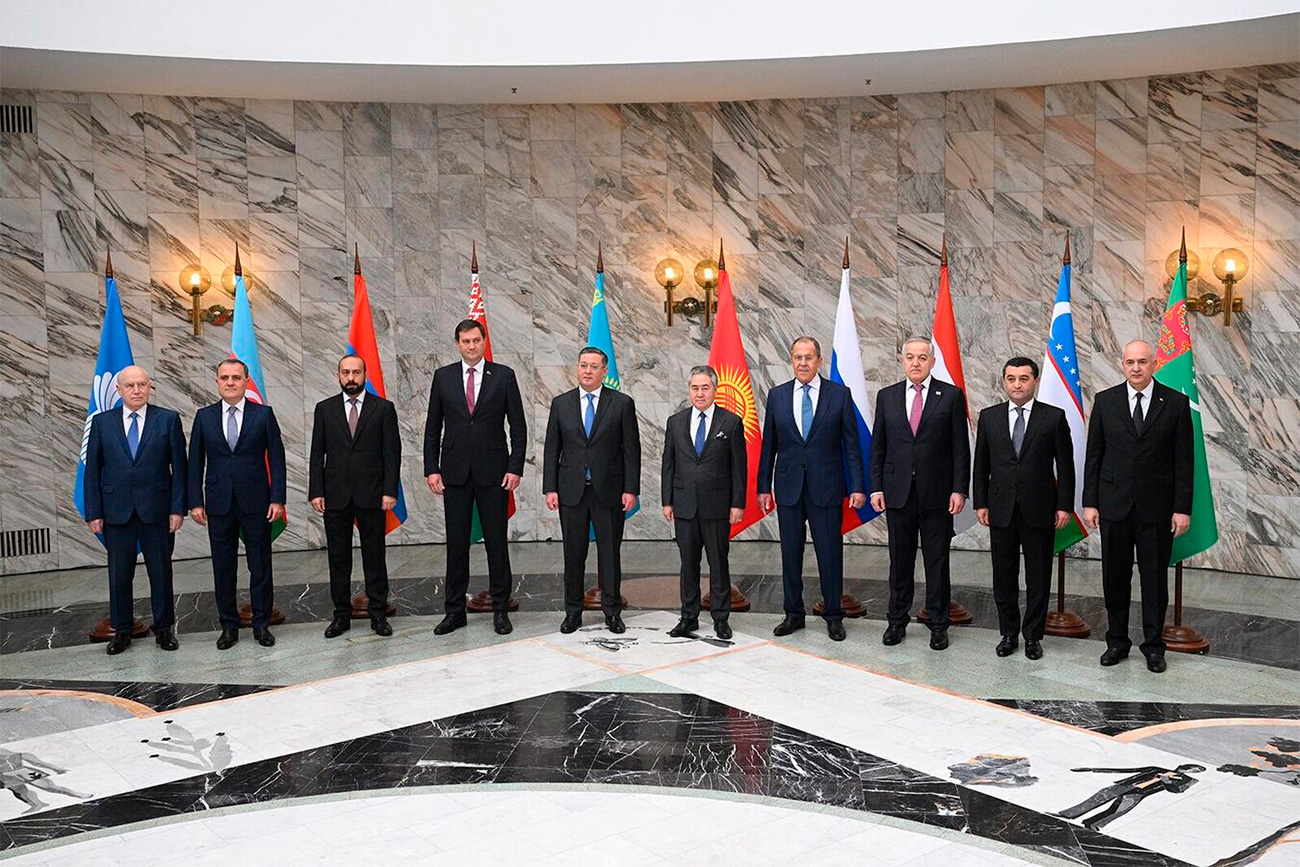
Regardless of what future visions for international security may hold, their starting point must be ending the ongoing wars. Multiple security hotspots exist worldwide today, but the most pressing threats to overall international security is the Russia-Ukraine conflict and the situation in the Middle East. Both crises, in terms of scale and impact, affect not only regional security but also global stability. They have caused divisions and confrontations among nations in international politics, even undermining normal state relations. Both conflicts carry the potential to escalate into major wars, particularly the Russia-Ukraine conflict. Should NATO engage more deeply and directly in Ukraine, the Russia-Ukraine conflict would inevitably intensify, possibly evolving into a full-out European war. This would fundamentally alter the global security landscape, and the risk of nuclear war could not be ruled out.
In terms of potential dangers, the Asia-Pacific region faces the greatest risks. Although the region remains largely stable at present, turbulent currents lie beneath the surface. As the United States accelerates its security pivot to the Asia-Pacific region by intensifying its military deployments, and adopting increasingly overt, bold, and direct intentions towards China, security risks continue to accumulate and escalate. Should these risks erupt, the region would become the epicenter of the next wave of turmoil. Therefore, from an international security perspective, the paramount challenges urgently requiring a solution are as follows: how to bring an end to the Russia–Ukraine conflict; how to prevent large-scale military confrontation in the Asia–Pacific; and how to avert negative security spillover effects between the two regions—where efforts to ease tensions in one may inadvertently exacerbate instability in the other.
Conclusion
Peace and security stand as the most vital themes in human existence. To avert war and preserve peace, thinkers have proposed myriad concepts, the international community has experimented with diverse security mechanisms, and various security models have emerged. Yet war remains impossible to eradicate entirely, and the idea of “perpetual peace” exists as nothing more than an ideal.
The end of the Cold War fostered a sense of optimism, but since the late twentieth century, the world has entered a new cycle of conflict. This period has witnessed conflicts in Yugoslavia, Afghanistan, Iraq, Libya, Syria, and Georgia, all culminating in the ongoing Russia-Ukraine conflict and Israel’s recent campaign against Hamas.
The future international security landscape remains grim. A Cold War mentality continues to dominate Western strategic thinking, as geopolitical competition intensifies, and the world is drawn further into a new nuclear arms race. The emergence of new forms of hybrid warfare driven by high-tech advancements, coupled with the existence of several high-risk hotspots, collectively poses serious potential threats to international peace and stability.
In the foreseeable future, establishing a relatively integrated international security system will be fraught with difficulties. However, the international community cannot simply let things take their course and revert to a “lawless jungle era.” Instead, it must strive to find ways to prevent war and achieve lasting peace. To this end, it is necessary to promote new security concepts while also drawing on beneficial and effective practices from historical experiences and lessons. Major power relations are a key factor in shaping the international security system. In a sense, the nature of major power relations determines the nature of the international security system. When major powers are not yet able to reach strategic compromises, they can negotiate on other specific security issues. Regional conflicts are an important manifestation of international security. In resolving regional conflicts and maintaining security and stability, the role of regional powers and organizations is extremely important and irreplaceable. The concept of security is broad, but security itself is concrete. Security development needs to start with specific issues. In the current situation, ending the major ongoing conflicts is a key first step and precondition in building a comprehensive international security system. Among all the security guarantee mechanisms, and on the basis of maintaining a reasonable capacity for self-defense, establishing positive relations between countries and forming mutual trust is the simplest and wisest approach to stable security. Yet as of now, this fundamental path to safety remains overlooked and forgotten.
1. This phrase can be attributed to both Napoleon and Clemenceau. Barbara W. Tuchman. The Guns of August. Translated by Zhang Daiyun et al., Shanghai Sanlian Books, 2018, P. 9.
2. Renowned economist John Maynard Keynes pointed out at the time that Germany could not afford these imposed reparations. If the intention was to deliberately plunge Central Europe into poverty, the moment of final conflict would inevitably come soon. A new war would destroy civilization, regardless of who emerged victorious. Todd Buchholz and Martin Feldstein. New Ideas from Dead Economists. Translated by Feng Jun, China Science & Technology Press, 2024, P. 263.
3. Marshal Ferdinand Foch, who served as Chief of the French General Staff during World War I, held this view and uttered a widely quoted maxim: “This is not peace, it is a 20-year truce.” Winston Churchill. Memoirs of the Second World War, translated by Jiang Ling, published by Zhongnan Publishing Media Group, Democracy and Construction Press, 2017. P. 428.
4. Henry Kissinger. World Order. Translated by Hu Liping, Lin Hua, and Cao Aiju, China CITIC Press, 2015. P. 97–98. Renowned economist John Maynard Keynes pointed out at the time that Germany could not afford these imposed reparations. If the intention was to deliberately plunge Central Europe into poverty, the moment of final conflict would inevitably come soon. A new war would destroy civilization, regardless of who emerged victorious. Todd Buchholz and Martin Feldstein. New Ideas from Dead Economists. Translated by Feng Jun, China Science & Technology Press, 2024, P. 263.
5. Anthony Pagden. The 2500-Year Struggle between East and West. Translated by Fang Yu, Democracy and Construction Press, 2018. P. 399.
6. Reports have summarized various factors contributing to the rise of nuclear dangers, which are as follows: 1. Competing and irreconcilable narratives that heighten the sense of threat; 2. Trust crisis; 3. Domestic political needs; 4. Alliance politics; 5. Close military encounters; 6. Interruption of communication channels; 7. Failure of safeguards against the use of nuclear weapons; 8. Disparity in conventional forces; 9. Unrestrained nuclear threats; 10. Lack of nuclear experience. Robert E. Berls, Jr., and Leon Ratz. Rising Nuclear Dangers: Assessing the Risk of Nuclear Use in the Euro-Atlantic Region. NTI Paper. 2015. P.1.
7. Barbara W. Tuchman. The Guns of August. Translated by Zhang Daiyun et al., Shanghai Sanlian Books, 2018, P.12.
8. James Joll and Gordon Martel. The Origins of the First World War. Translated by Xue Zhou-tang, Commercial Press, 2022. Pp. 354.
9. Ibid., Pp. 358.
10. Herfried Mukler. Die Logik Der Weltherrschaft. Vom Alten Rom Dis Zu De Vereinigten Staaten. Translated by Cheng Weiping, Social Sciences Academic Press, 2021. Pp. 120.
11. This phrase is often attributed to former US President Woodrow Wilson, however this is a historical misattribution. Wilson never uttered these words; their true origin likely lies in work of British author H.G. Wells, The War That Will End War.
12. Yuval Harari. A Brief History of Tomorrow. Translated by Lin Junhong, CITIC Press, 2017, Pp. 15–16
13. Serhii Plokhy. Nuclear Folly. A New History of the Cuban Missile Crisis. Translated by Sun Ning and Wang Zicheng, Guangdong People's Publishing House, P.6.
14. Herfried Mukler. Die Logik Der Weltherrschaft. Vom Alten Rom Dis Zu De Vereinigten Staaten. Translated by Cheng Weiping, Social Sciences Academic Press, 2021. p. 174.
15. The Chinese idiom “玉石俱焚” translates literally to “the jade and the stone are burned together.” It is used when both sides suffer total loss, especially when someone is willing to destroy everything—even themselves—to harm their opponent.
(votes: 6, rating: 4.33) |
(6 votes) |
Five questions regarding China-Russia relations and Chinese policy through the prism of the Russia-Ukraine conflict
Hybrid War and Hybrid PeaceThe termination of hybrid wars and their transformation into a hybrid peace is the fundamental problem of modern diplomacy
A Dangerous Gamble: The Russia-American Nuclear Game in the Ukraine CrisisAs the world's two super-nuclear powers, the relations of Russia and the U.S. are inseparable from nuclear risk
The World in 2035: The Good, The Bad, and The UglyIs it possible to restore the acceptable level of global and regional governance on the “bottom-up” basis, that is, through a set of tactical, situational, transactional agreements on individual specific issues?
World Order Transformation: Economy, Ideology, TechnologyIt would be unrealistic to expect that the future world order will be free of conflict. The world will retain its diversity, with different potentials of countries and their competition
Eurasian Security as a Communicative Practice: Tasks for Russia and ChinaDeveloping a new, understandable language of “sustainable security” in Eurasia, thanks to which everyone will be able to contribute to solving and anticipating common problems in their own way, is necessary
Eurasian Security Architecture: Five Questions and Five AnswersWe are not angels, and therefore we cannot teach others from above. What we can do is think about a better future and create it together, instead of relying on of others
Nuclear Doctrine and Strategic StabilityIn parrying these security threats, it is important for Russia not to engage in a quantitative and tit-for-tat arms race but to respond asymmetrically, a strategy that has often proven successful in the past
Three Years of Conflict: Results for UkraineIf Ukraine fails to find a way out of the conflict, even after enduring significant damage and losses, it risks further erosion of its sovereignty
Three Years of Stress Test: Interim Results for RussiaThe achieved results and existing limitations create an incentive for Washington and Moscow to discuss a potential peace. Nevertheless, both sides retain the material resources necessary to sustain the confrontation
The Three-Body ProblemIf Moscow and Beijing decide they can afford to show understanding for U.S. efforts to ensure its own security, this step must be reciprocated
Can Nuclear Weapons Help Avert a Russia-NATO War?The possibility of a return to extreme-era dynamics cannot be dismissed
Nuclear BoomerangThere Are Neither Eternal Allies, Nor Perpetual Enemies, But Only Nuclear Arms Are Eternal and Perpetual