
Escalation of EU Energy Sanctions: The Eighteenth and Nineteenth Packages
In
Login if you are already registered
(no votes) |
(0 votes) |

Ph.D. in Political Science, Director General of the Russian International Affairs Council, RIAC member
The eighteenth package of EU sanctions was marked by a focus on the energy sector. From the very beginning of the Special Military Operation (SMO) in 2022, Brussels has placed particular emphasis on measures restricting the Russian fuel and energy sector. Bans were introduced and expanded on energy imports, on the export of equipment and technology for the oil, gas, and other industrial sectors, and on investments in the energy sector. Targeted restrictions were introduced against individual companies and oil tankers. Such restrictions were expanded to varying degrees in the nineteenth package. However, its distinctive feature was the escalation of secondary sanctions against partners of the Russian fuel and energy sector in friendly countries. This trend may continue in the future.
So far, secondary sanctions against Chinese and Indian companies, as well as secondary tariffs, have hardly made a significant impact on relations between New Delhi and Beijing and Western governments. The global leaders have not taken any retaliatory measures. On the other hand, there are no signs that either of these buyers of Russian oil intends to comply with the demands of the sanctions-initiating countries. Secondary sanctions could impact businesses in these countries. In some cases, large companies are reaching agreements with Western regulators in an attempt to evade sanctions, while others are strengthening compliance to avoid them. However, Russian supplies are important for both countries, so their acceptance may be continued by other companies or by those focused exclusively on the Russian market. In any case, further escalation against the Russian energy sector is expected in the future. The economic competition between “bullets and armour” continues.
The eighteenth package of EU sanctions was marked by a focus on the energy sector. From the very beginning of the Special Military Operation (SMO) in 2022, Brussels has placed particular emphasis on measures restricting the Russian fuel and energy sector. Bans were introduced and expanded on energy imports, on the export of equipment and technology for the oil, gas, and other industrial sectors, and on investments in the energy sector. Targeted restrictions were introduced against individual companies and oil tankers. Such restrictions were expanded to varying degrees in the nineteenth package. However, its distinctive feature was the escalation of secondary sanctions against partners of the Russian fuel and energy sector in friendly countries. This trend may continue in the future.
The Russian energy sector became a target of EU sanctions long before the start of the Special Military Operation in 2022. As early as 2014, amid the events in Crimea and Donbass, the EU and other sanctions initiators used sectoral sanctions against the Russian fuel and energy sector. These included restrictions on long-term financing for certain large energy companies, as well as elements of export controls and financial restrictions for Arctic and shale oil projects. However, such restrictions were more for signalling and symbolic in nature—at least if compared to the “sanctions tsunami” that followed the start of the Special Military Operation. Since February 2022, restrictions on the domestic fuel and energy sector have been steadily expanding. This escalation has occurred on several fronts.
First, the large-scale export controls. The energy sector was affected by both general restrictions imposed on Russia as a whole (double-purpose goods, a wide range of industrial goods and equipment) and export bans specifically targeting the fuel and energy sector. In particular, equipment for oil refining and gas liquefaction.
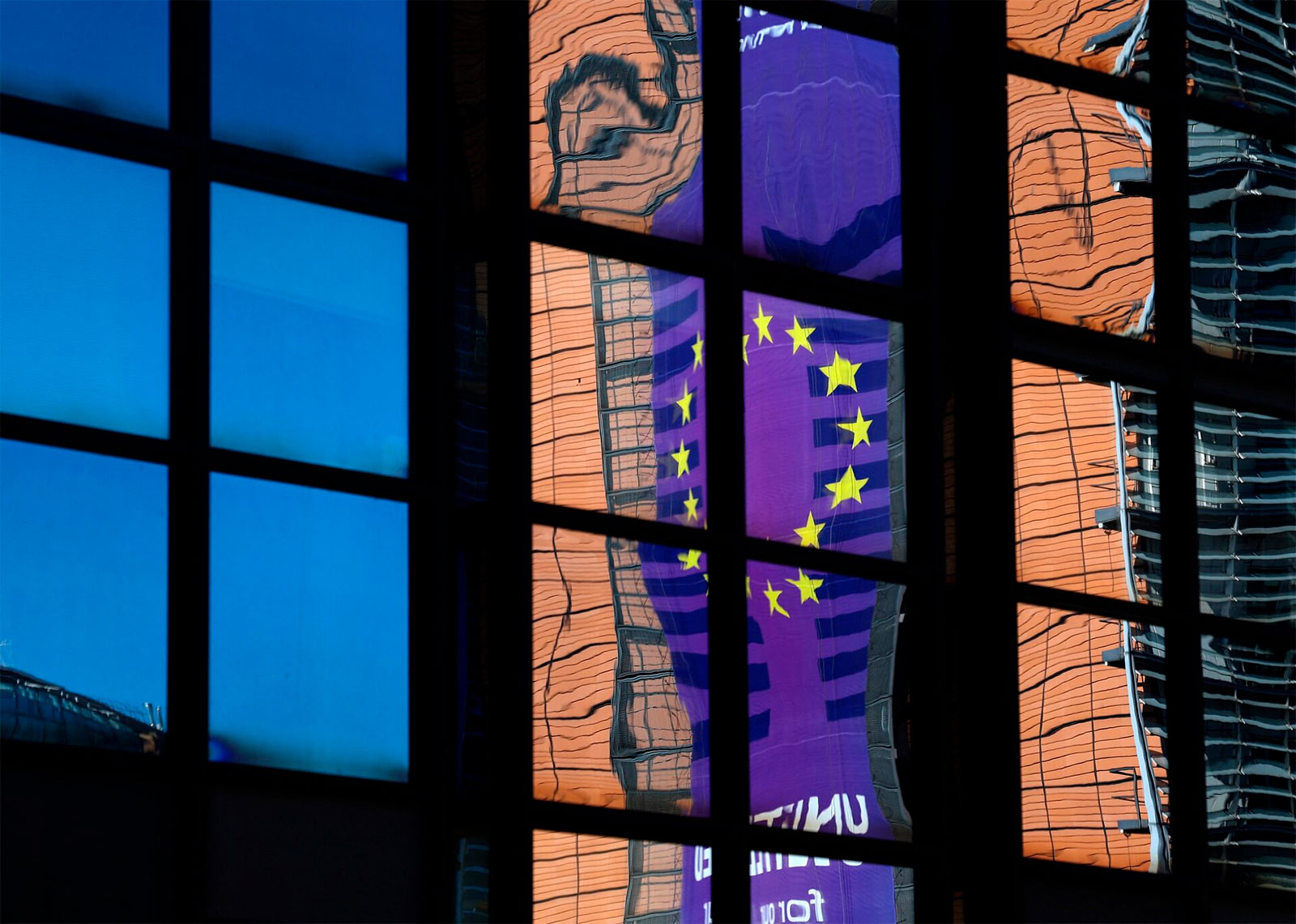
Eighteenth EU Sanctions Package: One of the Strongest?
Second, a ban on the import of Russian energy products. Starting in 2022, import bans on Russian crude oil and petroleum products have been introduced in stages (exceptions were made only for landlocked EU countries receiving oil via pipelines without the right to transfer this oil to other EU countries or third countries). EU participation in the trade of Russian oil and petroleum products, as well as their transportation to third countries, was restricted. The storage of Russian oil and LNG in the EU was prohibited. In the nineteenth package, the import ban was extended to liquefied natural gas; previously, it had been applied to the trans-shipment of Russian LNG in the EU.
Third, a ban on the purchase and transportation of Russian oil and petroleum products to third countries was introduced if the contract price exceeds the established price cap. For a long time, this cap was set at $60 per barrel of crude oil. However, in 2025, the EU introduced a floating cap mechanism, which changes depending on the oil price. It is currently $47. Notably, Russia prohibits participation in transactions that require compliance with the price cap.
Fourth, there are attempts to restrict Russian energy transport. Russian entities are prohibited from buying tankers. A campaign is underway to target the so-called “shadow fleet”—tankers that, according to EU authorities, are used to transport Russian oil. A list of such vessels is maintained. Currently, there are over 500 of them, and it is expanding with each new sanctions package. It is forbidden to purchase or sell these vessels within EU jurisdiction, and Europeans are prohibited from operating or manning such vessels, from insuring and servicing them, and from trans-shipping cargo from such vessels on the high seas. Vessels that trans-ship oil at sea or conceal its transportation are also prohibited from accessing EU ports. In addition, a ban on the transportation of natural gas through the Nord Stream 1 and Nord Stream 2 pipelines is in effect.
Fifth, blocking financial sanctions are imposed on both Russian entities involved in the energy sector and their partners in third countries. In the latter case, this also includes secondary financial sanctions. A specific feature of the nineteenth and eighteenth packages is the escalation of secondary sanctions related to Russia.
The concept of secondary sanctions is not defined in EU legislation. It is used more as a political concept. However, in a narrow sense, it can be understood as the use of blocking financial sanctions and other restrictive measures against those in third countries who cooperate with Russian partners. The EU law does contain grounds that can be used to impose secondary sanctions. These include the provisions of Article 3 of Regulation (EC) 269/2014, which defines the grounds for imposing blocking financial sanctions. These include the circumvention of EU sanctions, undermining Ukraine’s sovereignty, connections with Russian government structures, etc. The Regulation does not specify the nationality of these individuals. This means that they could also be individuals from third countries, meaning these restrictions could be used as secondary sanctions. Furthermore, Regulation (EC) 833/2014 also contains a number of secondary sanctions mechanisms. The basis for their application may include, for example, the use of the Russian financial messaging system (applied to banks), the filing of claims in Russian arbitration courts by individuals under sanctions against EU individuals, etc. In practice, financial sanctions mechanisms are primarily relevant for the energy sector.
Before the launch of the SMO, the EU criticised secondary sanctions. However, after February 2022, it began to increasingly use them against individuals in third countries with ties to Russia. As with the US, the EU’s primary target for a long time was suppliers of export-controlled goods and industrial products to Russia that circumvented EU export controls. However, since July 2025, a trend has emerged of escalating secondary sanctions against Russia’s partners in the energy sector.
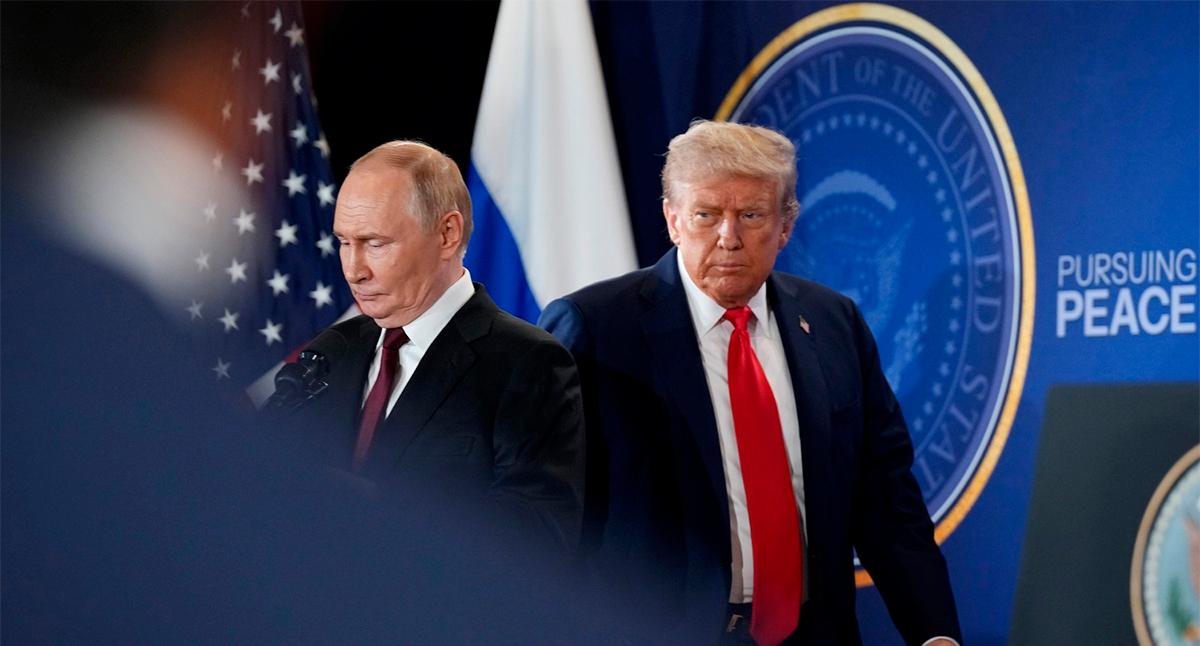
New Sanctions as a Political Signal
For example, the eighteenth package of sanctions included legal entities in third countries that, according to EU authorities, are involved in the transportation of Russian oil. These include Bellatrix Energy and Zhu Jiang (China), the Intershipping Services (India and the UAE), Twister Shipmanagement (UAE), Admiral Group (UAE), Milavous Group (UAE), 2 Rivers PTE (UAE, including its Singapore branch), Monolink, Tarabya, Aqua Ship Management (Azerbaijan), as well as Redbird Corporate Services and Sapang Shipping (Mauritius). This trend continued in the nineteenth package. MSTA International Maritime Registers and Regulatory (Belize), International Maritime Ship Registry (UK), and Aruba Maritime Administration and Offshore Company Registry (US) were blocked. Such blockages are unlikely to cause significant problems for Russia. In third-country jurisdictions, new companies will likely take the place of the blocked companies.
In the last two packages, the sanctions against buyers of Russian oil, including oil refineries, can be considered a more noticeable escalatory step. The eighteenth package blocked the Indian company Nayara Energy, the operator of an oil refinery co-owned by a Russian oil company, as stated in Regulation 269/2014. The nineteenth package targeted the Chinese oil refinery Shandong Yulong Petrochemical, as well as ChinaOil, a buyer of Russian oil.
The UK and the US also took escalatory steps against the Russian energy sector and its partners abroad. Both London and Washington imposed blocking sanctions against two major Russian oil companies. The US took this step after a nine-month pause in sanctions against Russia. The UK, like the EU, imposed blocking sanctions against Chinese companies cooperating with Russia. Among them are China’s National Pipeline Group Beihai Liquefied Natural Gas (cooperating in the LNG sector), the aforementioned Indian Nayara Energy, and China’s Shandong Baogang International Port, Shandong Yulong Petrochemical (also blocked by the EU), Shandong Haixin Port, and Shandong Jingang Port (for accepting vessels carrying Russian oil). The United States, for its part, imposed so-called secondary tariffs—additional duties on purchases of Russian oil—against India on August 6, 2025.
So far, secondary sanctions against Chinese and Indian companies, as well as secondary tariffs, have hardly made a significant impact on relations between New Delhi and Beijing and Western governments. The global leaders have not taken any retaliatory measures. On the other hand, there are no signs that either of these buyers of Russian oil intends to comply with the demands of the sanctions-initiating countries. Secondary sanctions could impact businesses in these countries. In some cases, large companies are reaching agreements with Western regulators in an attempt to evade sanctions, while others are strengthening compliance to avoid them. However, Russian supplies are important for both countries, so their acceptance may be continued by other companies or by those focused exclusively on the Russian market. In any case, further escalation against the Russian energy sector is expected in the future. The economic competition between “bullets and armour” continues.
First published in the Valdai Discussion Club.
(no votes) |
(0 votes) |
We live in the realities of 2025, when increased efforts do not result in proportional damage
New Sanctions as a Political SignalUkraine will have to pay the price for the hawks’ triumph


