
New Sanctions as a Political Signal
In
Login if you are already registered
(votes: 3, rating: 5) |
(3 votes) |

Ph.D. in Political Science, Director General of the Russian International Affairs Council, RIAC member
Apparently, the US sanctions are ushering in a new phase. The military conflict will continue, and the parties will seek more favourable positions for negotiations that may sooner or later resume. The hawks in the Western camp have succeeded in shifting the American policy machine in their favour. The only difficulty is that Russia is unlikely to change its political course, and Ukraine will have to pay the price for the hawks’ triumph.
A new wave of sanctions against Russia has captured global attention, with the European Union’s 19th package taking centre stage. Brussels had been working on it for a long time; Slovakia blocked its adoption back in late September, and Hungary also voiced objections. However, a new version of the package was ultimately adopted.
The impact of these measures is unlikely to be catastrophic for the Russian economy. Moreover, the target of these new measures was clear to Moscow. The list of individuals subject to blocking financial sanctions has been expanded once again, while the inclusion of industrial companies has become a routine occurrence. Of particular note are the secondary sanctions against Chinese companies involved in purchasing and refining Russian oil – an EU attempt to pressure Chinese businesses into abandoning Russian raw materials. Whether it will succeed remains a big question. China benefits from these oil imports, and external interference could irritate Beijing and provoke retaliatory measures.
Sanctions against Russian banks have been expanded, but since the financial sector is already under comprehensive US restrictions, Brussels’ measures are unlikely to make much of a difference. The list of sanctioned oil tankers has also grown, though with dubious results – the “shadow fleet” will remain in the shadows for the EU. Restrictions are expanding on financial institutions in third countries that do business with Russia; several foreign institutions using the Russian SPFS (the equivalent of SWIFT), as well as the MIR and SBP systems, have been targeted.
Export controls are being strengthened, with new goods banned for export to Russia added to the annexes of Regulation 833/2014. However, compared to the measures introduced in 2022-2023, these additions are a drop in the bucket. The package also includes a ban on providing services to the Russian tourism sector and introduces restrictions on the movement of Russian diplomats – a measure well-known to Cold War veterans. A notable new ban is on the import of Russian liquefied natural gas, a move that had been anticipated for some time.
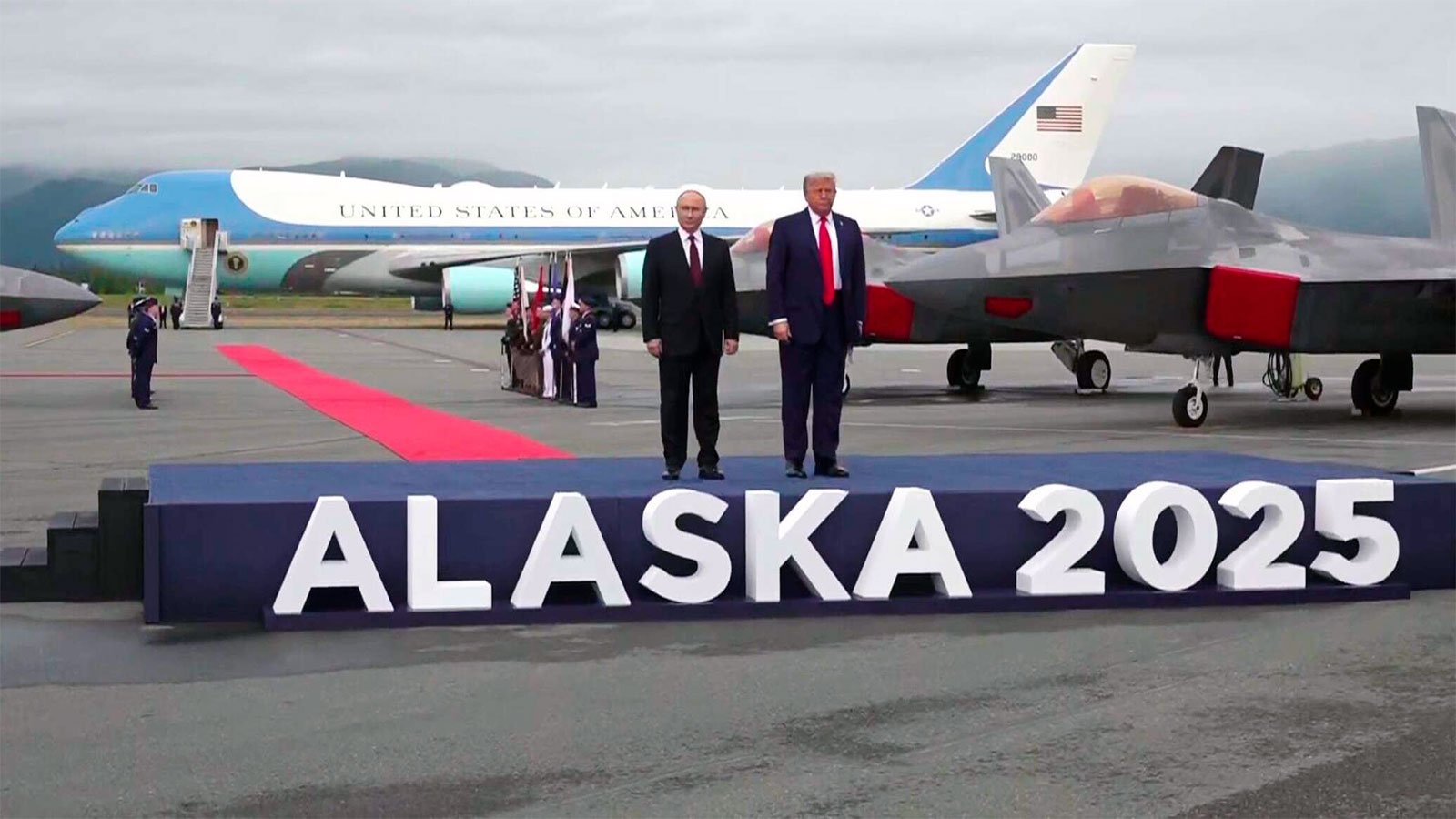
After Alaska. A New Stage in International Relations
The new US restrictions are, at first glance, more targeted. Two leading Russian energy companies and their subsidiaries have been subjected to blocking financial sanctions. While the energy sector was already under significant pressure from previous export controls, and major players had begun being blacklisted late in the Biden administration, the substantive impact of this move is limited.
However, the American move is significant as a political signal. Washington had refrained from imposing new sanctions since Donald Trump took office, even as allies like the EU and the UK continued to do so. A return to sanctions is a negative development, potentially indicating that the prospect of resolving the Ukrainian issue is receding. Officially, the US is positioning the new sanctions as an incentive for a ceasefire.
However, Russia does not make decisions under pressure. Moscow’s position is well-known: a ceasefire alone is unlikely to resolve the problem and may even exacerbate it. Any solution must be systemic and take into account Russia’s repeatedly stated demands.
Apparently, the US sanctions are ushering in a new phase. The military conflict will continue, and the parties will seek more favourable positions for negotiations that may sooner or later resume. The hawks in the Western camp have succeeded in shifting the American policy machine in their favour. The only difficulty is that Russia is unlikely to change its political course, and Ukraine will have to pay the price for the hawks’ triumph.
First published in the Valdai Discussion Club.
(votes: 3, rating: 5) |
(3 votes) |
If Russia cannot be defeated, then it is necessary to negotiate with it, even if such negotiations are unpleasant to someone or seemed impossible in the past


