
Attack on Iran: A Balance of Results
In
Login if you are already registered
(votes: 2, rating: 5) |
(2 votes) |

Ph.D. in Political Science, Director General of the Russian International Affairs Council, RIAC member
The US-Israeli military campaign against Iran has reached its first critical juncture. It can be characterised as an attempt at a crushing, disarming strike. The targets included the country’s spiritual, political, and military leadership, as well as its industrial, nuclear, and infrastructure facilities, along with Iranian weapons and equipment. Missiles and bombs also struck civilian infrastructure. Iran responded with a large-scale counterattack against Israeli and US targets in a number of countries allied with Washington. Casualties were reported among both military personnel and civilians. Shipping through the Strait of Hormuz—a vital artery for global oil transport—has been paralysed. Regional financial centres, infrastructure networks, and oil production hubs are experiencing significant disruptions. Iran now has a new political leadership, yet Tehran continues to resist. The results of the first round of the conflict suggest the following preliminary balance of gains and losses for the key participants.
The first round of the military campaign against Iran once again demonstrates the old patterns of international relations: major players are less sensitive to crises; asymmetry of potential is hardly an obstacle to resistance; a lack of allies is a problem; but being a junior partner can lead to being held hostage to a major player’s game. The most important question is how the current crisis will affect the transformation of the entire international system. Given its fragility, another shock could transform the crumbling of the international order into a full-blown collapse.
The US-Israeli military campaign against Iran has reached its first critical juncture. It can be characterised as an attempt at a crushing, disarming strike. The targets included the country’s spiritual, political, and military leadership, as well as its industrial, nuclear, and infrastructure facilities, along with Iranian weapons and equipment. Missiles and bombs also struck civilian infrastructure. Iran responded with a large-scale counterattack against Israeli and US targets in a number of countries allied with Washington. Casualties were reported among both military personnel and civilians. Shipping through the Strait of Hormuz—a vital artery for global oil transport—has been paralysed. Regional financial centres, infrastructure networks, and oil production hubs are experiencing significant disruptions. Iran now has a new political leadership, yet Tehran continues to resist. The results of the first round of the conflict suggest the following preliminary balance of gains and losses for the key participants.
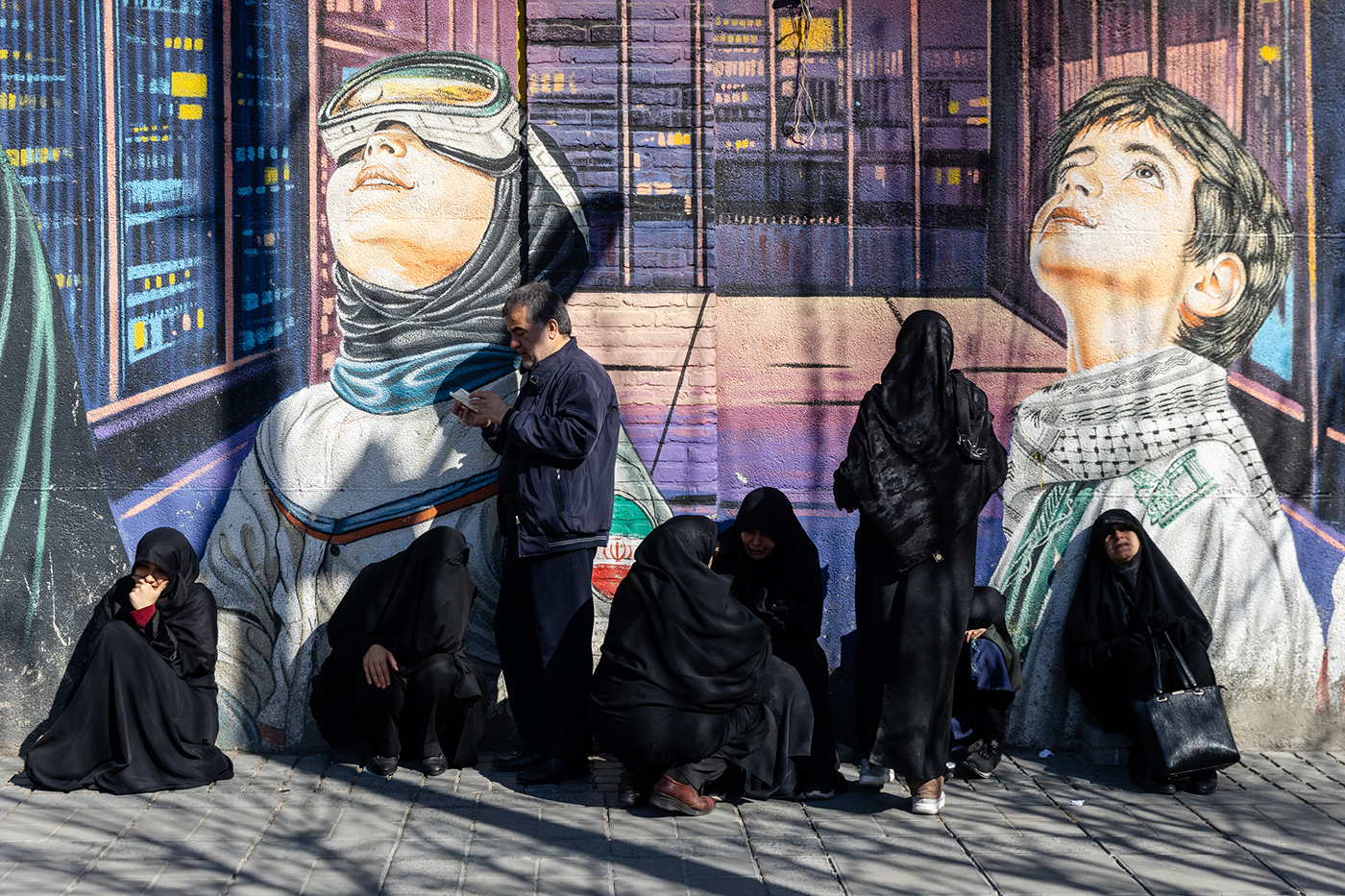
The Iranian Crisis and Russia: Seven Lessons
Israel
The country is at the forefront of the military operation against Iran. For Israel, the attack on Iran is a logical continuation of the long and irreconcilable struggle between the two countries. Israel has already achieved a number of successes, including last year’s strikes on Iranian military targets and numerous intelligence attacks against Iranian military personnel, engineers, and leaders of Iranian-backed political movements and militant groups. The public protests in Iran have provided an additional pretext for attempting to crush the Iranian political system. Israel’s diplomatic success was the involvement of the United States in the operation. The key military result was significant damage to Iran’s army, industry, and economy, the elimination of key political figures, its temporary weakening, the creation of conditions for further pressure, and an expansion of the enemy’s vulnerability, as well as psychological pressure on the new Iranian leadership through the threat of physical annihilation at any moment. Israel also managed to limit the damage from an Iranian counterattack on its territory, despite obvious losses. The problem for Israel is that Iran withstood the initial blow; the government system did not collapse. Even with its limited potential, the country will remain a threat. The memory of the war will live on for decades, consolidating anti-Israel policy. Israel will have to live in wartime for a long time to come, especially given the deteriorating relations with its neighbours.
United States
A window of opportunity has also opened for Washington to defeat its long-standing adversary. Donald Trump’s predecessors hesitated to undertake a campaign of such scale, preferring instead to pursue sanctions, diplomacy, and intelligence operations. Like Israel, the United States could chalk up significant damage to Iran’s military-industrial potential as a success. Unlike Israel, the United States is virtually invulnerable to retaliatory strikes. Military losses are minimal. The psychological demonstration has a wider target audience than just Iran. The campaign has demonstrated that the leaders of the vast majority of countries can be assassinated with political will and without any ethical hesitation.
The main challenge is what to do next. The effects of the first round of fighting are already wearing off. Iran has not collapsed. This means the US will have to either engage in a risky ground operation or “stand back and watch”. A ground operation isn’t ruled out, but it’s not yet the baseline scenario. The US could pause and launch another strike at an opportune moment. But the problem is that Iranian resistance will keep the region on edge, leading to high oil prices and problems for its allies. Therefore, a wait-and-see approach is also risky.
While the US has an extremely high margin of safety and can afford to play the long game, the Trump administration is in a more difficult position. A tenuous victory, Iranian attacks, and rising gas prices are fraught with domestic problems for the Republicans.
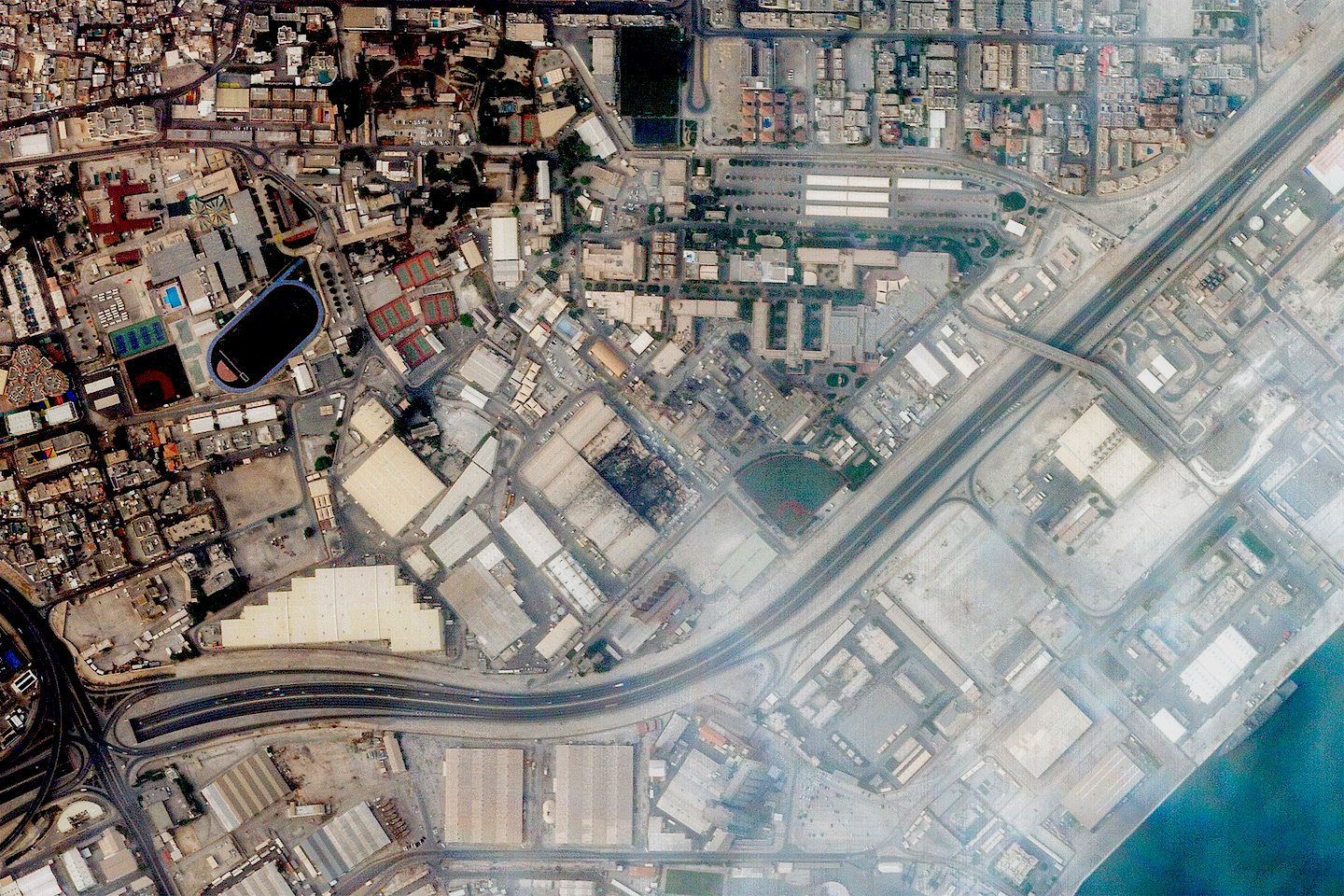
Iran War: Strategic Defeat for Israel and America
Gulf monarchies
US allies and partners in the region are currently among the losers. They are suffering damage from both disruptions in energy supplies to foreign markets and disruptions to transportation infrastructure. More importantly, military action is undermining their reputation as safe havens for economic activity. They are clearly interested in a swift end to the conflict. But their influence remains limited. To one degree or another, they have found themselves hostages of the situation.
China
China is unlikely to suffer any significant losses overall. Of course, rising oil and gas prices are not in the interests of Chinese buyers. Beijing opposes the destabilisation of international relations, as it harms its trade interests. Given the long-term nature of its future rivalry with the United States, China has an interest in preserving Iran and its political system. Moreover, China is a significant investor in Iran and a buyer of its energy resources. Despite all the economic costs, China benefits from the conflict in the short term. US resources are expended and diverted from containing China. If Washington becomes bogged down in the Iranian campaign, Beijing’s gains will increase. For Iran itself, China stands to become an even more important partner.
India
India is not critically affected by the crisis either, although it suffers economic losses from higher oil prices. A large number of Indians work in the Gulf countries. New Delhi will likely be able to maintain a stable position no matter how the situation develops. But ending the conflict is more beneficial for India than continuing it.
Russia
The results of the first round of the campaign are likely to be beneficial to Moscow. The US focus has shifted to the Middle East, and with it, so have its resources. Iran is withstanding the onslaught. Oil and gas prices have soared. Russia’s income may increase, which is important for maintaining macroeconomic stability. Energy shortages provide Russia with political leverage. The prospect of major buyers from the world majority countries refusing to import Russian oil is being postponed. US allies in the Middle East will need to replenish their arsenals and ammunition, particularly air defence systems. This could indirectly impact the availability of ammunition for Ukraine, exacerbating its situation. If US involvement in the conflict drags on, Russia’s position in the Ukraine negotiations will strengthen. Russia stands to become a more significant partner for Iran.
However, in the long term, there are more questions. The favourable timing of higher oil prices hardly negates the need to strengthen the Russian economic model. The objectives of economic diversification, finding new markets, and developing financial transaction channels with friendly countries still remain. These must be resolved as quickly as possible. Other problems will also persist, including the long-term rivalry with the West and the United States. Washington may temporarily refocus on other regions, but it will not change its overall approach to containing Moscow. Russia has the capacity to help Iran, but these capabilities also have their limitations.
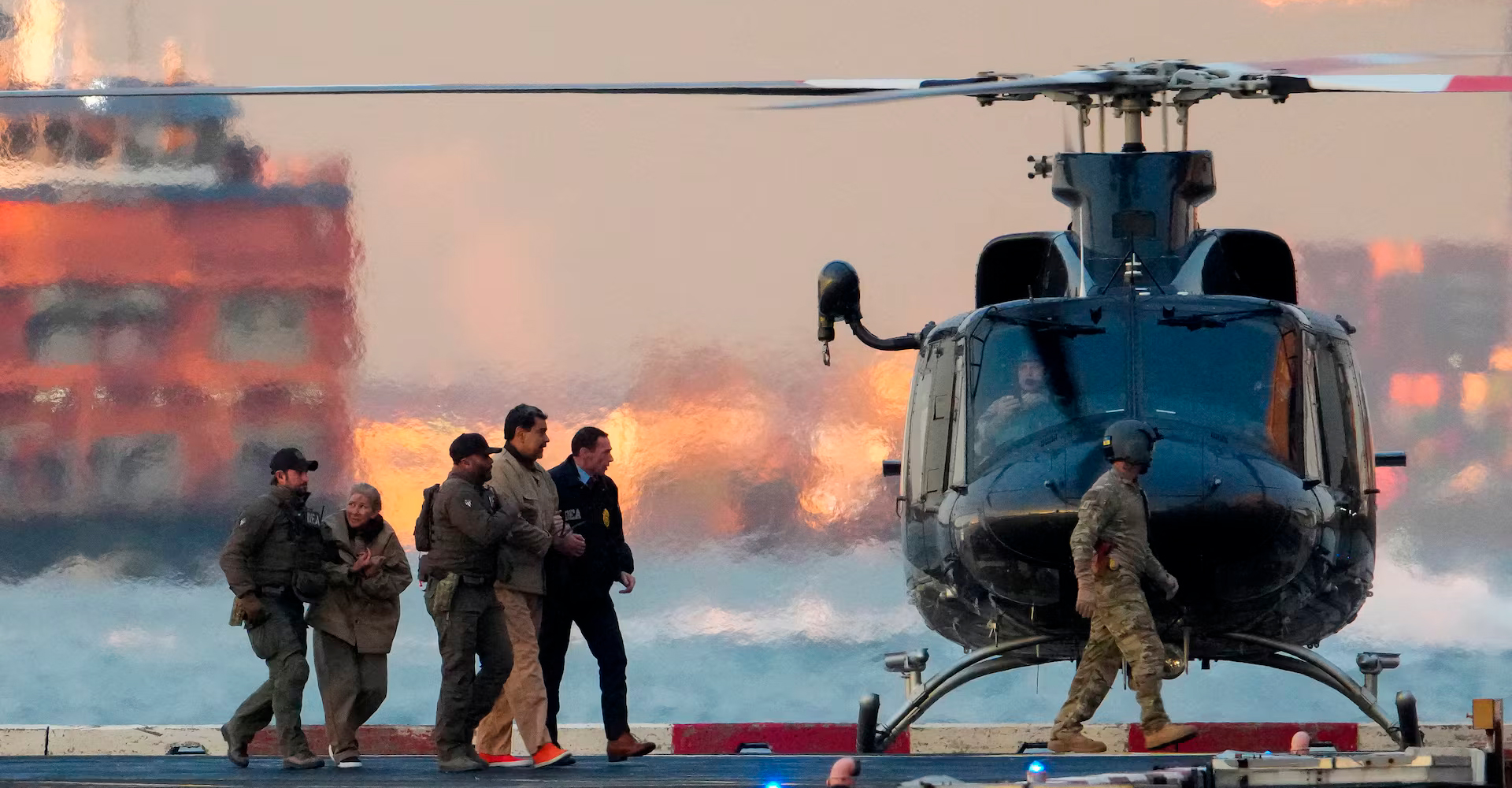
What Can We Counter Brute Force With? Three Models
Iran
The situation Iran faces is the most difficult it has witnessed since the Islamic Revolution. The model the country has built over decades for open conflict with its adversaries is being severely tested. Recovering the potential losses as a result of the attacks will take years. There is no immediate resolution of the economic problems in sight. The blockade of shipping in the Strait of Hormuz also affects Iran, as its oil supplies to consumers are limited, too. The US naval blockade is unlikely to end anytime soon, even if the intensity of the fighting subsides. Tehran is also at risk from the fact that it has entered the conflict with the US and Israel virtually alone in diplomacy. There are no binding alliance commitments from other powers to defend the country.
On the other hand, Iran has demonstrated a clear will to resist, with both its society and political system showing a capacity for consolidation in the face of external threat. Although Tehran possesses significantly weaker military and economic capabilities than its adversaries, it retains the potential to exact increasingly high costs from them. Crucially, the war is far more existential for Iran than for any other party involved.
The first round of the military campaign against Iran once again demonstrates the old patterns of international relations: major players are less sensitive to crises; asymmetry of potential is hardly an obstacle to resistance; a lack of allies is a problem; but being a junior partner can lead to being held hostage to a major player’s game. The most important question is how the current crisis will affect the transformation of the entire international system. Given its fragility, another shock could transform the crumbling of the international order into a full-blown collapse.
First published in the Valdai Discussion Club.
(votes: 2, rating: 5) |
(2 votes) |
Feigned loyalty to the United States and its leadership can prove more dangerous than open resistance
The Iranian Crisis and Russia: Seven LessonsThe situation surrounding Iran fosters a kind of fatalism among all parties—a mind-set that risks defining the geopolitical climate for years to come
Iran War: Strategic Defeat for Israel and AmericaFrom the Vietnam War to the Iraq War, history repeatedly demonstrates that technologically superior militaries can struggle to secure durable political settlements


