
The 75th Year of Bilateral Relations of Indonesia and Russia: What is Next?
In
Login if you are already registered
(votes: 4, rating: 4.75) |
(4 votes) |

Spokeperson for foreign affairs at the Presidential Communication Office (PCO) of the Republic of Indonesia
Although bilateral relations between Indonesia and Russia have only officially been commemorated for 75 years, historians note that the connection between the two countries was well-established long before that. Russian academics began exploring Indonesia in the 19th century, with studies ranging from biological to anthropological research across Indonesia.
President Sukarno's courage in initiating the Asia-Africa Conference to oppose colonialism and his active role in the Non-Aligned Movement caught the interest of Prime Minister Nikita Khrushchev. This fostered a strong relationship between the two leaders, who frequently exchanged thoughts and opinions on the conditions in their respective countries.
The good relationship between the two countries continued when, in 2003, President Megawati, the daughter of President Sukarno, made a state visit to President Putin in the Kremlin and signed the Declaration on the Basis of Friendship and Partnership Relations between Russia and Indonesia. This also included their shared understanding of the importance of United Nations reform to resolve international crises.
When hosting the G20 in 2022 under President Joko Widodo's leadership, Indonesia firmly maintained its independence by insisting on prioritizing dialogue to overcome international issues.
Fast forward to today, President Prabowo has visited Moscow at least four times in his capacity as Minister of Defense between 2019 and 2024 to strengthen defense cooperation between the two countries. With a military background, President Prabowo has a particular focus on regional and global security stability. In 2025, two senior Russian leaders have visited Indonesia and met with President Prabowo: the Secretary of the Russian Security Council, Sergei Shoigu, in February, and First Deputy Prime Minister, Denis Manturov, in April.
Indonesia does not intend to be a mere bystander amidst the rise of global geopolitical and economic uncertainties. This means Indonesia will take on a more active role, both regionally and globally, including defense diplomacy with various countries including Russia.
At the end of 2024, the navies of both countries conducted a joint military exercise. This marked a step forward in bilateral relations, following Indonesia’s earlier role in 2021 as an ASEAN member leading joint naval exercises between ASEAN member states and Russia.
The idea of joining BRICS was proposed by President Prabowo a decade ago, when he ran for president. He saw BRICS as a new global grouping that can represent developing countries, balancing the voice of developed nations. He immediately committed to the process of joining BRICS as one of his top priorities following his inauguration in October 2024. Thanks to Russia's support, this process moved very quickly, and Indonesia officially joined earlier this year.
Indonesia joins BRICS not only shows that Indonesia remains steadfast in its free and active foreign policy but also demonstrates that Indonesia is a reliable partner for all parties. The potentials among BRICS members must be realized, from cooperation in trade, investment, and funding, to the agenda for United Nations reform.
With a long historical background spanning over the last century, the friendship between Indonesia and Russia is set to grow stronger in the near future
Most Indonesians recognize Russia as a country with a long history, unique culture, and advanced technology. This ranges from the long history of the Soviet Union, ballet, classical music, to the world's first astronaut, Yuri Gagarin. Around three years ago, the phrase “Ura!”—which was often used by President Putin during his speeches—went viral across various Indonesian social media platforms.
Although bilateral relations between Indonesia and Russia have only officially been commemorated for 75 years, historians note that the connection between the two countries was well-established long before that. Russian academics began exploring Indonesia in the 19th century, with studies ranging from biological to anthropological research across Indonesia.
Miklukho-Maklai’s research, documented in “New Guinea Diaries 1871–1883”, provided Europeans with an understanding of the local Papuan culture and served as one of the counter-narratives against racism toward Black people. At the time, Papua was occupied by the Dutch in the west and by the Germans and British in the east.
At a time when Western scholars in the 1930s were still using the term Dutch East Indies, a Russian researcher, Alex Huber, dared to use the term Indonesia in his book titled “Indonesia, Socio-Economic Sketch.” This terminology became an academic phenomenon at that time, as well as a symbol of Russia's alignment against Western colonialism. This contribution continued into the early years of Indonesian independence.
From President Sukarno to Prabowo
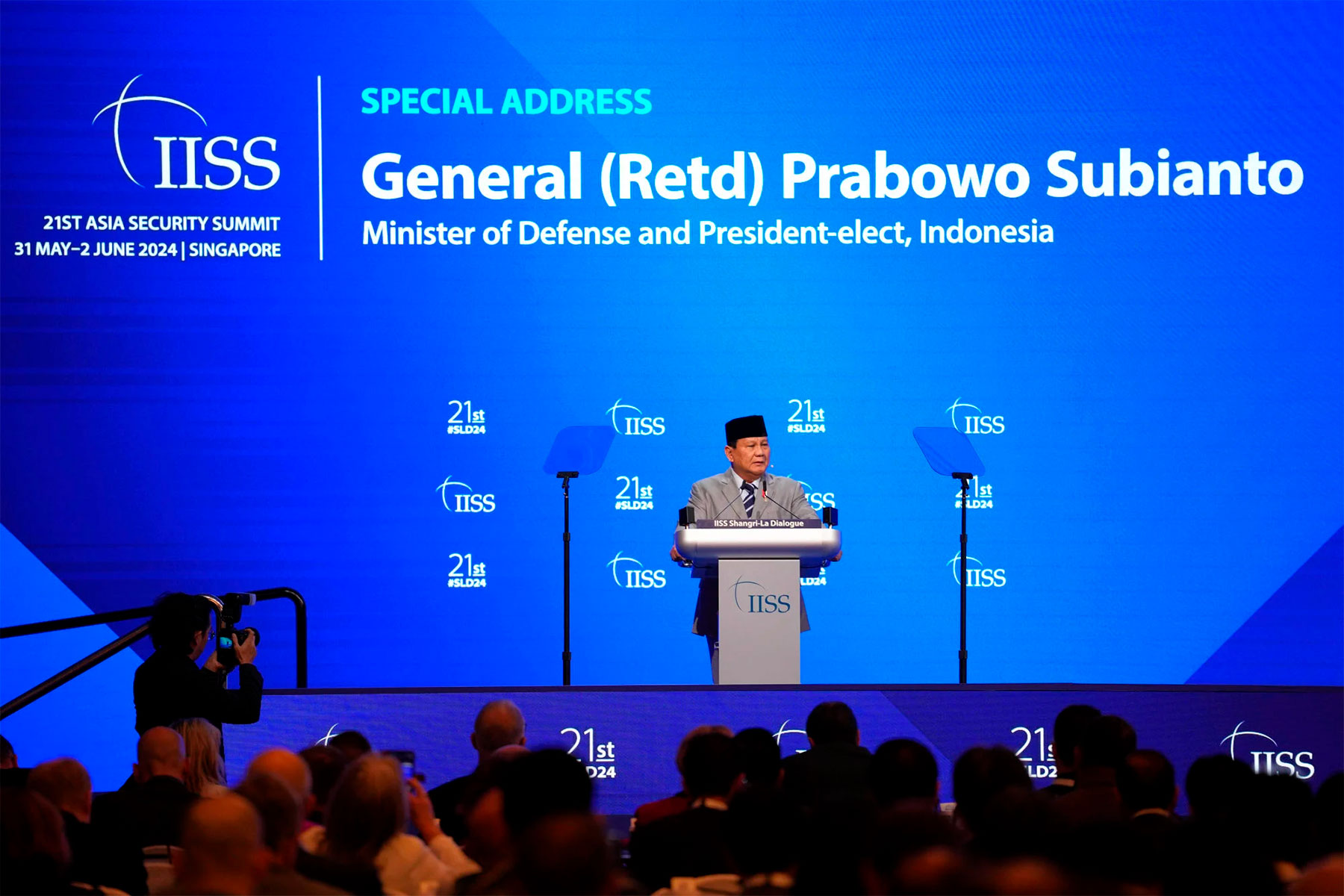
President Sukarno's courage in initiating the Asia-Africa Conference to oppose colonialism and his active role in the Non-Aligned Movement caught the interest of Prime Minister Nikita Khrushchev. This fostered a strong relationship between the two leaders, who frequently exchanged thoughts and opinions on the conditions in their respective countries.
At least two historical moments remained in the minds of Indonesians: PM Khrushchev's assistance in building the Gelora Bung Karno Stadium, and President Sukarno's visit to the tomb of Imam Bukhari, a Hadith narrator, which was still within Soviet territory at that time.
The Gelora Bung Karno Stadium became the main stadium when Indonesia first hosted the IV Asian Games in 1962, and to this day, it remains the primary stadium in Indonesia, located in the heart of Jakarta.
Russia's effort to facilitate President Sukarno's visit to Imam Bukhari's tomb also presented a positive image of Russia, not only to the Indonesian people but also to the Muslim community globally. This was further solidified by Russia's full commitment to Palestinian independence.
The good relationship between the two countries continued when, in 2003, President Megawati, the daughter of President Sukarno, made a state visit to President Putin in the Kremlin and signed the Declaration on the Basis of Friendship and Partnership Relations between Russia and Indonesia. This also included their shared understanding of the importance of United Nations reform to resolve international crises.
When hosting the G20 in 2022 under President Joko Widodo's leadership, Indonesia firmly maintained its independence by insisting on prioritizing dialogue to overcome international issues.
Fast forward to today, President Prabowo has visited Moscow at least four times in his capacity as Minister of Defense between 2019 and 2024 to strengthen defense cooperation between the two countries. With a military background, President Prabowo has a particular focus on regional and global security stability. In 2025, two senior Russian leaders have visited Indonesia and met with President Prabowo: the Secretary of the Russian Security Council, Sergei Shoigu, in February, and First Deputy Prime Minister, Denis Manturov, in April.
This does not mean that Indonesia is parting ways with the West, however. In May, President Prabowo also received visits from Australian Prime Minister Anthony Albanese and French President Emmanuel Macron.
Regional Stability and Multilateralism
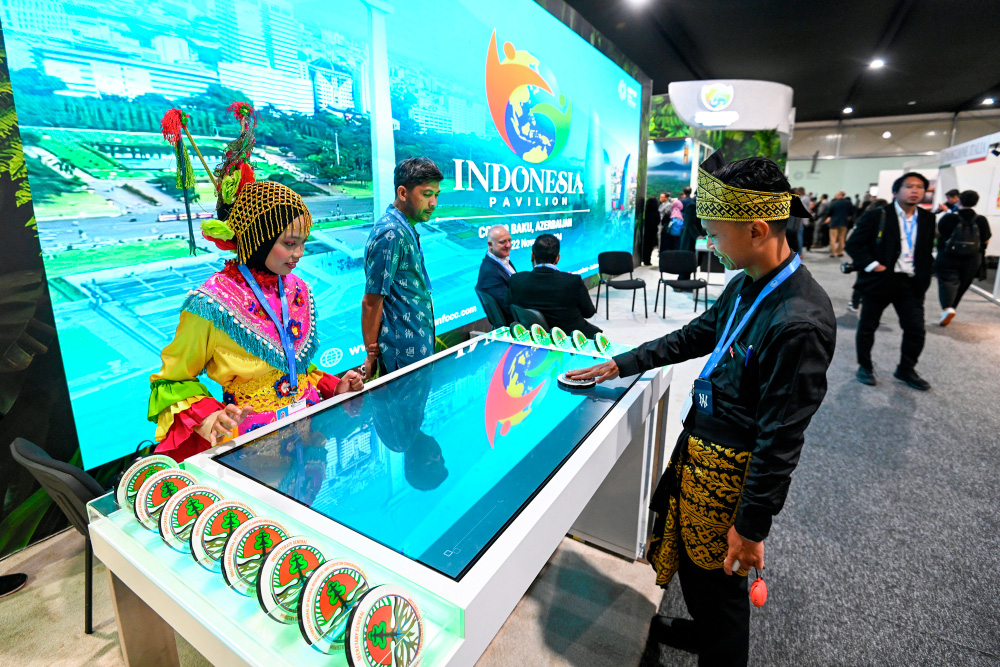
Indonesia does not intend to be a mere bystander amidst the rise of global geopolitical and economic uncertainties. This means Indonesia will take on a more active role, both regionally and globally, including defense diplomacy with various countries including Russia.
At the end of 2024, the navies of both countries conducted a joint military exercise. This marked a step forward in bilateral relations, following Indonesia’s earlier role in 2021 as an ASEAN member leading joint naval exercises between ASEAN member states and Russia.
To maintain regional stability, Indonesia has also established defense cooperation with other countries, including the United States, China, and Australia. Indonesia actively participates in the Super Garuda Shield exercise with the U.S. and is set to resume joint military exercises with China.
The existing ASEAN-led mechanisms provide space for every actor with a shared vision with the ASEAN member states to achieve regional security stability. Russia actively participates in these dialogue mechanisms, from the ASEAN-Russia Dialogue, the ASEAN Regional Forum, to the East Asia Summit. This participation is based on the Treaty of Amity and Cooperation (TAC), a code of conduct among ASEAN members and partners that promotes respect for sovereignty, refrains from intervention, and prioritizes peaceful approaches.
The idea of joining BRICS was proposed by President Prabowo a decade ago, when he ran for president. He saw BRICS as a new global grouping that can represent developing countries, balancing the voice of developed nations. He immediately committed to the process of joining BRICS as one of his top priorities following his inauguration in October 2024. Thanks to Russia's support, this process moved very quickly, and Indonesia officially joined earlier this year.
Indonesia joins BRICS not only shows that Indonesia remains steadfast in its free and active foreign policy but also demonstrates that Indonesia is a reliable partner for all parties. The potentials among BRICS members must be realized, from cooperation in trade, investment, and funding, to the agenda for United Nations reform.
Recent People to People Relation
The trend of people-to-people relations between Indonesia and Russia is also on the rise. The number of Russian tourists visiting Bali increased from 57,000 in 2022 to over 180,000 in 2024. This surge in visits has naturally led to more interaction between the two communities, fostering mutual understanding and respect. In Indonesia, we have a word: “Where the earth is stepped on, there the sky is upheld,” reflecting respect for local culture.
Interest among Indonesian students in pursuing higher education in Russia is also increasing. Recently, at least 1,000 prospective students applied for just 250 Russian scholarship slots. This includes discussions about expanding Russian literature programs in Indonesia, which currently exist in Jakarta and Bandung. Reciprocally, interest in the Indonesian language is also growing in Russia, with programs now available in Moscow, St. Petersburg, and Kazan.
Indonesia — Russia Outlook
Trade relations between Indonesia and Russia have also continued to increase over the past five years, from 1.9 billion dollars in 2020 to 3.55 billion dollars in 2024. Russian trade to Indonesia is dominated by oil, fertilizers, and chemicals, while Indonesia exports palm oil products and other plantation yields to Russia. There is still much room to enhance this cooperation to be more balanced for both countries.
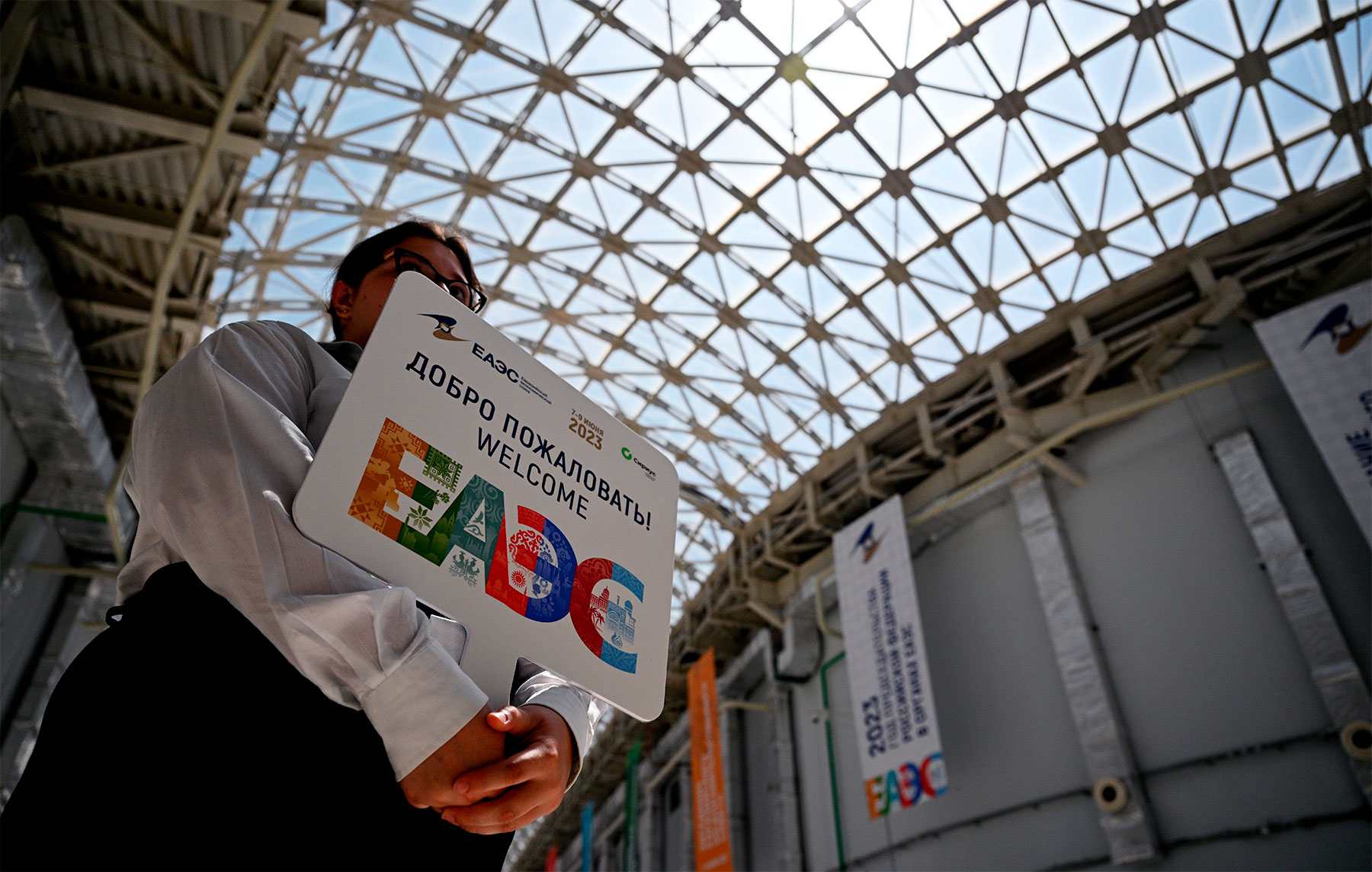
With Russia's support, Indonesia also hopes to finalize the Indonesia-Eurasian Economic Union Free Trade Agreement (I-EAEU FTA) negotiations, sending a positive signal to the global economic market from both countries, in line with Russia’s aspirations to strengthen cooperation with Indonesia in various strategic sectors, including agriculture and energy. This notion was discussed at the Indonesia–Russia Business Forum held earlier in April.
Considering the current modalities between the two countries, many believe the outlook for bilateral relations over the next few years is positive and will continue to grow stronger year by year.
First published in The Jakarta Post.
(votes: 4, rating: 4.75) |
(4 votes) |
Working Paper No. 83 / 2024
Prabowo Subianto at Shangri-La Dialogue Forum: Trilogy 2022–2024Indonesia continues to pursue an independent international policy despite Western pressure
Halal as the Staff of Life: “New” Growth Areas in Russian–Indonesian Trade TiesTrade and economic relations between Indonesia and Russia are in their honeymoon phase


