
Fill Urban Diplomacy with Practical Meaning
In
Login if you are already registered
(votes: 5, rating: 5) |
(5 votes) |

Mayor of Kazan, Chairman of the BRICS+ Association of Cities and Municipalities, on inter-municipal co-operation of BRICS+ countries
Right now the Brazilian city of Marica is hosting the General Assembly of the BRICS+ Association of Cities and Municipalities. Representatives from more than 10 countries and 30 cities, municipalities and public organisations related to various aspects of urban and municipal development are gathering in the suburbs of Rio de Janeiro. We will prepare proposals for the agenda of the upcoming BRICS summit in Brasil.
The challenges faced by the cities of the world's majority countries are particularly acute. For example, urbanisation. By 2050, according to UN estimates, more than 70% of the world's population will live in cities, which is more than 5 billion people. The rapid growth of urban population in the BRICS+ countries leads to a sharp increase in demand for housing. According to the UN, more than 30% of urban dwellers in developing countries live in slums lacking basic services such as clean water and sanitation.
BRICS+ cities often fail to keep pace with population growth in terms of infrastructure development. Underdeveloped transport systems, energy and water supplies significantly hamper economic growth. For example, in South Africa and Nigeria, congestion and frequent power cuts have become a major constraint to growth. In addition, BRICS+ cities are often located in areas of high risk to natural disasters. Coastal megacities such as Mumbai and Shanghai face the threat of sea level rise, while African cities face droughts. The UN estimates that 90 per cent of the world's major cities are vulnerable to climate disasters. They are unlikely to benefit from the often-imposed prescriptions for combating climate change, which suggest limiting economic growth and adopting environmental standards that are likely to make their economies uncompetitive. We need new solutions based on an engaged, open, and equitable dialogue.
The viability of any organisation depends on the interest of its participants in it. Our Brazilian friends, who have taken over the BRICS chairmanship, not only supported the initiatives voiced in Kazan, but also proposed to significantly expand our agenda. For example, in Marica we will discuss the inclusion of municipalities in global chains of financing infrastructure and logistics projects. The New Development Bank, which is now headed by former Brazilian President Dilma Roussef, is already financing advanced projects in BRICS cities. We expect that our proposals will be included in the programme of the upcoming BRICS summit and presented to the leaders of the countries that will gather in Rio de Janeiro in early July.
Right now the Brazilian city of Marica is hosting the General Assembly of the BRICS+ Association of Cities and Municipalities. Representatives from more than 10 countries and 30 cities, municipalities and public organisations related to various aspects of urban and municipal development are gathering in the suburbs of Rio de Janeiro. We will prepare proposals for the agenda of the upcoming BRICS summit in Brasil.
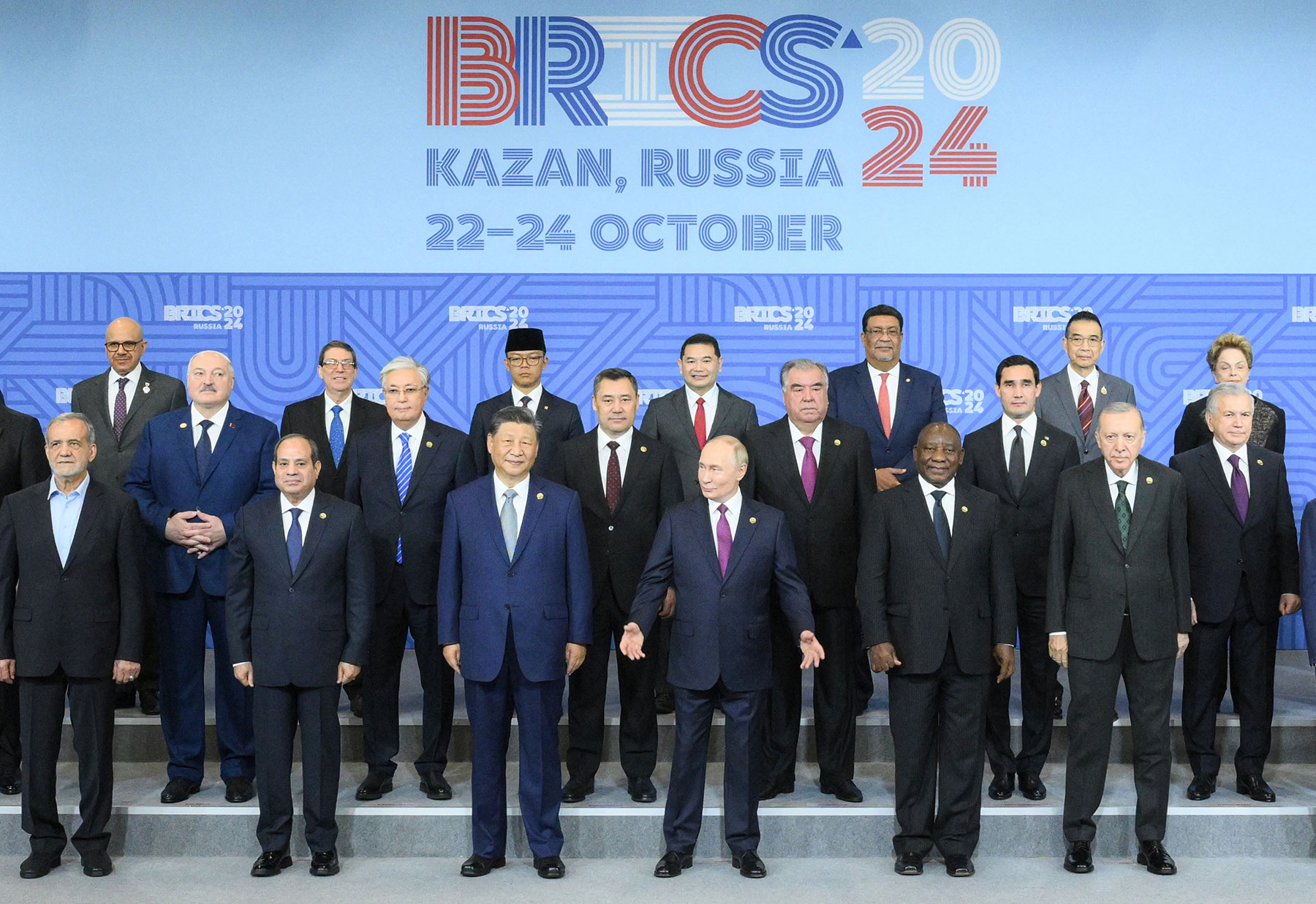
The Kazan BRICS Declaration — a New World Order Manifesto
Kazan is traditionally at the centre of international municipal cooperation. The Eurasian Regional Office of the United Cities and Local Governments has been working in the capital of Tatarstan since 2006, and in 2024 we hosted the BRICS summit. It was on the margins of this forum that we agreed to create the Association, which I had the honour to chair. Within a year, representatives of more than 20 countries have joined it. Our main goal is to give practical meaning to urban diplomacy, to help mayors, heads of municipalities, chief architects and all those involved in the creation of a comfortable urban environment to get access to the most advanced experience of urban management. To participate as equals, in the spirit of openness and co-operation, in the formulation of the global urban development agenda.
Of course, it is not participation in international forums per se that is important, but concrete results that improve the lives of citizens. At the municipal level, the results, or lack thereof, are particularly noticeable, as it is the municipal authorities that create the environment with which city dwellers come into contact on a daily basis. Cities around the world today face common challenges, the solution to which requires constant dialogue and full inclusion in the global development agenda.
At the same time, the challenges faced by the cities of the world's majority countries are particularly acute. For example, urbanisation. By 2050, according to UN estimates, more than 70% of the world's population will live in cities, which is more than 5 billion people. The rapid growth of urban population in the BRICS+ countries leads to a sharp increase in demand for housing. According to the UN, more than 30% of urban dwellers in developing countries live in slums lacking basic services such as clean water and sanitation.
BRICS+ cities often fail to keep pace with population growth in terms of infrastructure development. Underdeveloped transport systems, energy and water supplies significantly hamper economic growth. For example, in South Africa and Nigeria, congestion and frequent power cuts have become a major constraint to growth. In addition, BRICS+ cities are often located in areas of high risk to natural disasters. Coastal megacities such as Mumbai and Shanghai face the threat of sea level rise, while African cities face droughts. The UN estimates that 90 per cent of the world's major cities are vulnerable to climate disasters. They are unlikely to benefit from the often-imposed prescriptions for combating climate change, which suggest limiting economic growth and adopting environmental standards that are likely to make their economies uncompetitive. We need new solutions based on an engaged, open, and equitable dialogue.
I have no doubt that every city has accumulated years of experience in solving specific problems and has built links with experts and universities that help in this work. We will save a lot of effort, time and money if we make a mechanism of consultations on the most pressing issues of municipal governance more effective, if we can share our experience, receive practical assistance in real time, rather than formulate recipes from scratch.
Many cities have already established ties between them - somewhere twin-cities relations are several decades old, somewhere communication has only recently begun. In recent years, ties between the BRICS+ cities have been developing particularly actively, which today are in the greatest need of neutral platforms for the exchange of experience. In my opinion, this is the role that the Association of Cities and Municipalities, established during the Russian presidency and at the initiative of our country, is called upon to play.
Under the auspices of the Association, the Shared City platform is already working, where specific cases are collected to solve the most acute urban problems in the sphere of ecology, transport infrastructure, digitalisation and many others. At the Kazanish architectural and construction forum held in Kazan, which gathered more than 11,000 participants from 23 countries, sessions were held with mayors and chief architects of some of the world's largest cities. They exchanged experience, agreed to expand cooperation, and special attention was paid to projects on sustainable use of water resources. We are also actively exploring the idea of establishing the BRICS+ International Coordination Centre for Municipal Governance within the Association. It should become both a ‘rapid response team’ and a centre of expertise and best practices for solving the most pressing and common urban development problems.
The viability of any organisation depends on the interest of its participants in it. Our Brazilian friends, who have taken over the BRICS chairmanship, not only supported the initiatives voiced in Kazan, but also proposed to significantly expand our agenda. For example, in Marica we will discuss the inclusion of municipalities in global chains of financing infrastructure and logistics projects. The New Development Bank, which is now headed by former Brazilian President Dilma Roussef, is already financing advanced projects in BRICS cities. We expect that our proposals will be included in the programme of the upcoming BRICS summit and presented to the leaders of the countries that will gather in Rio de Janeiro in early July.
We are only at the beginning of our journey to create an effective mechanism for intermunicipal cooperation within BRICS+. We manage to find common ground with mayors from all over the world, primarily due to our focus on practical solutions to common and most pressing urban problems. In an increasingly urbanized world, the importance of urban diplomacy will only grow, and I would like to call on everyone - leaders, academic and expert communities, residents of our cities - to actively engage in our dialogue and together create a comfortable, sustainable and safe urban environment.
(votes: 5, rating: 5) |
(5 votes) |
BRICS intends to turn itself into one of the most articulated voices of all the Global South, which so far remains grossly underrepresented within most multilateral international institutions
Russian-Brazilian Relations: Political Context and Economic CooperationPolicy Brief # 58 / 2025


