
The Proof of the Pudding: Outcomes of the 25th SCO Summit for India and Pakistan
In
Login if you are already registered
(votes: 3, rating: 5) |
(3 votes) |

Junior Research Fellow, Center of the Indo-Pacific Region, Institute of World Economy and International Relations of the Russian Academy of Sciences
The 25th SCO summit in Tianjin stands out because it took place in the right place at the right time. The host country’s considerable weight in world affairs meant greater international attention to the multilateral meeting that brought together heads of state and government of Eurasia’s leading countries. This was further amplified by tensions in U.S.–India relations, as Washington threatened to impose additional tariffs on a range of Indian goods.
A closer look at the individual themes surrounding the 25th SCO summit helps to temper the over-enthusiastic tone that often characterizes coverage of the event. The actors involved in these processes face many pitfalls, which can be overcome only through lengthy coordination of positions in a favorable international environment.
It was the bilateral talks between Narendra Modi and Xi Jinping that captured international attention. The parties discussed the need to move beyond confrontation toward cooperation, emphasized the vast opportunities that closer partnership could bring both nations and noted that India–China ties are self-sustaining, and their dynamics should not depend on third countries. Despite the more conciliatory tone, New Delhi continues to uphold several red lines. For example, the Tianjin declaration affirms support for China’s Belt and Road Initiative (BRI) from all SCO member states except India. This stance reflects New Delhi’s protest against BRI projects in Gilgit-Baltistan, the northern part of Pakistani-administered Kashmir.
The emphatic adherence of India’s elites to matters of national security does not bode well for a rapid thaw. Even so, efforts to identify shared approaches for building mutually beneficial cooperation are evident. The Tianjin summit was only another milestone on what promises to be a long and difficult road.
The 25th SCO summit might have been a routine one for Pakistan, if not for one key moment: on the sidelines, Islamabad signed an agreement to establish diplomatic relations with Armenia. This development can justifiably be described as a “fundamental shift” in the regional architecture, which had remained static and predictable for several decades. However, one should not expect swift progress on this front either: news reports suggest that Pakistan and India have respectively blocked Armenia’s and Azerbaijan’s bids for full SCO membership.
That said, it would be wrong to downplay the success of the Tianjin summit. The prevailing sense of the historical importance of this event hardly came out of thin air—the forum's quantitative scope and qualitative depth bear this out. But it became possible only over time, as the potential of such cooperation came to be recognized. Further results will depend on the degree of interest shown by all parties and their readiness to commit significant time and resources to this process.
Stay, fleeting moment
“The world is undergoing profound historical changes that affect all spheres of political, socio-economic and social relations. There is a growing desire to create a more just, equitable and representative multipolar world order that opens up new prospects for the development of states and mutually beneficial international cooperation.” The opening paragraph of the Tianjin declaration of the Council of Heads of State of the Shanghai Cooperation Organisation breaks no new ground. SCO leaders respond to global political and economic shifts by consistently proposing initiatives aimed at conceptualizing and institutionalizing principles of interaction across Eurasian space under new conditions.

The Impact of Trump’s Tariff Policy on Food Security for BRICS States
For the expert community, none of this comes as a surprise: numerous studies have examined both the broad contours of the emerging international system and regional perceptions of ongoing global processes, including in South Asia. The question, then, is what sets the 25th SCO summit in Tianjin apart.
The answer seems to lie in how the summit took place in the right place at the right time. The host country’s considerable weight in world affairs meant greater international attention to the multilateral meeting that brought together heads of state and government of Eurasia’s leading countries. This was further amplified by tensions in U.S.–India relations, as Washington threatened to impose additional tariffs on a range of Indian goods, which were set to take effect on August 27, just ahead of the summit.
In this setting, familiar phrases suddenly took on special meaning. The long-awaited moment for advocates of alternative globalization finally arrived: the most prominent figures from the non-Western world gathered in the right place at the right time to deliberate on the outlines of a future world order. By that measure, the summit was a success.
However, if we step back from its immediate allure and examine specific themes within the gathering, it becomes evident that the Tianjin meeting brought into sharp relief long-term trends in the evolution of the SCO and the foreign policy doctrines of its individual members. Let us identify several of these trends.
He who would search for pearls, must dive below
The 25th SCO summit marks yet another transformation of the organization. Broadly speaking, three principal roles have characterized the SCO across almost 30 years of its existence: a platform for resolving border disputes, a mechanism for countering non-traditional security threats and a multilateral forum for mapping out the contours of a polycentric world order.
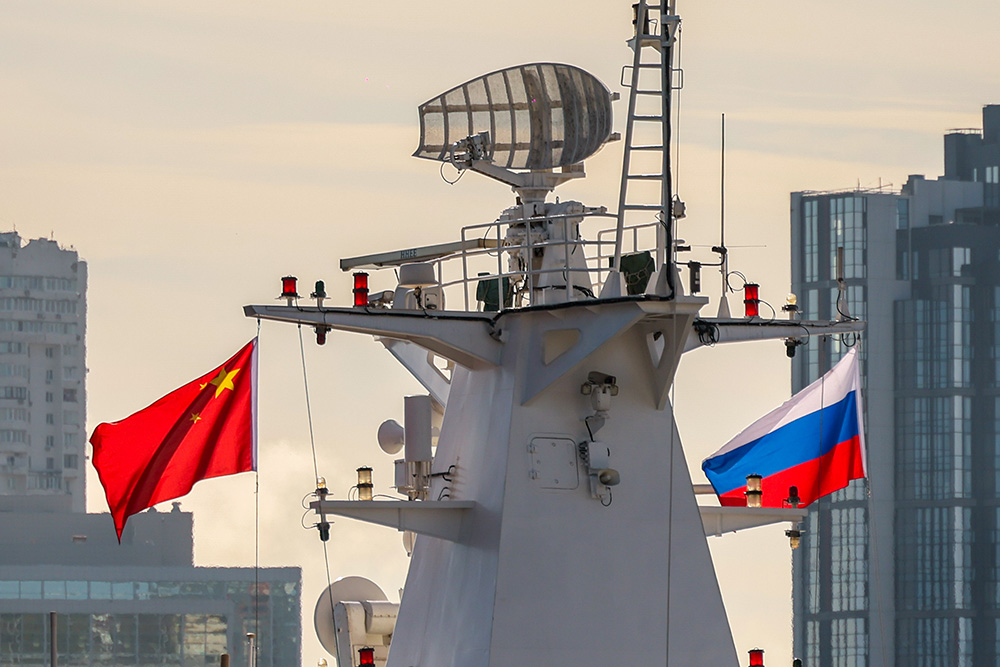
The SCO’s first function was to settle border disputes among five countries: Russia, China, Kazakhstan, Kyrgyzstan and Tajikistan. This format was first established at the 1996 summit in Shanghai and was institutionalized in 2001 with Uzbekistan’s accession, turning the Shanghai Five into the Shanghai Six. By the early 2010s, all territorial disputes with China were considered resolved, allowing SCO members to focus on other issues.
Combating the “three evils” of terrorism, extremism and separatism has emerged as the SCO’s central mission. At the heart of this effort lies the Regional Anti-Terrorist Structure, responsible for organizing counterterrorism exercises for security and law enforcement agencies. In addition, the SCO conducts joint border operations as well as antiterrorism exercises involving the armed forces of its member states. The participation of both India and Pakistan in such activities has been interpreted as an indicator of the organization’s capacity to facilitate interaction between the two countries.
In recent years, the SCO has increasingly been portrayed as a platform for constructive discussions on security—in other words, without excessive ideologization and politicization. Russia has been particularly insistent on the SCO’s central role in Eurasian security, arguing that the organization should lay the foundation for a new system of cooperation among states in line with the Shanghai Spirit, which would replace Eurocentric and Euro-Atlantic models. It seems too early to speak of a complete replacement of these two models, yet the number of participants at the recent summit and their combined weight in international affairs reaffirmed the SCO’s rising profile as a representative forum on security issues.
The SCO’s latest transformation thus aligns with Russia’s vision for the organization’s positive development trajectory. That, however, is Moscow’s perspective. To what extent does it resonate with India’s and Pakistan’s outlook on the SCO’s future, and how was the recent summit assessed in New Delhi and Islamabad?
Man errs as long as he strives
The admission of India and Pakistan to the SCO in 2017 sparked an enduring debate about whether the organization can function effectively when its members are locked in unresolved (or even irresolvable) territorial disputes. This concerns not only India–Pakistan tensions but also India–China frictions. While the agreement to keep discussions of bilateral issues off the SCO framework is still in place, moments of heightened confrontation may produce dramatic political gestures, such as a refusal to sign a joint summit declaration.
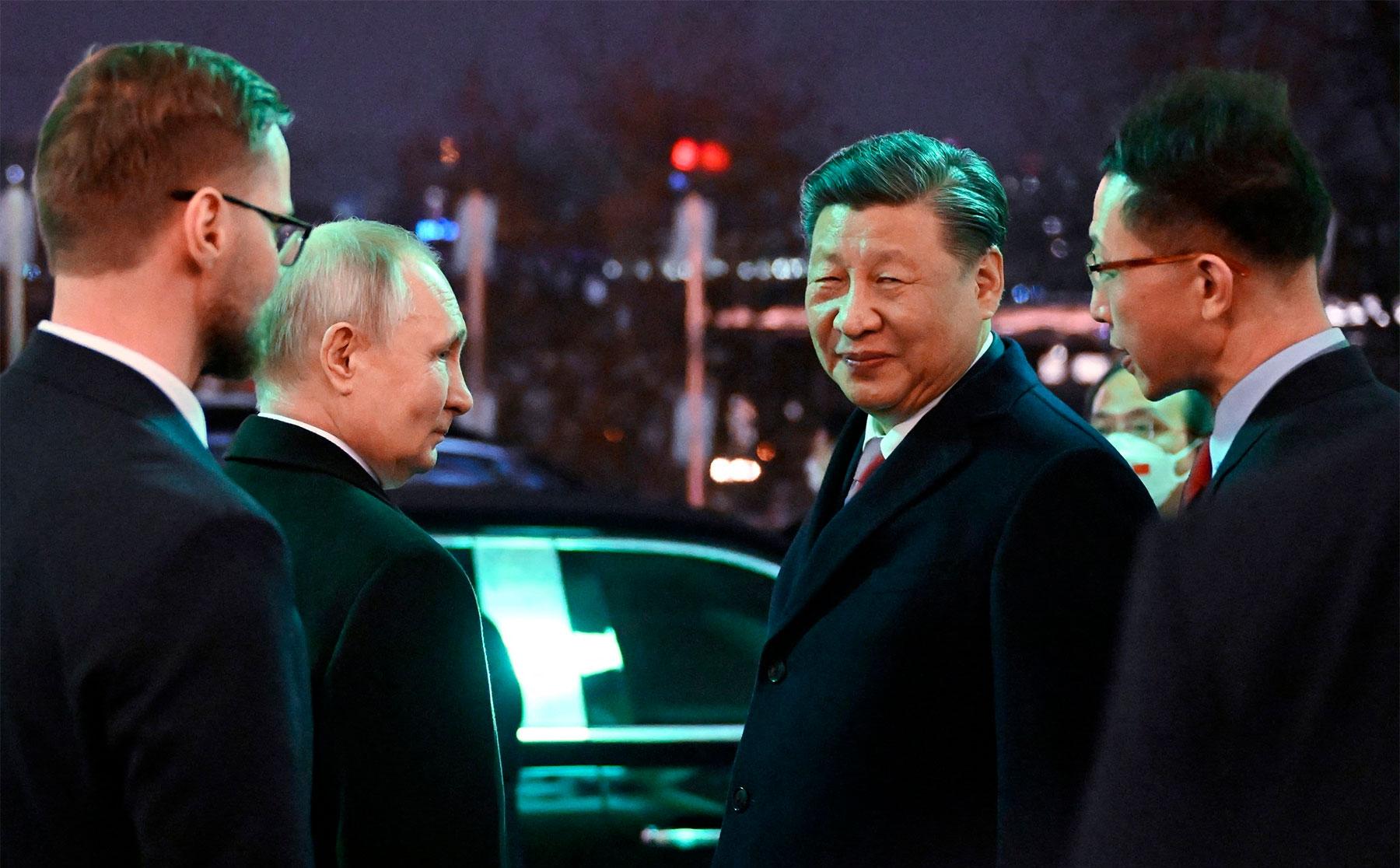
All the more notable, then, was the meeting between the Indian and Chinese leaders in Tianjin. Paradoxically, it was the bilateral talks between Narendra Modi and Xi Jinping that captured international attention. The parties discussed the need to move beyond confrontation toward cooperation, emphasized the vast opportunities that closer partnership could bring both nations and noted that India–China ties are self-sustaining, and their dynamics should not depend on third countries. Such amicable rhetoric and the ceremonious atmosphere of the meeting led some observers to far-reaching conclusions that years of Washington’s efforts to cultivate a partnership with New Delhi had been in vain.
Such conclusions, however, seem overstated. First, the United States and India have established exceptionally deep ties across nearly every sector, which cannot be undone by impulsive moves such as new tariffs or by a cordial press conference and the resumption of direct flights. Second, the first efforts to normalize India–China relations were made well before the end of this August. Discussions about a possible rapprochement date back to last fall, when the bilateral meeting on the sidelines of the BRICS summit in Kazan sent a clear sign that this process was in motion.
It seems important to note that this process is by no means guaranteed to be linear. Despite the more conciliatory tone, New Delhi continues to uphold several red lines. For example, the Tianjin declaration affirms support for China’s Belt and Road Initiative (BRI) from all SCO member states except India. This stance reflects New Delhi’s protest against BRI projects in Gilgit-Baltistan, the northern part of Pakistani-administered Kashmir.
The emphatic adherence of India’s elites to matters of national security does not bode well for a rapid thaw. Even so, efforts to identify shared approaches for building mutually beneficial cooperation are evident. The Tianjin summit was only another milestone on what promises to be a long and difficult road.
Familiarity breeds contempt
The meeting was quite successful for Pakistan as well. It would not be much of an exaggeration to suggest that attendance at every SCO summit (and full membership in the organization) is a significant achievement for Pakistan in its own right.
This assessment is rooted in Islamabad’s original motivation: Pakistan’s elites sought participation in the SCO partly as a means of reaffirming their commitment to counterterrorism. Full membership gives Pakistan the opportunity not only to offer its expertise in fighting the “three evils” to partner countries but also to respond to Indian accusations of sponsoring terrorist groups.
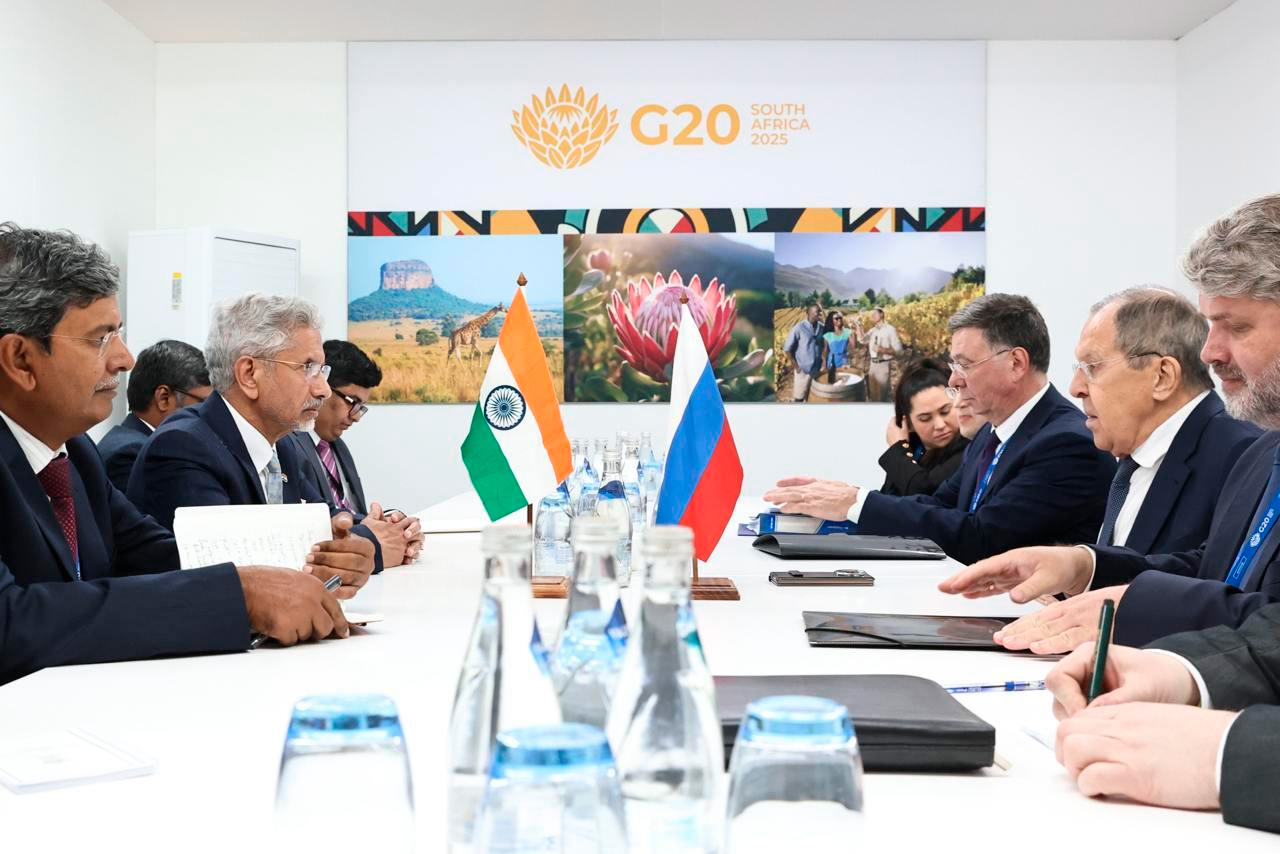
The Issue of Connectivity in India-Russia Relations — From Eurasia to the Arctic
In practice, this means that SCO summit declarations must give voice to both India and Pakistan. For example, the Tianjin declaration simultaneously condemns cross-border terrorism and the terrorist attack on 22 April in Pahalgam, a town in the Indian-administered part of Kashmir. Both points may be interpreted, among other things, as a subtle dig at Pakistan. But, to begin with, Islamabad officially condemned the attack and denied any role in it. Second, the text also refers to terrorist attacks in Pakistan’s Balochistan province. In Islamabad’s official narrative, New Delhi is involved in supporting Baloch separatists. As a result, the final wording of the Tianjin declaration leaves neither side at a disadvantage.
The 25th SCO summit might have been a routine one for Pakistan, if not for one key moment: on the sidelines, Islamabad signed an agreement to establish diplomatic relations with Armenia. This development can justifiably be described as a “fundamental shift” in the regional architecture, which had remained static and predictable for several decades. However, one should not expect swift progress on this front either: news reports suggest that Pakistan and India have respectively blocked Armenia’s and Azerbaijan’s bids for full SCO membership.
There is safety in numbers
A closer look at the individual themes surrounding the 25th SCO summit helps to temper the over-enthusiastic tone that often characterizes coverage of the event. The actors involved in these processes face many pitfalls, which can be overcome only through lengthy coordination of positions in a favorable international environment.
That said, it would be wrong to downplay the success of the Tianjin summit. The prevailing sense of the historical importance of this event hardly came out of thin air—the forum's quantitative scope and qualitative depth bear this out. But it became possible only over time, as the potential of such cooperation came to be recognized. Further results will depend on the degree of interest shown by all parties and their readiness to commit significant time and resources to this process.
(votes: 3, rating: 5) |
(3 votes) |
Multipolarity, Economic globalization, and International order
Eurasian Security as a Communicative Practice: Tasks for Russia and ChinaDeveloping a new, understandable language of “sustainable security” in Eurasia, thanks to which everyone will be able to contribute to solving and anticipating common problems in their own way, is necessary
The Issue of Connectivity in India-Russia Relations — From Eurasia to the ArcticUsing the potential of the Shanghai Cooperation Organisation could be an opportunity to maintain systemic approach to regional connectivity
The Impact of Trump’s Tariff Policy on Food Security for BRICS StatesTrump is trying to curb the new rise of the alternative BRICS globalization approach


