
Indigenous Peoples: Development for Preservation
(no votes) |
(0 votes) |
Interview
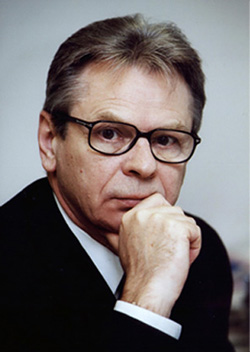
Academician Valery Tishkov, Director of Miklukho-Maklay Institute for Ethnology and Anthropology at the Russian Academy of Sciences met with RIAC to share his views on the prospects for the indigenous peoples of the North and their integration with modern society.
Interview
Academician Valery Tishkov, Director of Miklukho-Maklay Institute for Ethnology and Anthropology at the Russian Academy of Sciences met with RIAC to share his views on the prospects for the indigenous peoples of the North and their integration with modern society.
Dr. Tishkov, how do you see the future of the Arctic’s indigenous peoples? Does the protection of their natural habitat seem viable?
On the one hand, these people have been living in the region for millennia and have developed a specific modus vivendi, they have adapted to the environment genetically. They will stay on their land and, in part, preserve the traditional economy, cultural traditions and languages.
However, I believe that any strategy in this area should focus on culture-oriented modernization. In other words, these native peoples cannot and must not become a sort of unique isolated civilizational entity. They should find their niche in modern life and today’s economy, including the economic development of the Arctic, in order to improve their living conditions and to help them acquire new skills and trades.
Today, not all the Northern peoples are nomadic, and more than a half have settled in communities. Hence, it is still hard to say whether this nomadic, reindeer-breeding lifestyle will endure. No doubt, they are sure to remain irreplaceable, and the traditional economy is something more than merely a means of subsistence. Reindeer breeding, fishing, hunting sea-life and similar pursuits cannot, by themselves, sustain modern-day life, which involves snowmobiles, computers, transmitters, housing, and, in hunting, modern weapons. For native peoples, this is part of their identity, their selfhood. If they lose this, then they lose a great deal – up to and including their language. And this is why these traditional economies are supported world over.
Is the development of the Arctic a threat to indigenous peoples, and will the investment bring them any benefits?
Some say that development is inappropriate, since people have been quite happily living in harmony with nature for millennia. But this is far from being the full story, as they also suffered from epidemics, diseases, and high mortality, especially before vaccination and modern medicine emerged. There have also been environmental problems associated with resource overuse.
However, this way of life is part of the past. The 20th century saw Soviet-style modernization, based on the reservation system, with boarding schools, special literacy programs, full medical examinations, and government grants. While the extinction of the Northern peoples was prevented, due to the overall economic backwardness, there was very little progress.
This drive was followed by the intensive development of the Arctic. As the Soviet authorities rejected the Western rotating scheme of developing the North, Moscow set out to build cities and move people from other parts of the country to these areas in orderto establish a permanent presence.
These native peoples cannot and must not become a sort of unique isolated civilizational entity. They should find their niche in modern life and today’s economy, including the economic development of the Arctic, in order to improve their living conditions and to help them acquire new skills and trades.
At the same time, the Soviet approach to Northern development involved a barbaric approach to the environment and inefficient economy based on creating permanent populations, which had a disastrous effect on the fragile culture of the Northern peoples.
The 20 years since the collapse of the USSR were a period of self-awareness and self-organization for the Arctic peoples. They integrated into the international context, joined international organizations and movements, and established their own association. The Arctic peoples have also formulated and advanced a number of federal and regional laws in order to safeguard their interests.
The private sector (especially Russian and foreign oil and gas companies) is quite active in the Arctic today, and has also become more responsible, adopting the relevant international standards.
At the same time, there is remains a great deal to be done because there is still no stable system to serve local peoples’ interests, and many believe that a small-size payback in the form subsidies will suffice. If this model remains unchanged, Northern peoples can expect little other than continued social degradation.
They need to be engaged in production schemes and encouraged to make full use of both traditional and new skills.
What steps are being taken by the international community to preserve these indigenous peoples? And what is Russia’s role in international cooperation in this area?
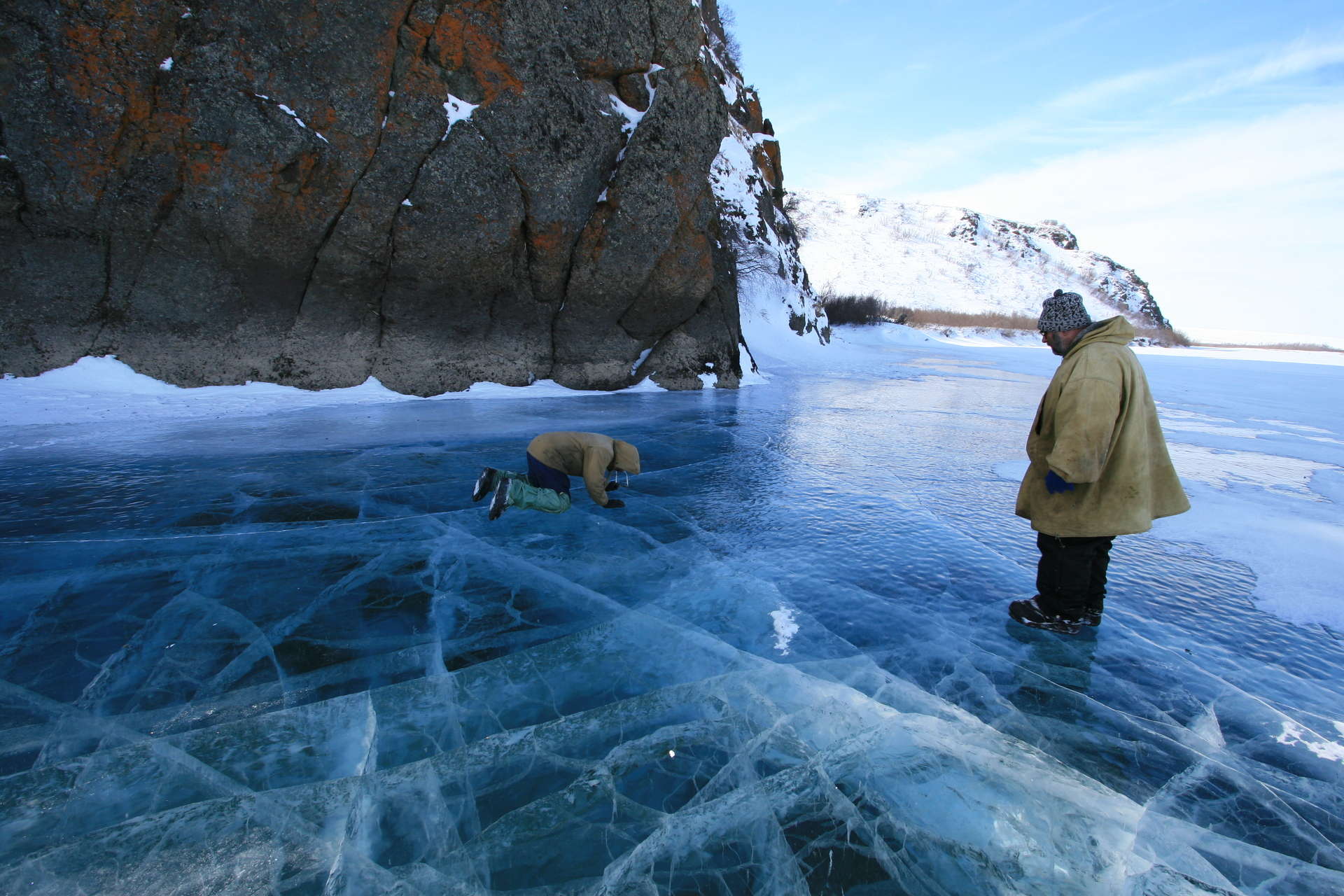
Searching for a place to fish
There are various international declarations in place, such as the UN Declaration on the Rights of Indigenous Peoples, which covers not only the Arctic, but all regions of the world.
The World Bank has issued a set of directives for corporations, primarily resource-sector companies, obliging them to take the particular local environment and population into consideration.
Then there are also international organizations of the Arctic peoples, such as the International Circumpolar Conference, which brings together all Arctic peoples.
We sometimes come across people, enthusiasts, who have romantic ideals of preserving unique Arctic civilizations in their entirety, who want to make sure that nothing changes and pay scant attention to development.
At the same time, most people living in the Arctic would like be equal members of larger societies, live in big cities and get higher education. In some cases, the international community lets itself be led by romantic myths and blindly stands for retaining Northern traditions.
For instance, some scholars back preserving a language for the sake of it, while many Northerners retain their identity while also adopting the Russian language, which offers them more opportunities.
This issue has yet to be resolved, the solution could well lie in bilingualism.
Is the migration of the younger generations of Northern peoples to the cities really a problem? How do they change their self-perception once outside their home environment? And do they make their way in the new surroundings?

Deer Hair Embroidery
Migration to cities from settlements is a trend that emerged sometime in the early 20th century, and not just in Russia but in other countries as well. In the North, Siberia, and the Far East there are about 40 different indigenous peoples with total population of about 250,000. More than a half of them live in cities. The process is irreversible, just like urbanization in Russia and the rest of the world.
There are also those who favor a mixed existence, i.e. those who choose to stay in their settlements some of the time and herd their reindeer in the tundra or fish or hunt animals for food and fur.
Migration brings demographic problems, as women move more than men generating a gender imbalance. Girls seem to be more adroit in getting higher education and jobs. In any case, it is the young men who are engaged in reindeer breeding and hunting, so they find it more difficult to obtain an education. “Nomadic schools” were established to tackle this issue, with teachers staying in tents with families, travelling with them, to educate their kids.
Small aircraft are the only means of connecting rural settlements, communities and sometimes traveling families with settlements. It is the development of transportation and infrastructure that could stop the outflow of people from the Arctic.
Resettling to the cities also exposes them to social risks such as alcohol and drugs that affect native peoples all over the world more than others due to their genetic susceptibility.
Hence, people from the North who choose to settle in the city should be offered targeted assistance, such as special privileges and subsidies.
Interviewers: Nikolay Markotkin and Daria Khaspekova, RIAC Program Coordinators
(no votes) |
(0 votes) |


