 Analytical articles
Military AI and the Limits of International Regulation
ShortWashington’s position on Ukraine remains ambivalent while losses mount and an energy crisis
ShortThe example shows the room for manoeuvre enjoyed by the US executive branch and its ability, where the political will exists, to ease restrictions even when they are unprecedentedly harsh
ShortWashington’s persistent aggressiveness against Iran amid the stalemate of Trump’s diplomatic mediation on Ukraine have already brought Moscow and Tehran substantially closer to each other
ShortPoliticizing science costs more than a pragmatic division of labor between rival sides
ShortThe rapid retreat of the Caspian Sea and the resulting advance of the shoreline have now become a serious threat to ports and marine facilities in all five littoral states—Iran, Azerbaijan, Turkmenistan, Kazakhstan, and Russia
ShortHow can legitimate medical or biodefence research be distinguished from activities that already lay the groundwork for developing a dangerous agent but still exist only in digital form?
ShortFrom Europe to East Asia, US allies face a hard question: how far would Washington go to defend them? NATO’s Article 5 offers a revealing place to start
ShortIn many scientific fields and in the development of new technologies, including hardware and software, advanced AI models have become an indispensable tool for increasing productivity
ShortAlong with a host of other laws, it will loom over any future administration
ShortBRICS members differ sharply in power, politics and interests. Their ability to manage those divisions may be the secret of the group’s global influence
ShortThe key takeaway for Russia is that even in a friendly jurisdiction, large businesses may well continue to comply with the requirements of the American sanctions regime, regardless of the fact that their own government has not formally joined those sanctions
Short
Vladimir Orlov, Leonid Tsukanov

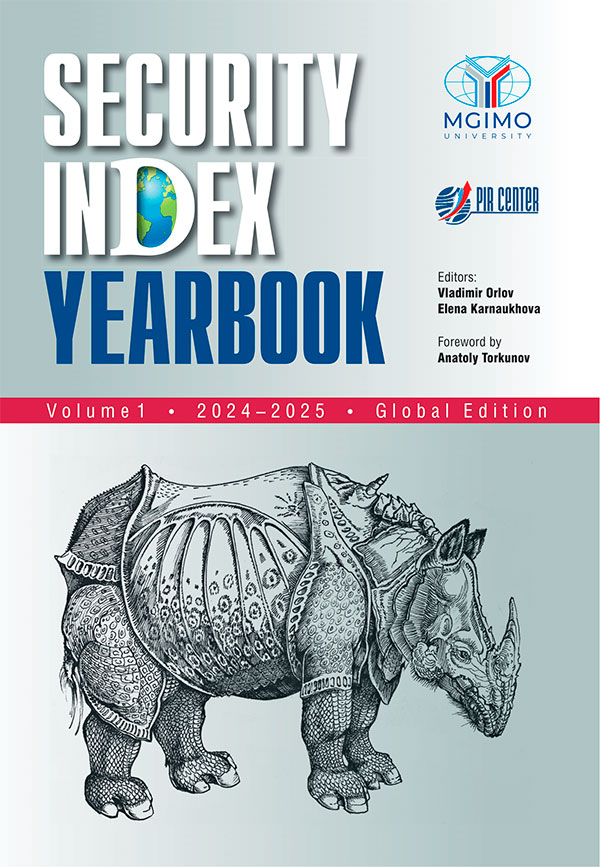
Vladimir Orlov, Elena Karnauhova